
beauty bush
Also known as: Information to be completed
K. amabilis is a deciduous, arching, suckering, dense shrub, to 3m tall, with flaking bark and oval leaves up to 7cm long. A profusion of bell-shaped, soft pink to white, flowers with yellow throats is borne from late spring to early summer. The flower calyces and stalks are conspicuously hairy
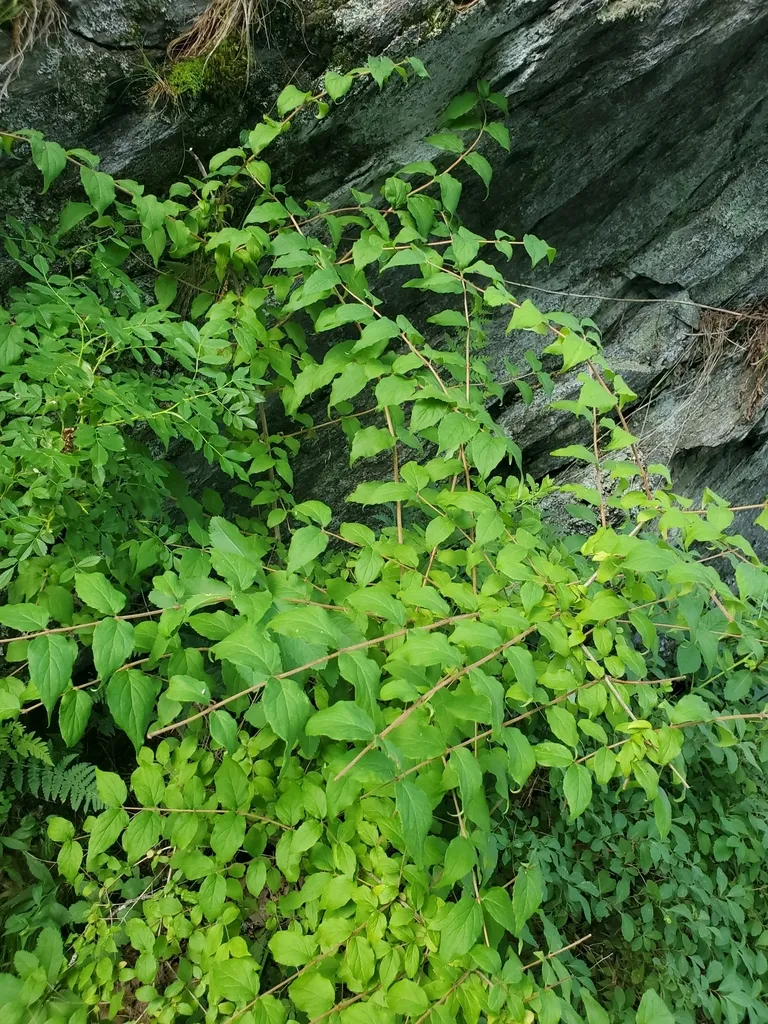
Scientific classification
- Species
- beauty bush (Kolkwitzia amabilis)
- Genus
- Kolkwitzia
- Family
- Caprifoliaceae
- Order
- Dipsacales
- Class
- Magnoliopsida
- Phylum
- Magnoliophyta
- Information to be completed
- Toxicity
- Shrubs
- Plant type
- 2.5-4 metres
- Height
- 2.5-4 metres
- Spread
- Deciduous
- Foliage
- Bushy
- Habit
- Spring · Summer · Autumn
- Season of interest
- Full sun · Partial shade
- Sunlight
- Information to be completed
- Ideal temperature









beauty bush pictures
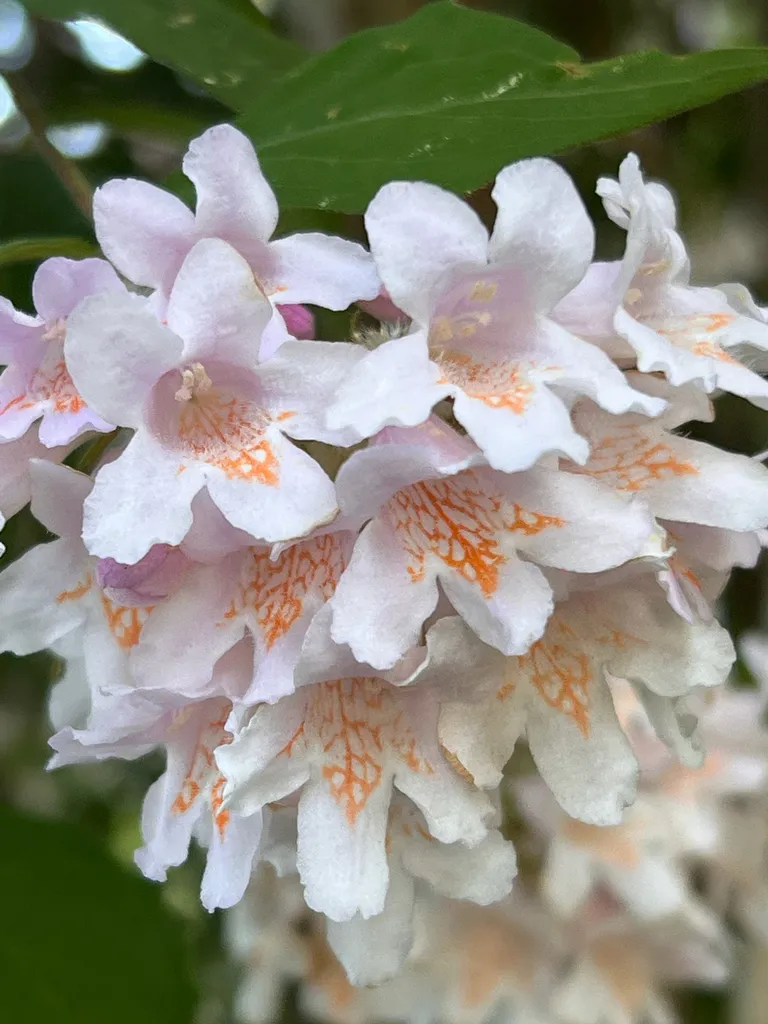
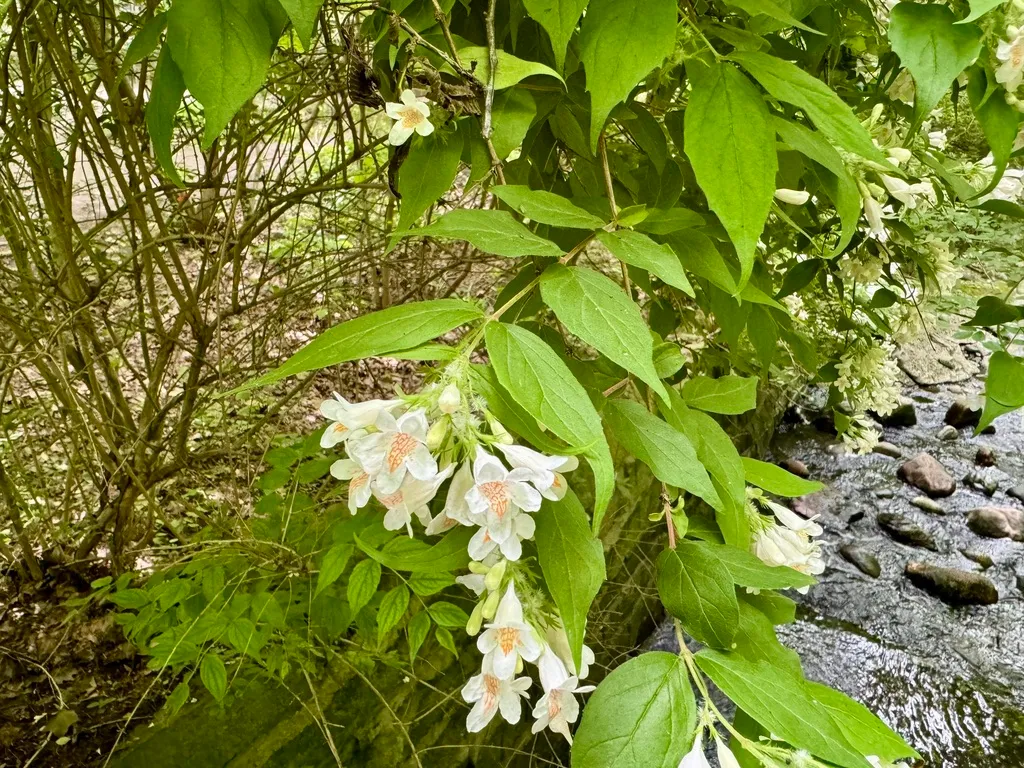
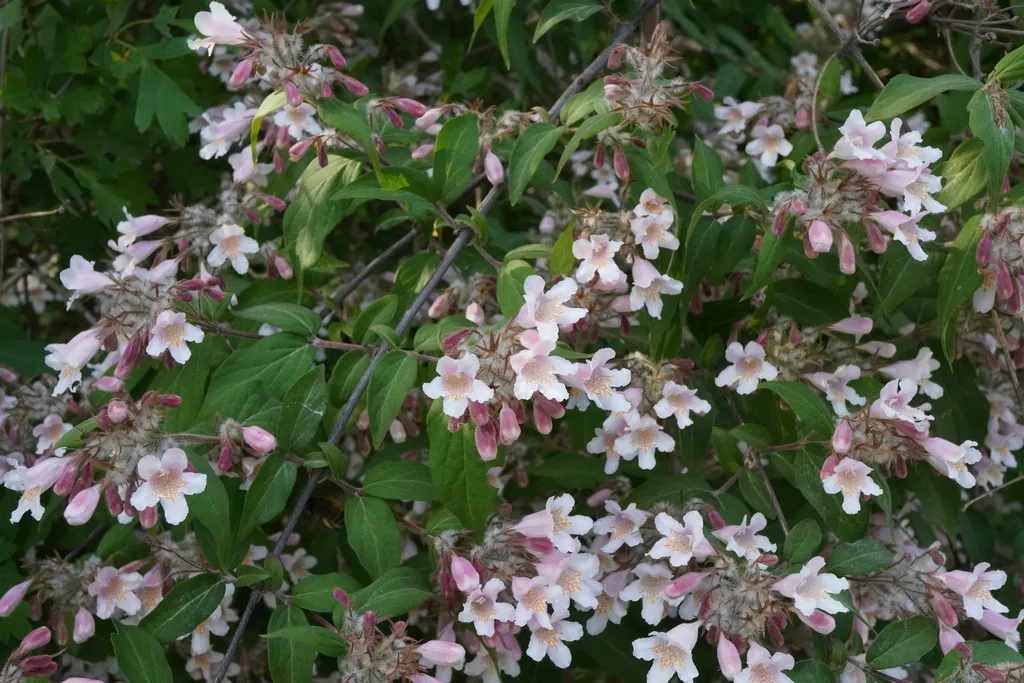
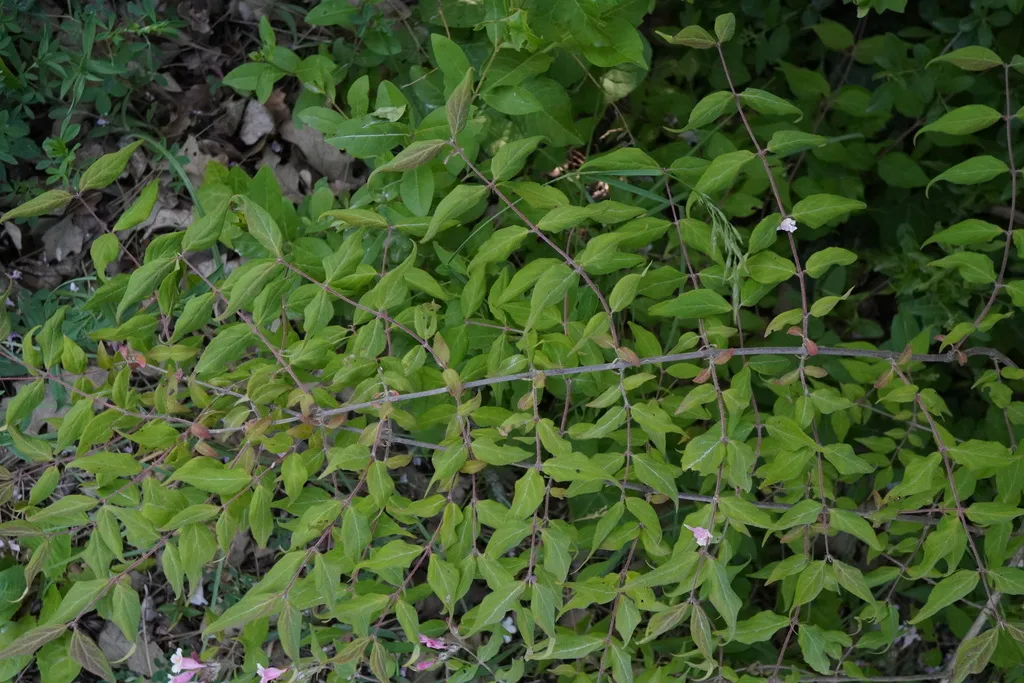
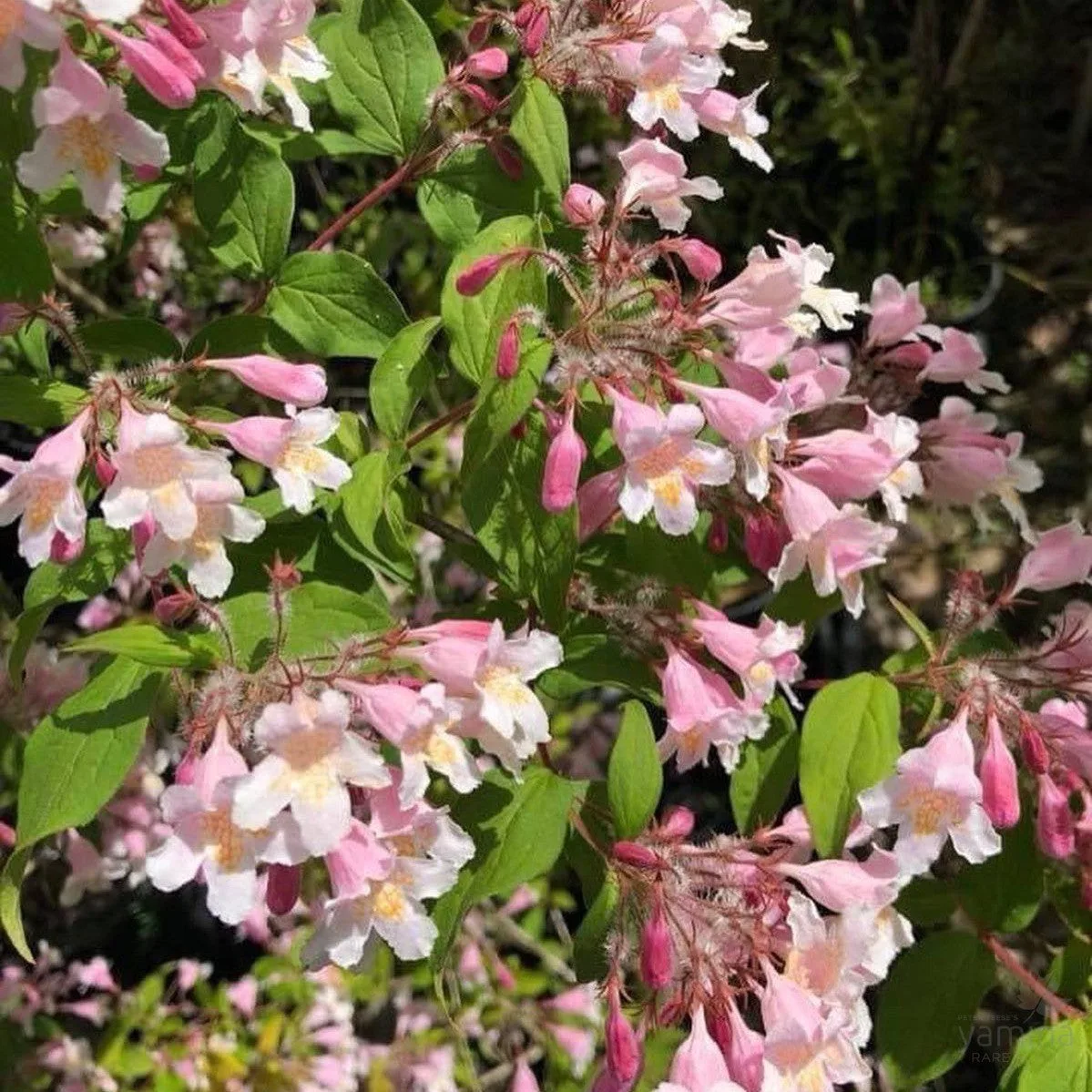
Distribution of beauty bush
Distribution map
- Native
- Introduced
- Cultivated
Source:WCVP v16 · Royal Botanic Gardens, Kew · CC BY 3.0 · Boundaries:WGSRPD / TDWG
beauty bush care guide
- Moderate regular watering, allowing brief slight drying between soakings
- Watering
- Full sun · Partial shade
- Sunlight

Watering
Moderate regular watering, allowing brief slight drying between soakings
Fertilizing
 Fertilizing
Balanced perennial feed every four weeks from spring through summer
Pruning
 Pruning
Cut flowered growth back to strong young shoots below, removing up to a fifth of old stems near the base each year. Prune immediately after flowering.
Propagation
 Propagation
Propagate by semi-hardwood cuttings or from suckers
Growing
 Growing
Grows best in any well-drained soil in full sun
Common pests and diseases
Diseases
May be susceptible to honey fungus in gardens where it is present but insufficient data to determine degree of susceptibility
Pests
Generally pest-free
Explore the plant health library →




