
honesty
Also known as: annual honesty; bolbonac; Chinese money; common honesty; grandpa's specs; Judas's penny; matrimony; money; money flower; money in both pockets; moon seed; moonwort; penny bark; penny flower; Peter's pence; Pope's money; prick-song flower; satin leaves; satin pod; silver leaf; silver plate; St Peter's pence; white satin; moneywort; satin flower; silver dollar
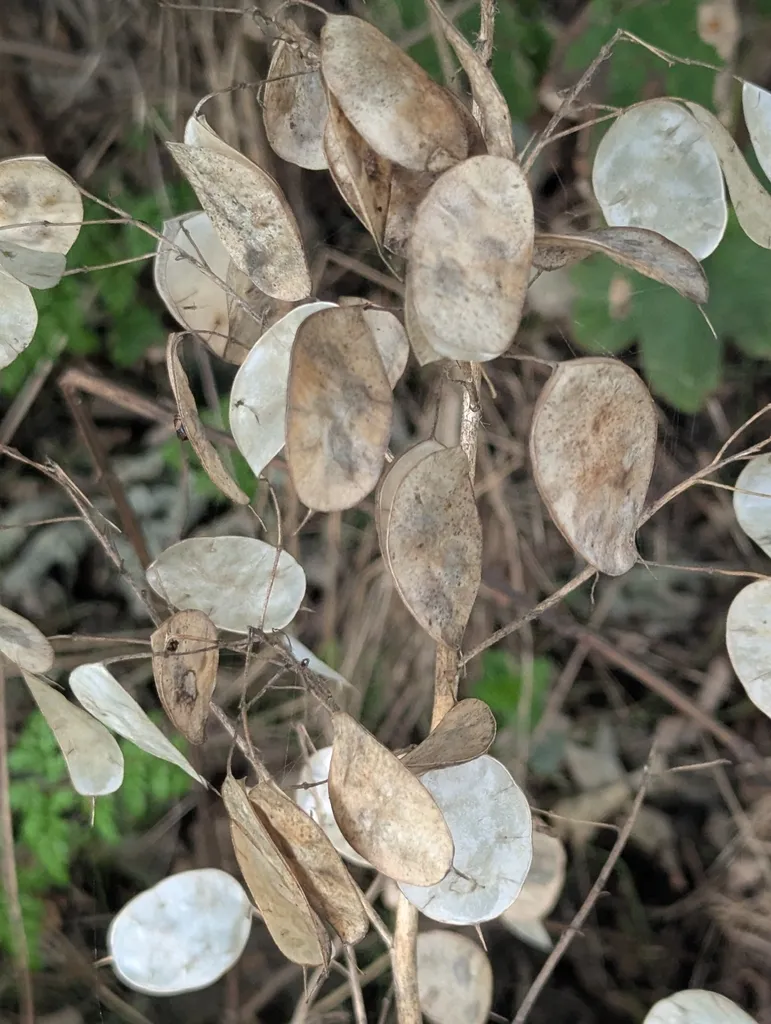
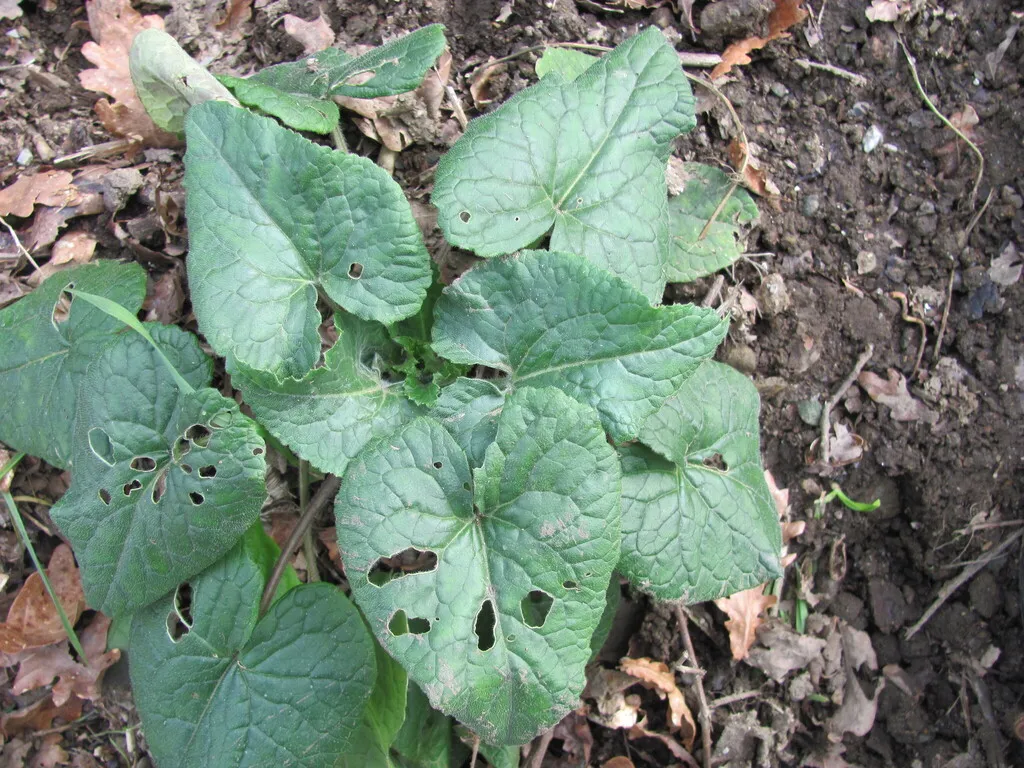
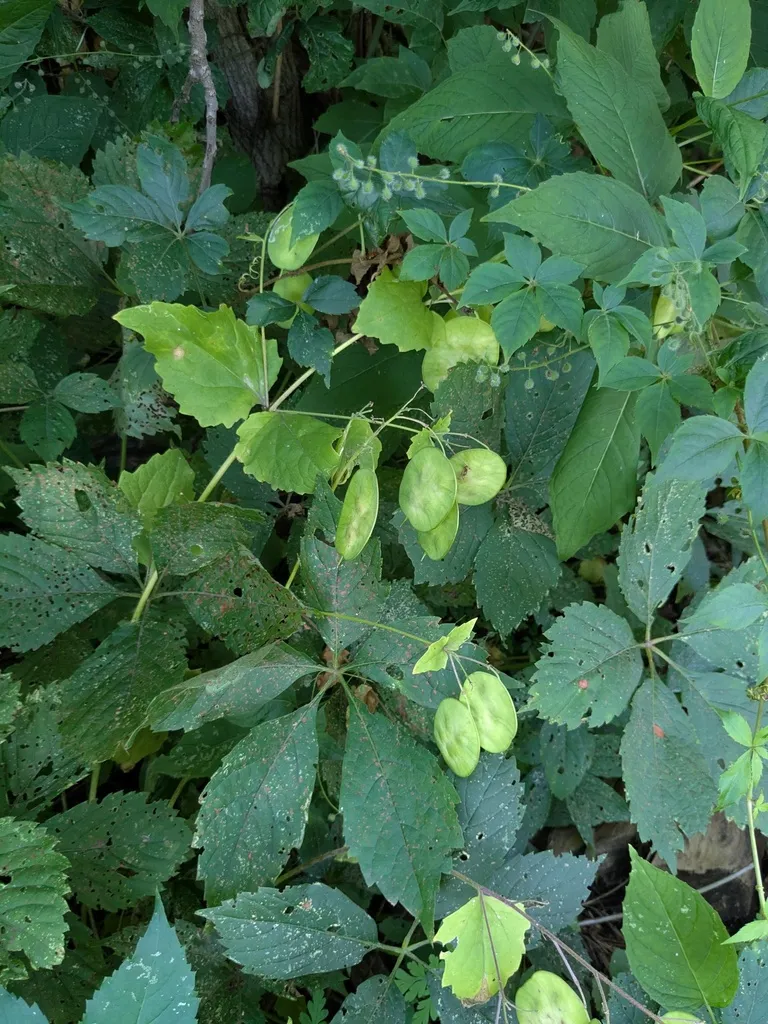
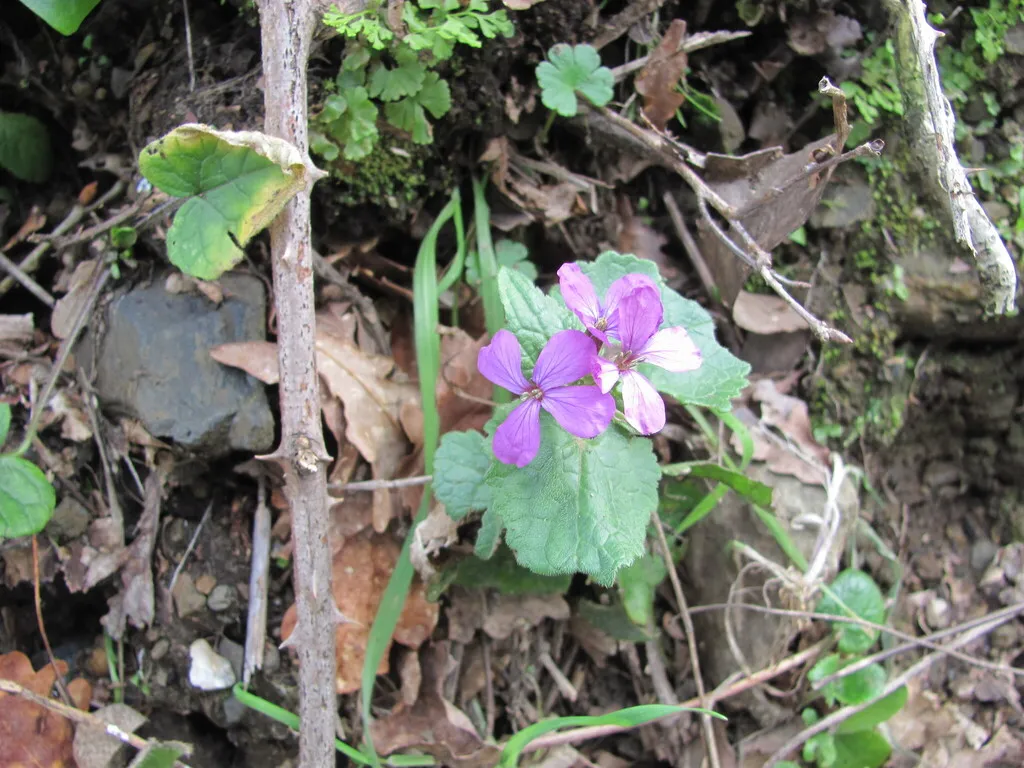
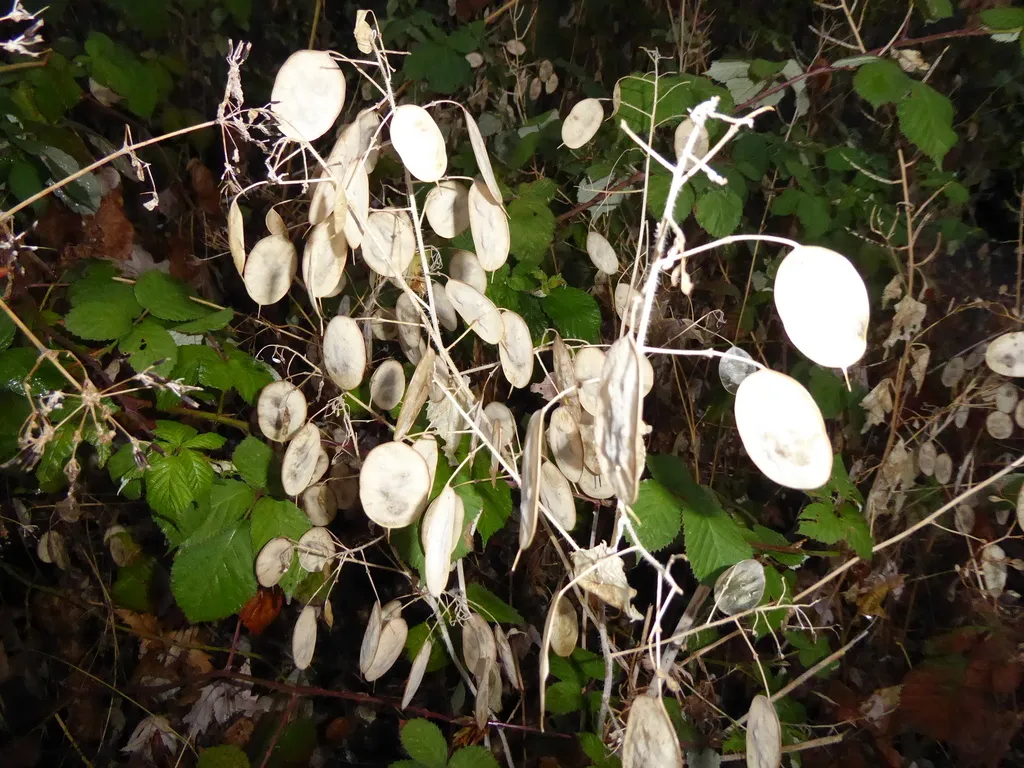
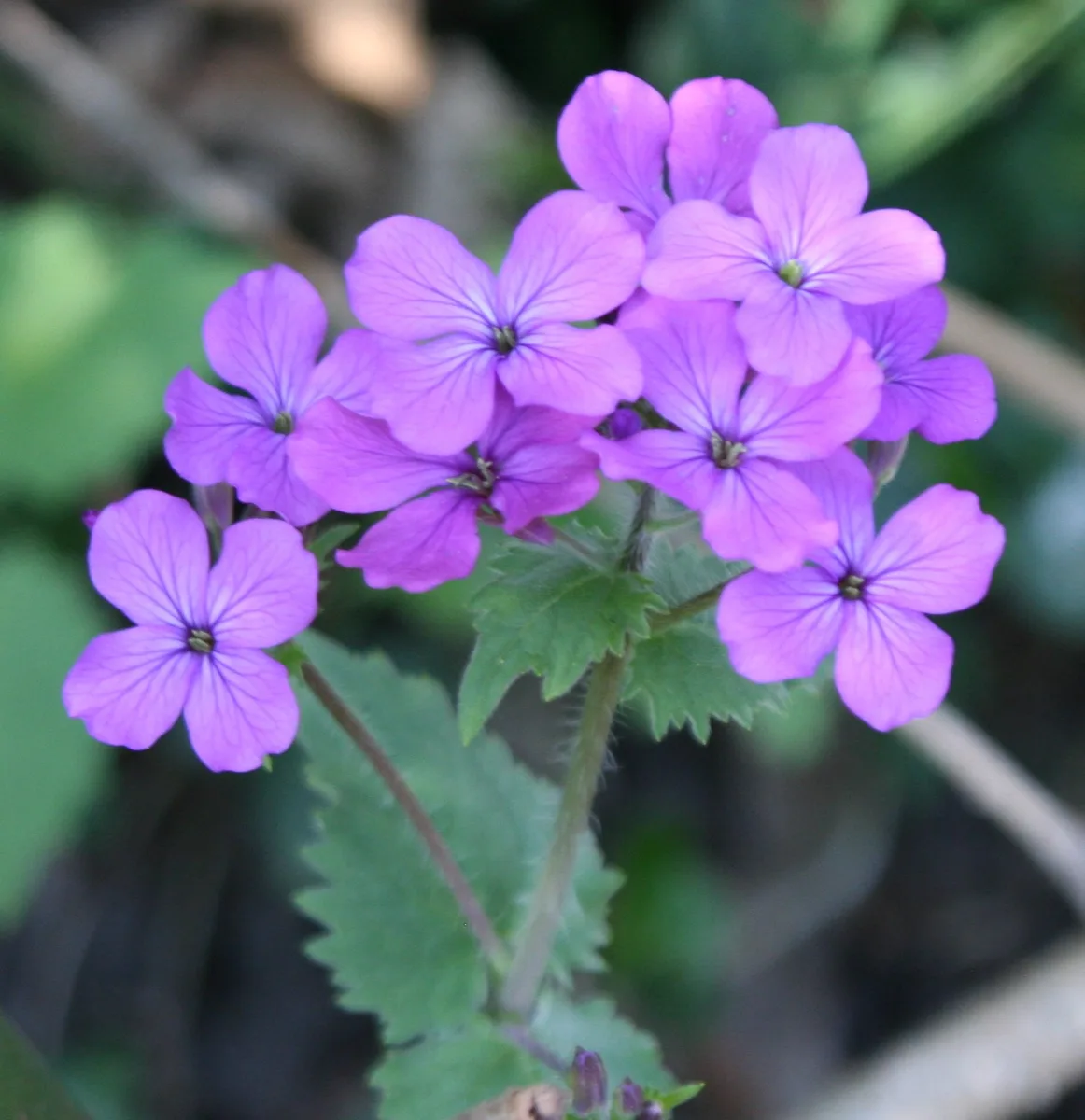
L. annua is a hardy annual or biennial, with toothed, heart-shaped leaves, and large, open clusters of purple flowers in late spring and early summer, followed by flat, round, silvery seed pods
Scientific classification
- Species
- honesty (Lunaria annua)
- Genus
- Lunaria
- Family
- Brassicaceae
- Order
- Brassicales
- Class
- Magnoliopsida
- Phylum
- Magnoliophyta
- Information to be completed
- Toxicity
- Annual Biennial
- Plant type
- 0.5-1 metres
- Height
- 0.1-0.5 metres
- Spread
- Deciduous
- Foliage
- Bushy
- Habit
- Spring · Summer · Autumn
- Season of interest
- Full sun · Partial shade
- Sunlight
- Information to be completed
- Ideal temperature









honesty pictures
Distribution of honesty
Distribution map
- Native
- Introduced
- Cultivated
Source:WCVP v16 · Royal Botanic Gardens, Kew · CC BY 3.0 · Boundaries:WGSRPD / TDWG
honesty care guide
- Moderate regular watering, avoid prolonged drought or waterlogging
- Watering
- Full sun · Partial shade
- Sunlight

Watering
Moderate regular watering, avoid prolonged drought or waterlogging
Fertilizing
 Fertilizing
Balanced feed in spring and light repeat in growth season
Pruning
 Pruning
Translucent seedheads are useful for dried flower arrangements; self-seeds readily, leave in situ if self-seeding is desirable, cut back after flowering if seeds are not required
Propagation
 Propagation
Propagate by seed sown in-situ in early summer
Growing
 Growing
Grow in fertile, moist but well-drained soil in full sun or partial shade; valuable for wildlife gardens
Common pests and diseases
Diseases
May be affected by club root and white blister
Pests
Generally pest-free
Explore the plant health library →




