
rose periwinkle
Also known as: cayenne jasmine; Madagascar periwinkle; old maid; Cape periwinkle; East Indian periwinkle; rosy-flowered Indian periwinkle
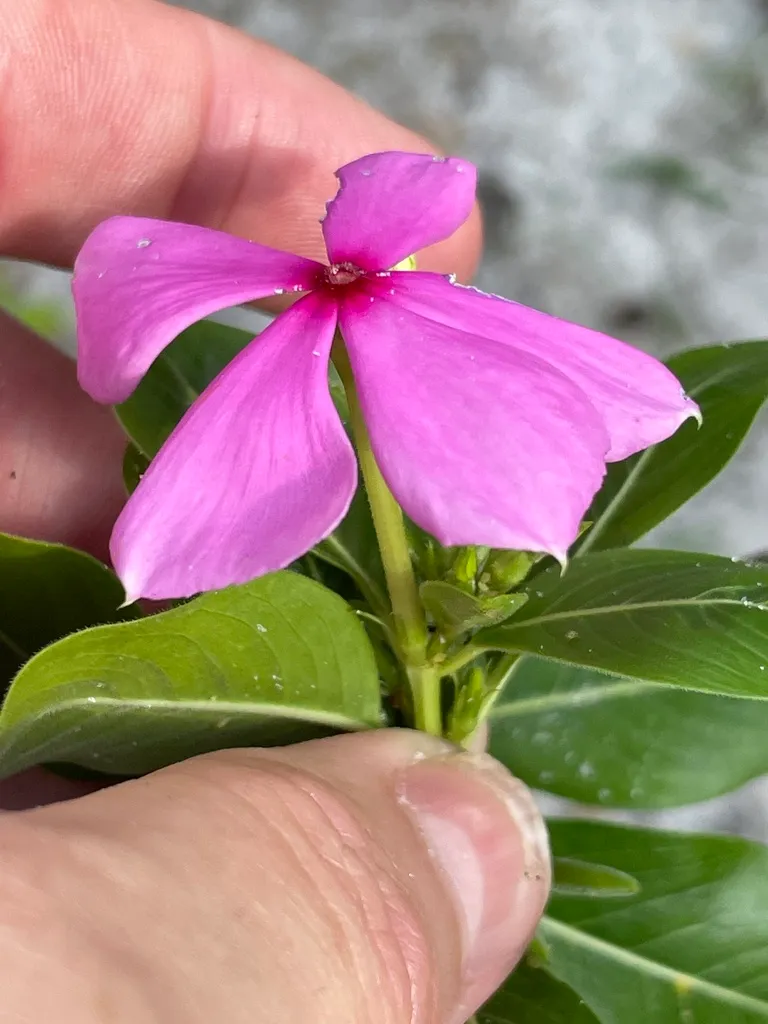
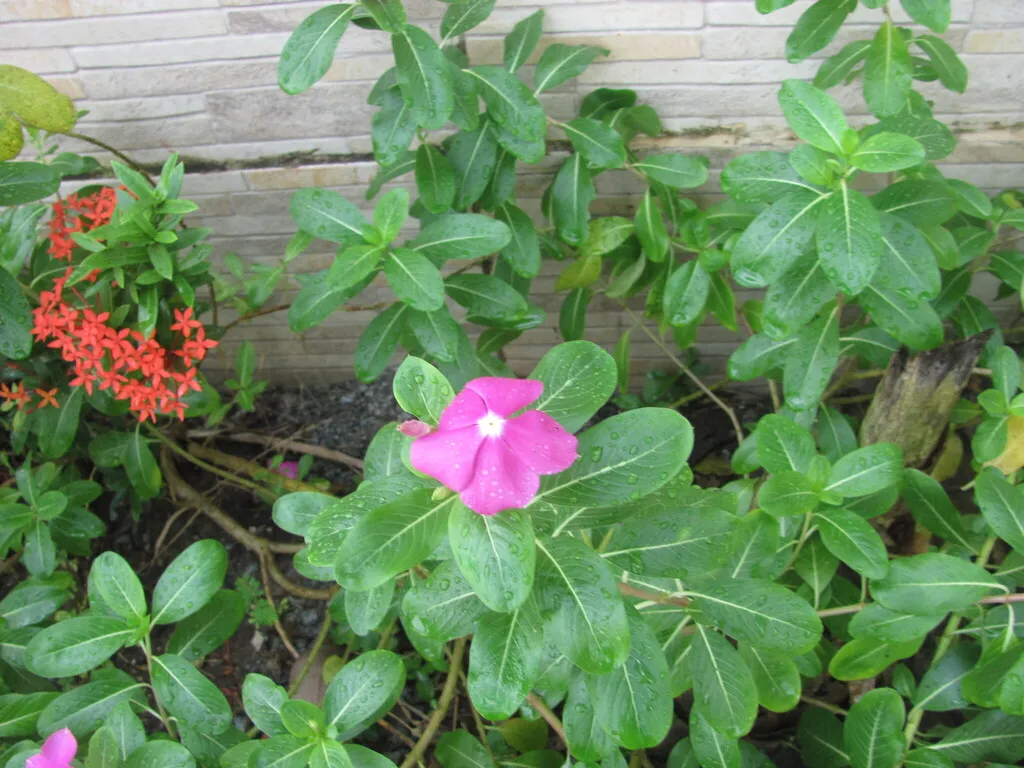
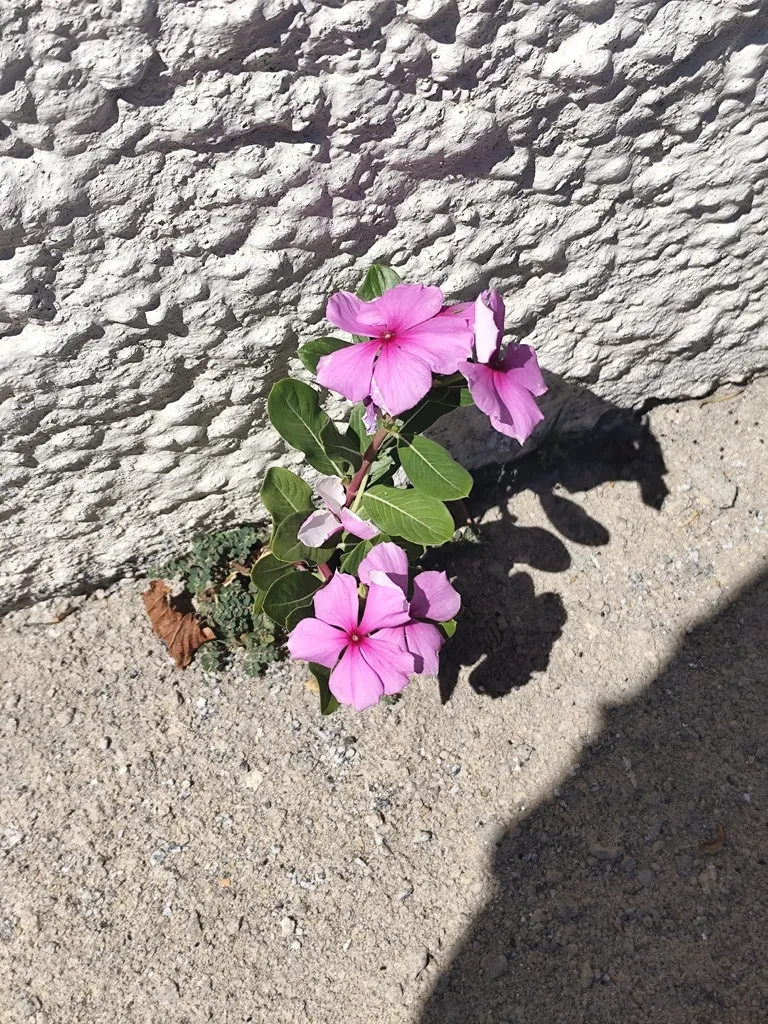
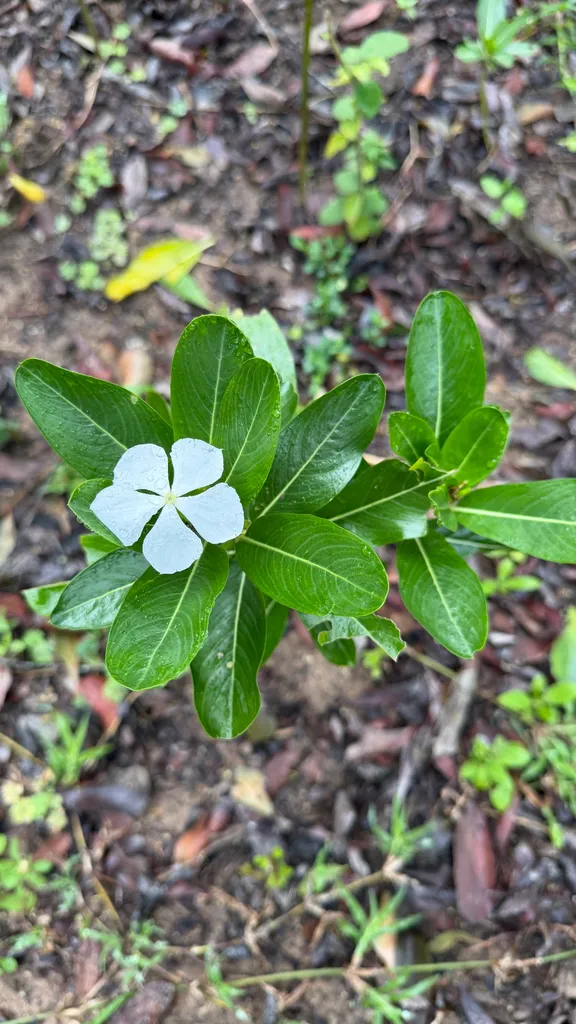
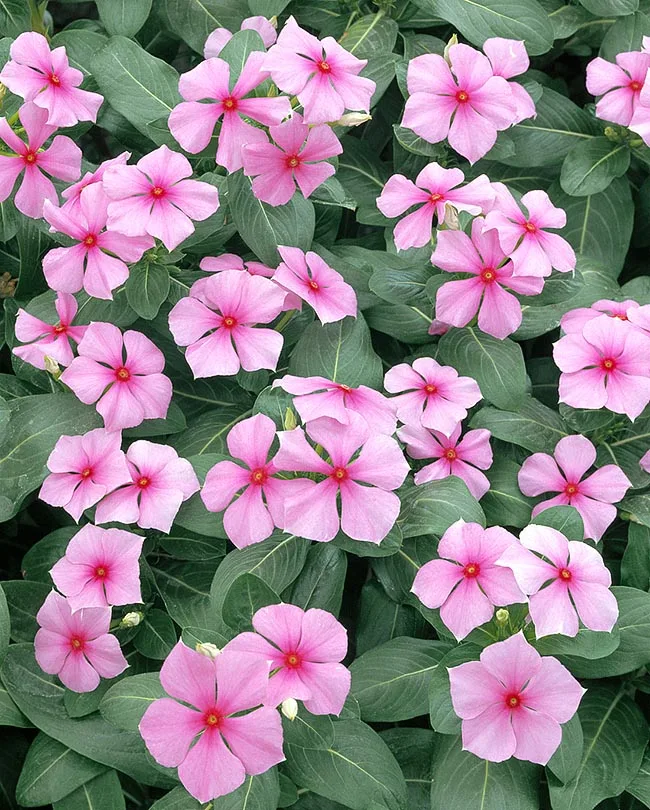
A woody-based evergreen perennial, to 45cm in height, with somewhat fleshy stems bearing ovate leaves and 5-petalled flowers, to 4cm across, pink, red or white in colour

Scientific classification
- Species
- rose periwinkle (Catharanthus roseus)
- Genus
- Catharanthus
- Family
- Apocynaceae
- Information to be completed
- Toxicity
- Bedding · Conservatory Greenhouse
- Plant type
- 0.1-0.5 metres
- Height
- 0.1-0.5 metres
- Spread
- Evergreen
- Foliage
- Bushy
- Habit
- Spring · Summer · Autumn · Winter
- Season of interest
- Full sun
- Sunlight
- 20 – 30 °C
- Ideal temperature









rose periwinkle pictures
Distribution of rose periwinkle
Distribution map
Madagascar
Information to be completed
Culture
Information to be completed
Toxicity
Information to be completed
Quick identification of rose periwinkle
Information to be completed
rose periwinkle care guide
- Regular moderate watering, reduce irrigation volume during cool winter rest
- Watering
- Full sun
- Sunlight
- 20 – 30 °C
- Ideal temperature

Watering
Regular moderate watering, reduce irrigation volume during cool winter rest
Fertilizing
 Fertilizing
Diluted flowering annual feed monthly spring through warm summer months
Pruning
 Pruning
No pruning required
Propagation
 Propagation
Propagate by seed sown in early spring at 13 to 18°C, or by softwood cuttings in late spring or semi-hardwood cuttings in summer
Growing
 Growing
Grow under glass in a loam-based potting compost with full light and good ventilation. When in growth water moderately and apply a balanced liquid fertiliser monthly. Water sparingly in winter. Can be grown outdoors as summer bedding in most moderately fertile, moist but well-drained soils
People also ask
Information to be completed
Common pests and diseases
Diseases
Generally disease free
Pests
Glasshouse red spider mite and glasshouse whitefly may be a problem
Explore the plant health library →




