
Dahurian larch
Also known as: Information to be completed
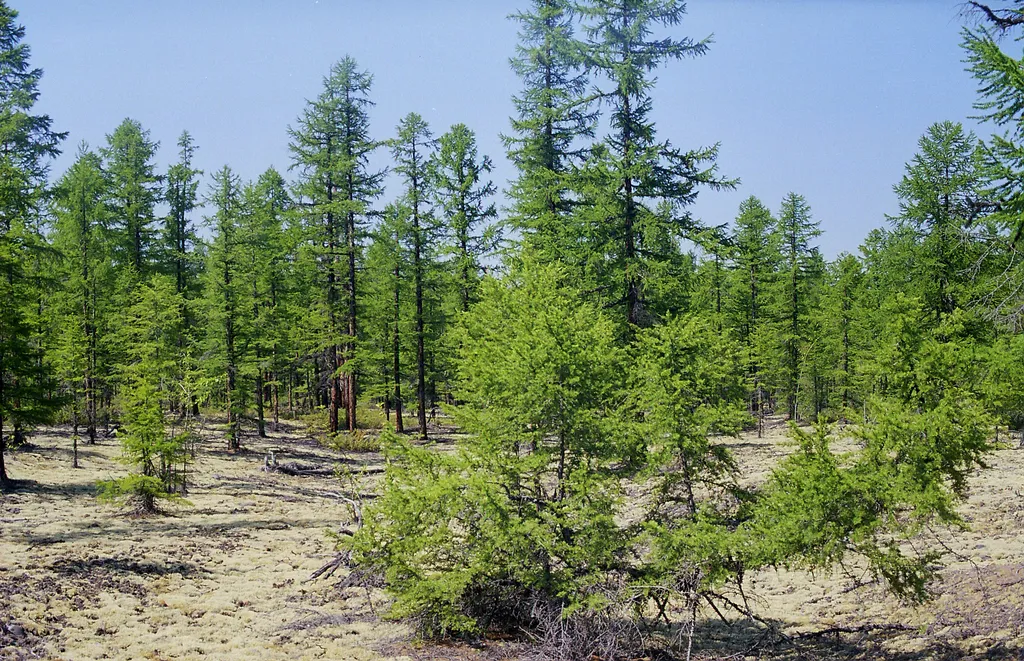
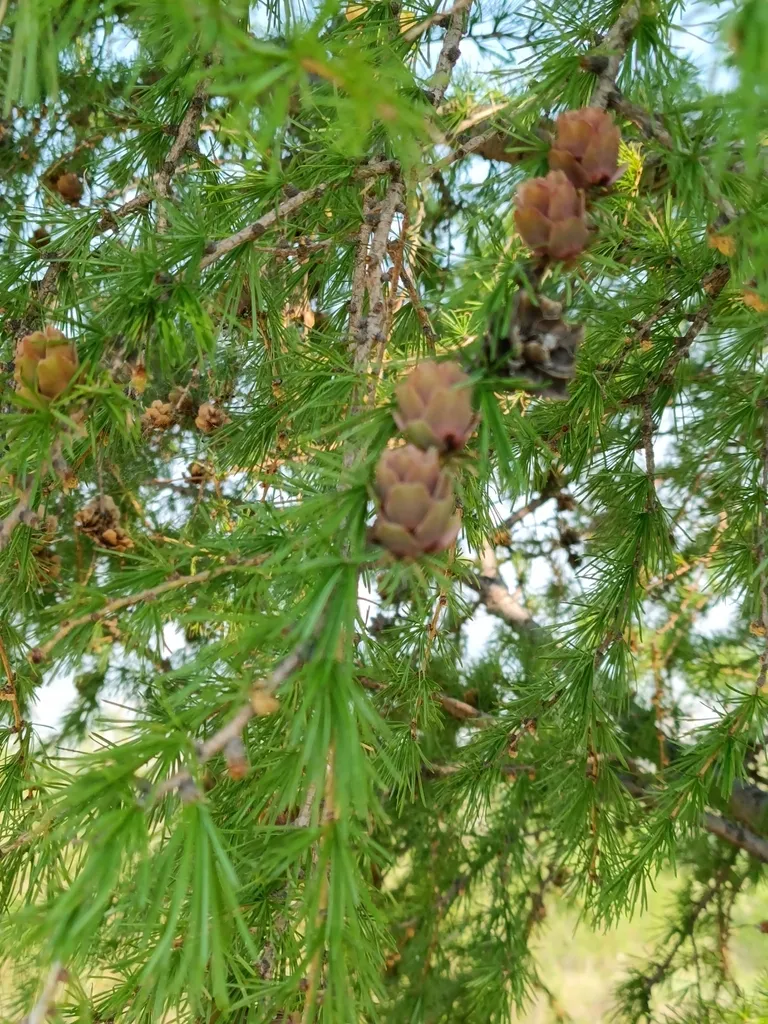
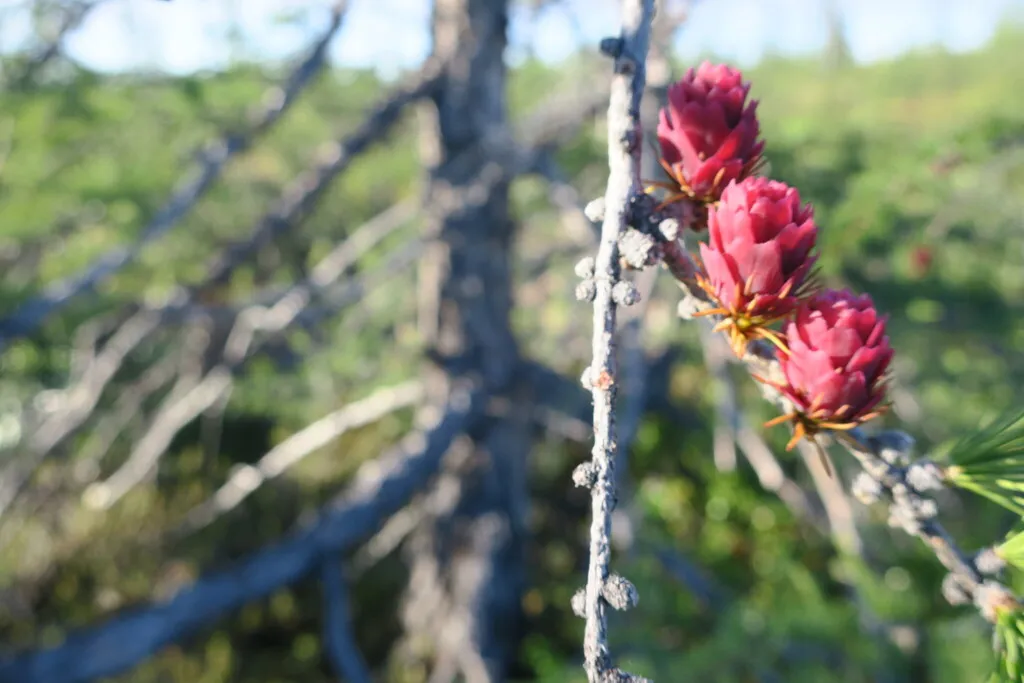
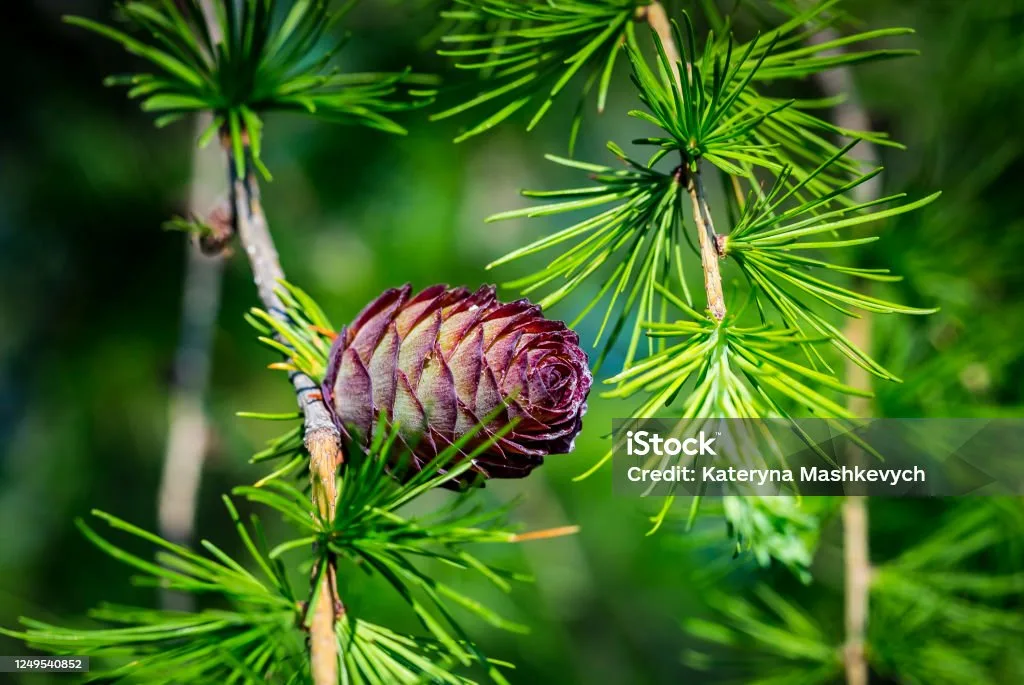
L. gmelinii is a deciduous, coniferous tree that can reach 35m, with a broadly conical shape and horizontal branches. Bright green, needle-like leaves are carried in bunches, and turn yellow in autumn. Male flowers are yellow, females start purple then ripen into erect, brown cones about 3cm long
Scientific classification
- Species
- Dahurian larch (Larix gmelinii)
- Genus
- Larix
- Family
- Pinaceae
- Information to be completed
- Toxicity
- Conifers · Trees
- Plant type
- Higher than 12 metres
- Height
- 4-8 metres
- Spread
- Deciduous
- Foliage
- Bushy
- Habit
- Autumn · Spring · Summer
- Season of interest
- Full sun
- Sunlight
- Information to be completed
- Ideal temperature









Dahurian larch pictures
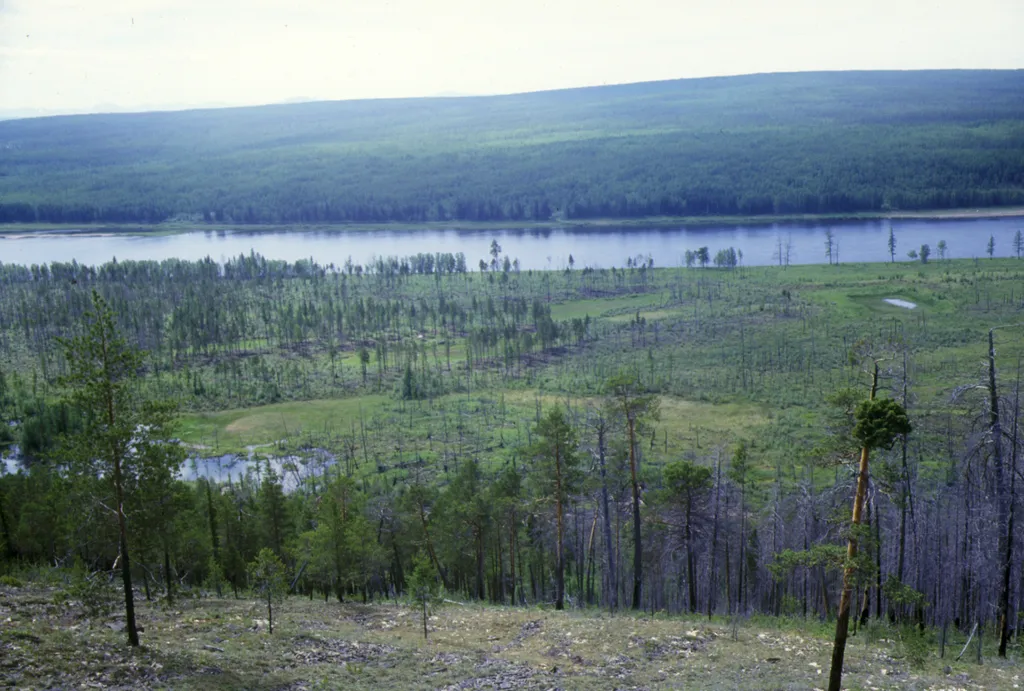
Distribution of Dahurian larch
Distribution map
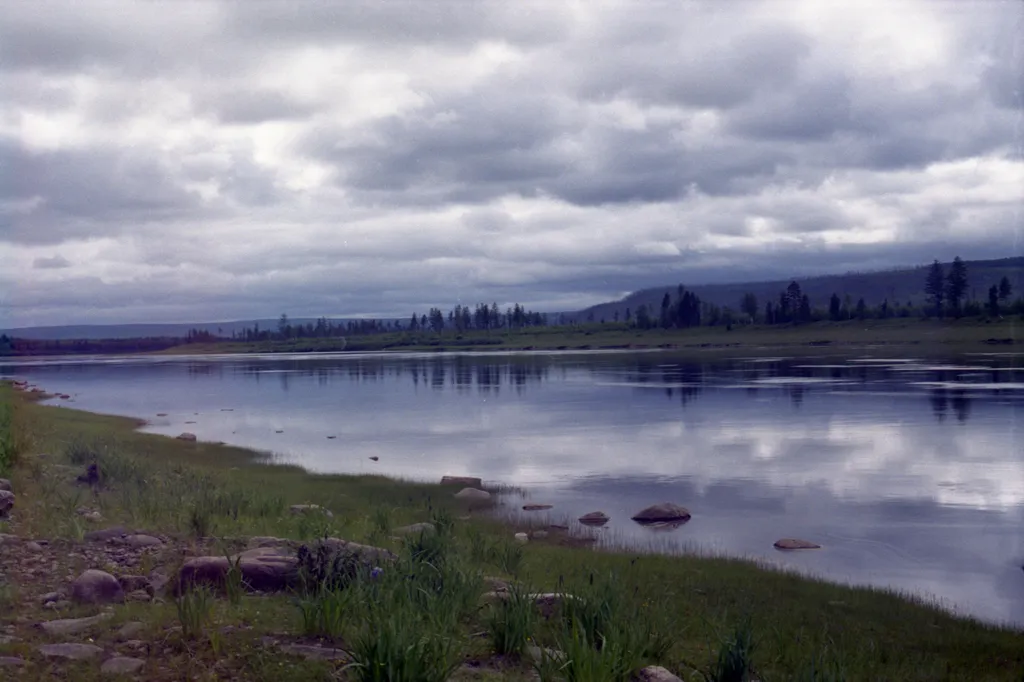
Northeastern Asia
Information to be completed
Culture
Information to be completed
Toxicity
Information to be completed
Quick identification of Dahurian larch
Information to be completed
Dahurian larch care guide
- Moderate regular watering, allowing brief slight drying between soakings
- Watering
- Full sun
- Sunlight
- Information to be completed
- Ideal temperature

Watering
Moderate regular watering, allowing brief slight drying between soakings
Fertilizing
 Fertilizing
Balanced perennial feed every four weeks from spring through summer
Pruning
 Pruning
No pruning required
Propagation
 Propagation
Propagate by seed in containers in early spring, grafting in winter, or root semi-ripe cuttings in summer under mist; cuttings are difficult to root
Growing
 Growing
An exceptionally hardy tree that does best in areas with very cold winters and cool summers. In milder areas it is easily damaged by late spring frosts
People also ask
Information to be completed
Common pests and diseases
Diseases
May be susceptible to honey fungus in gardens where it is present but insufficient data to determine degree of susceptibility
Pests
May be susceptible to adelgids
Explore the plant health library →




