
two-flowered everlasting pea
Also known as: everlasting pea; large-flowered everlasting pea
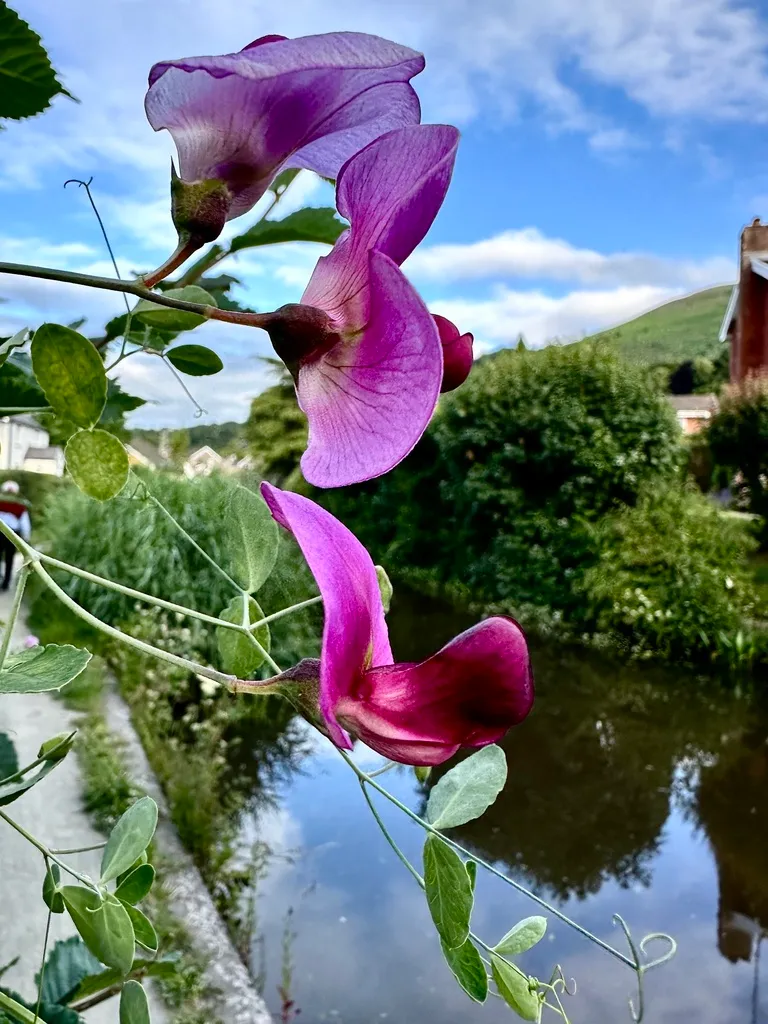
L. grandiflorus is a herbaceous, perennial climber, spreading by suckers, and growing about 1.5m tall. It produces pink-purple flowers in summer

Scientific classification
- Species
- two-flowered everlasting pea (Lathyrus grandiflorus)
- Genus
- Lathyrus
- Family
- Fabaceae
- Pods and seeds are not edible. Wear gloves and other protective equipment when handling
- Toxicity
- Climber Wall Shrub
- Plant type
- 1.5-2.5 metres
- Height
- 1-1.5 metres
- Spread
- Deciduous
- Foliage
- Climbing · Suckering
- Habit
- Spring · Summer · Autumn
- Season of interest
- Full sun · Partial shade
- Sunlight
- Information to be completed
- Ideal temperature









two-flowered everlasting pea pictures



Distribution of two-flowered everlasting pea
Distribution map
Southern Europe
Information to be completed
Culture
Information to be completed
Toxicity
Pods and seeds are not edible. Wear gloves and other protective equipment when handling
Quick identification of two-flowered everlasting pea
Information to be completed
two-flowered everlasting pea care guide
- Moderate regular watering, allowing brief slight drying between soakings
- Watering
- Full sun · Partial shade
- Sunlight
- Information to be completed
- Ideal temperature

Watering
Moderate regular watering, allowing brief slight drying between soakings
Fertilizing
 Fertilizing
Balanced perennial feed every four weeks from spring through summer
Pruning
 Pruning
Cut back to ground level in autumn
Propagation
 Propagation
It seldom produces seeds. Propagate by division from suckers in early spring.
Growing
 Growing
Best allowed to scramble through shrubs or over banks and slopes. Can be grown in sun or partial shade in fertile well-drained soil. It has tendency to run, particularly on light sandy soils. See sweetpea cultivation for further information
People also ask
Information to be completed
Common pests and diseases
Diseases
May be susceptible to powdery mildews, Fusarium wilt and sweet pea viruses
Pests
May be susceptible to aphids, slugs and snails
Explore the plant health library →




