
broad-leaved everlasting pea
Also known as: everlasting pea; hardy sweet pea; perennial pea
L. latifolius is a vigorous climbing herbaceous perennial to 2m, with winged stems and paired grey-green leaflets bearing tendrils. Flowers 2-3cm in width, vivid purplish-pink, in racemes of 5-11
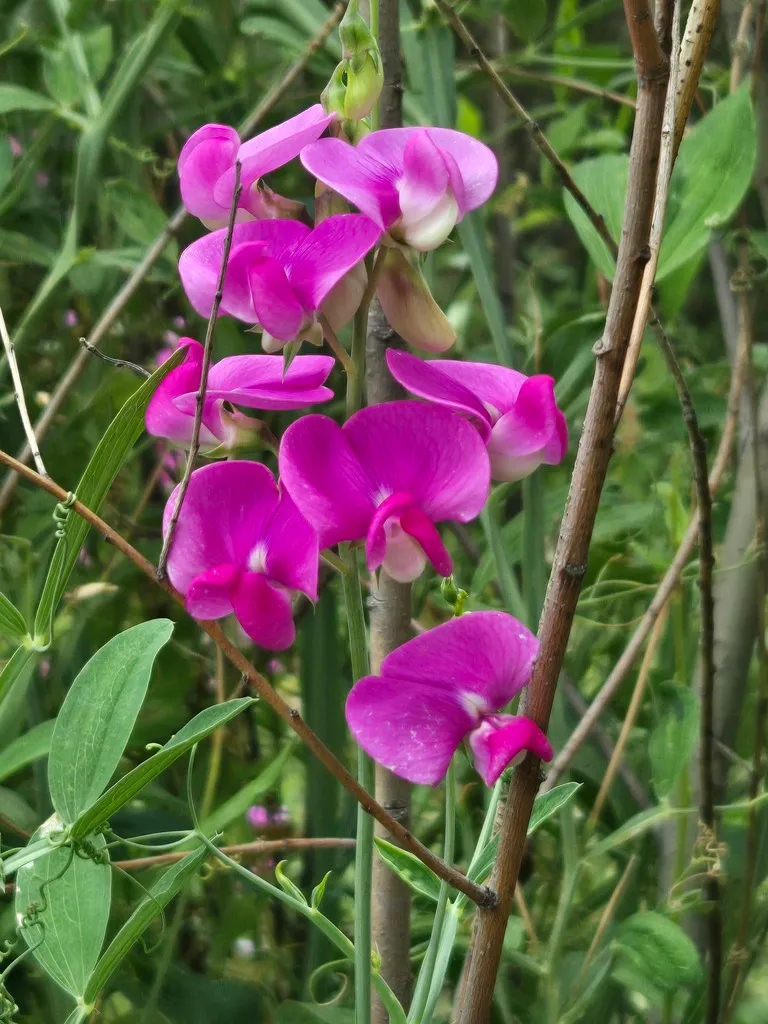
Scientific classification
- Species
- broad-leaved everlasting pea (Lathyrus latifolius)
- Genus
- Lathyrus
- Family
- Fabaceae
- Pods and seeds are not edible. Wear gloves and other protective equipment when handling
- Toxicity
- Climber Wall Shrub
- Plant type
- 1.5-2.5 metres
- Height
- 0.5-1 metres
- Spread
- Deciduous
- Foliage
- Climbing
- Habit
- Spring · Summer · Autumn
- Season of interest
- Full sun · Partial shade
- Sunlight
- Information to be completed
- Ideal temperature









broad-leaved everlasting pea pictures
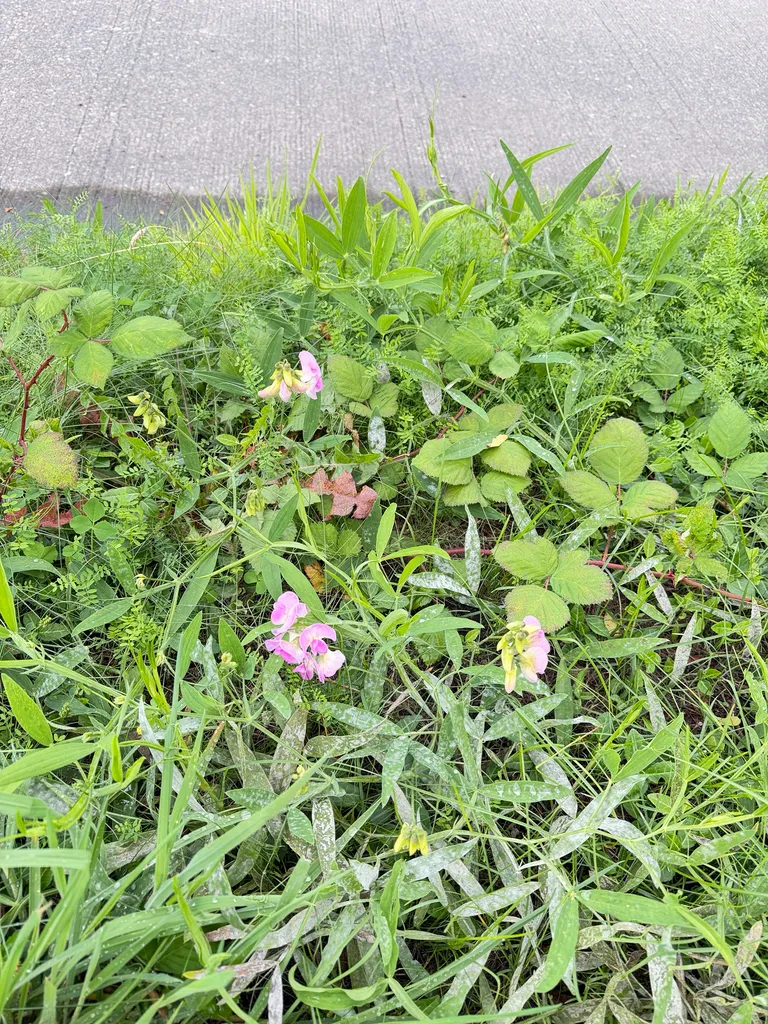
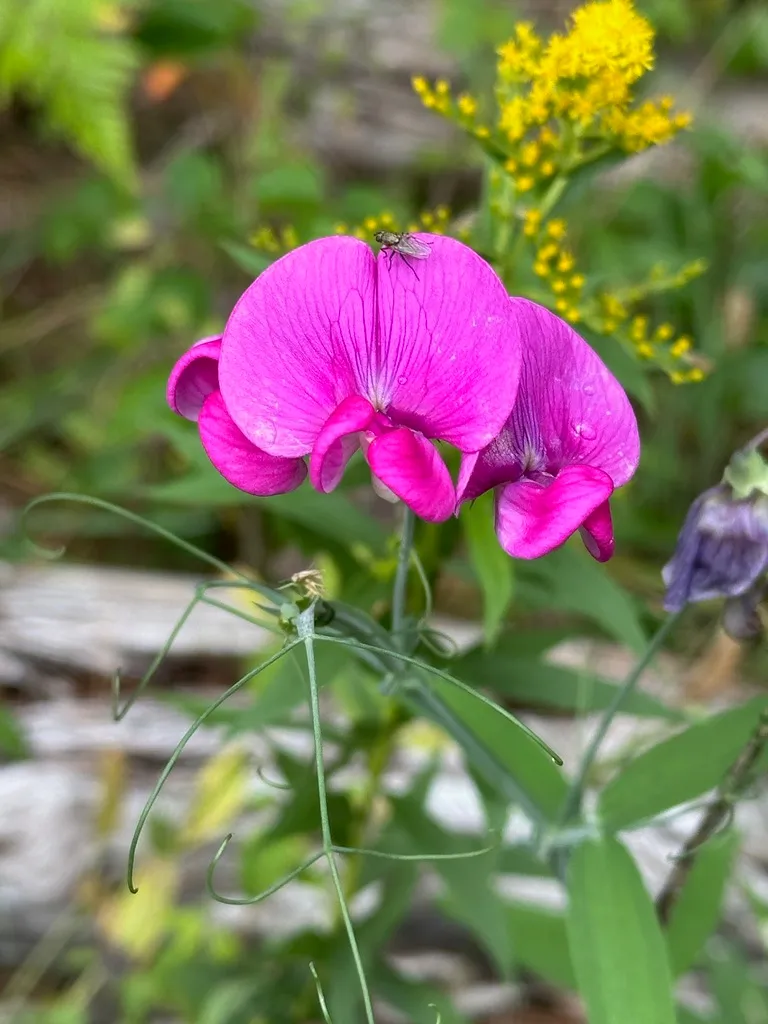
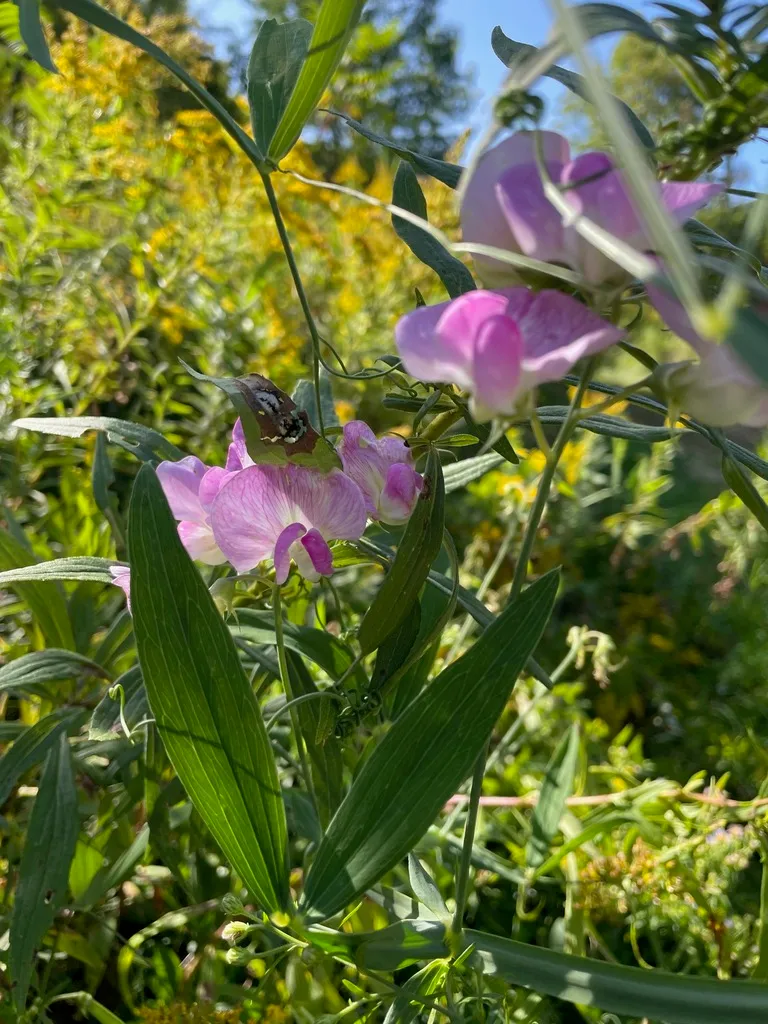
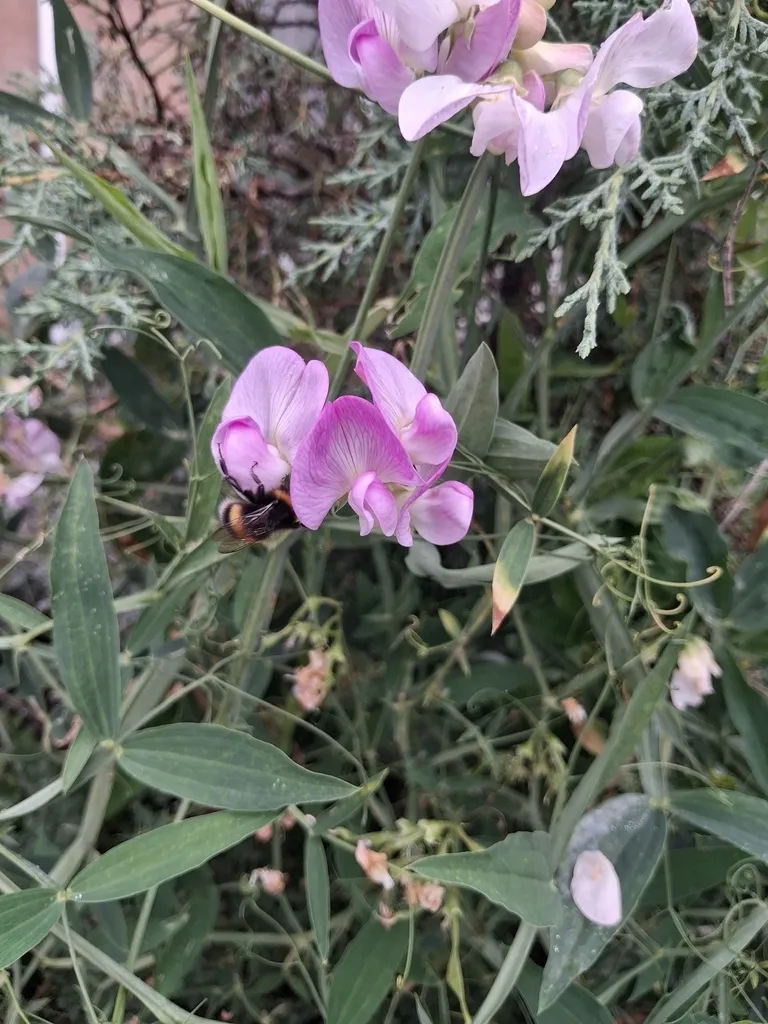
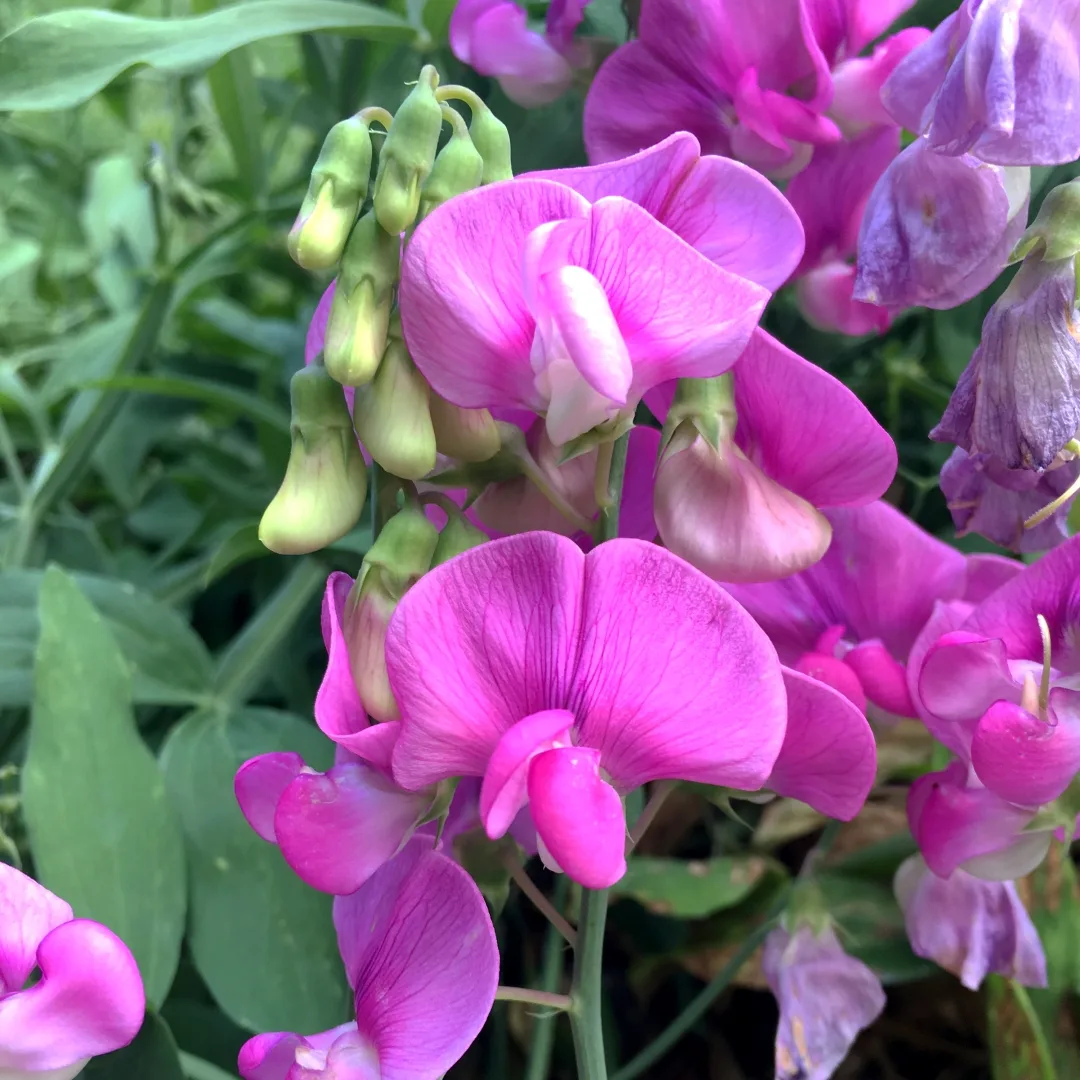
Distribution of broad-leaved everlasting pea
Distribution map
C and Southern Europe and Northern Africa
Information to be completed
Culture
Information to be completed
Toxicity
Pods and seeds are not edible. Wear gloves and other protective equipment when handling
Quick identification of broad-leaved everlasting pea
Information to be completed
broad-leaved everlasting pea care guide
- Water regularly in growth, never let roots bake dry
- Watering
- Full sun · Partial shade
- Sunlight
- Information to be completed
- Ideal temperature

Watering
Water regularly in growth, never let roots bake dry
Fertilizing
 Fertilizing
Regular potash-rich feed through flowering season
Pruning
 Pruning
Cut back to ground level in autumn
Propagation
 Propagation
Propagate by seed
Growing
 Growing
Can be grown as a climber or allowed to scramble over banks and slopes. It copes with sun or partial shade in fertile well-drained soil. See sweetpea cultivation for further information
People also ask
Information to be completed
Common pests and diseases
Diseases
May be susceptible to powdery mildews, Fusarium wilt and sweet pea viruses
Pests
May be susceptible to aphids, slugs and snails
Explore the plant health library →




