
broom 'Lena'
Also known as: Information to be completed
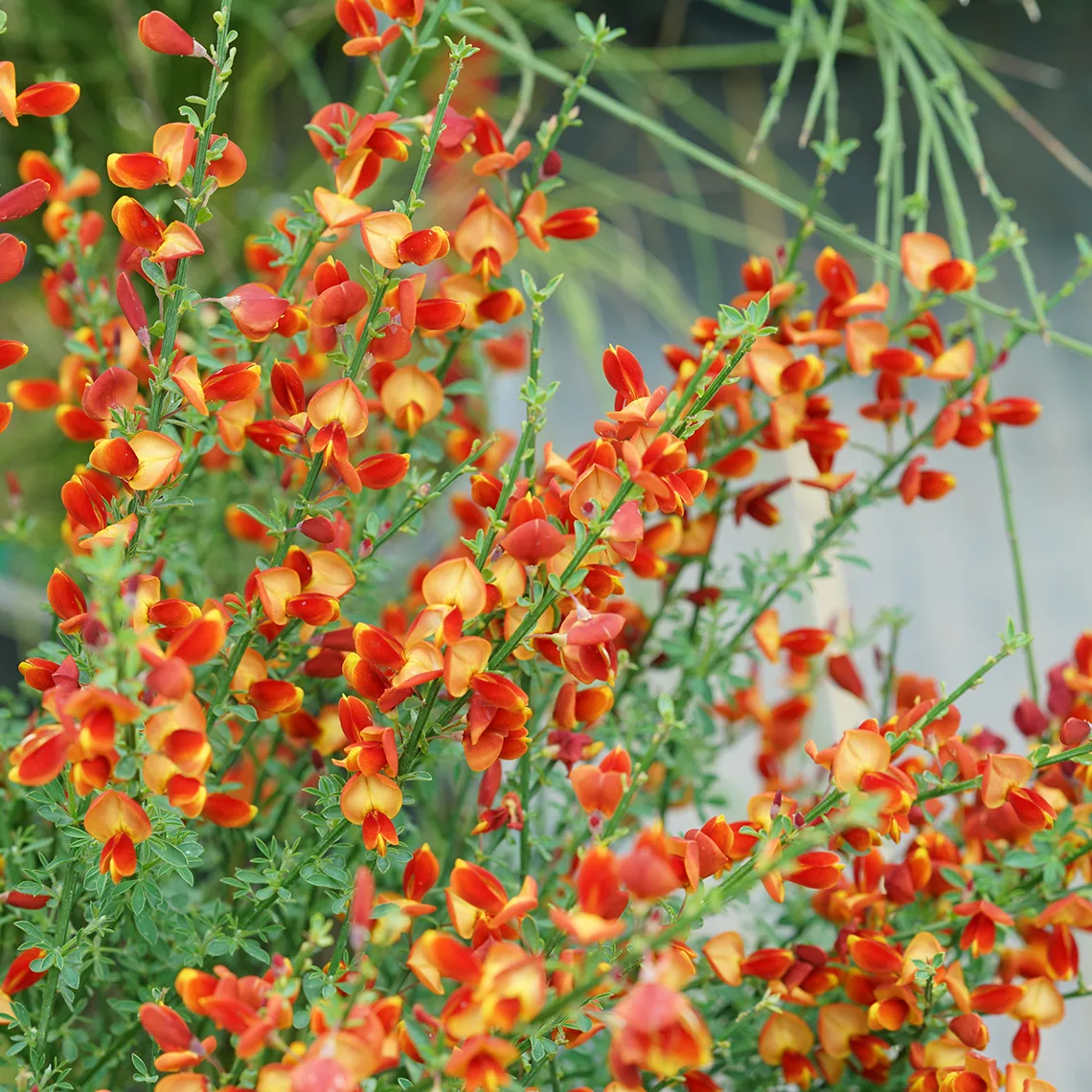
A small, compact broom to 120cm, with a spread to 150cm. The very small leaves, and twigs, are mid-green. Flowers are a complex mix of red, yellow and orange shades, looking generally russet-orange from a distance. It flowers on upright or slightly arching twigs in late spring and early summer
Scientific classification
- Species
- broom 'Lena' (Cytisus 'Lena')
- Genus
- Cytisus
- Family
- Fabaceae
- Harmful if eaten. Wear gloves and other protective equipment when handling
- Toxicity
- Shrubs
- Plant type
- 1-1.5 metres
- Height
- 1-1.5 metres
- Spread
- Deciduous
- Foliage
- Bushy
- Habit
- Spring · Summer · Autumn · Winter
- Season of interest
- Full sun
- Sunlight
- Information to be completed
- Ideal temperature









broom 'Lena' pictures
Distribution of broom 'Lena'
Distribution map
Information to be completed
Information to be completed
Culture
Information to be completed
Toxicity
Harmful if eaten. Wear gloves and other protective equipment when handling
Quick identification of broom 'Lena'
Information to be completed
broom 'Lena' care guide
- Moderate regular watering, allowing brief slight drying between soakings
- Watering
- Full sun
- Sunlight
- Information to be completed
- Ideal temperature

Watering
Moderate regular watering, allowing brief slight drying between soakings
Fertilizing
 Fertilizing
Balanced perennial feed every four weeks from spring through summer
Pruning
 Pruning
Shorten flowered shoots to vigorous sideshoots; remove about a third of stems at ground level annually. Prune immediately after flowering.
Propagation
 Propagation
Propagate by semi-ripe cuttings in late summer
Growing
 Growing
Grow in moderately fertile well-drained soil in full sun, tolerant of a range of soils but best in poor acid soils. Plant directly from tubs when small as they resent transplanting
People also ask
Information to be completed
Common pests and diseases
Diseases
May be susceptible to honey fungus
Pests
May be susceptible to broom gall mites
Explore the plant health library →




