
Persian everlasting pea
Also known as: Information to be completed
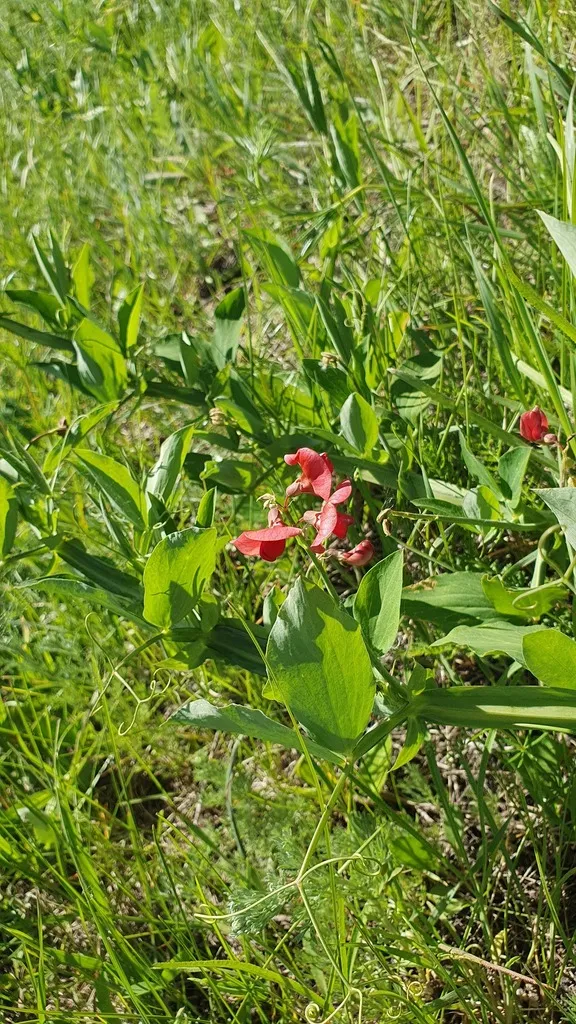
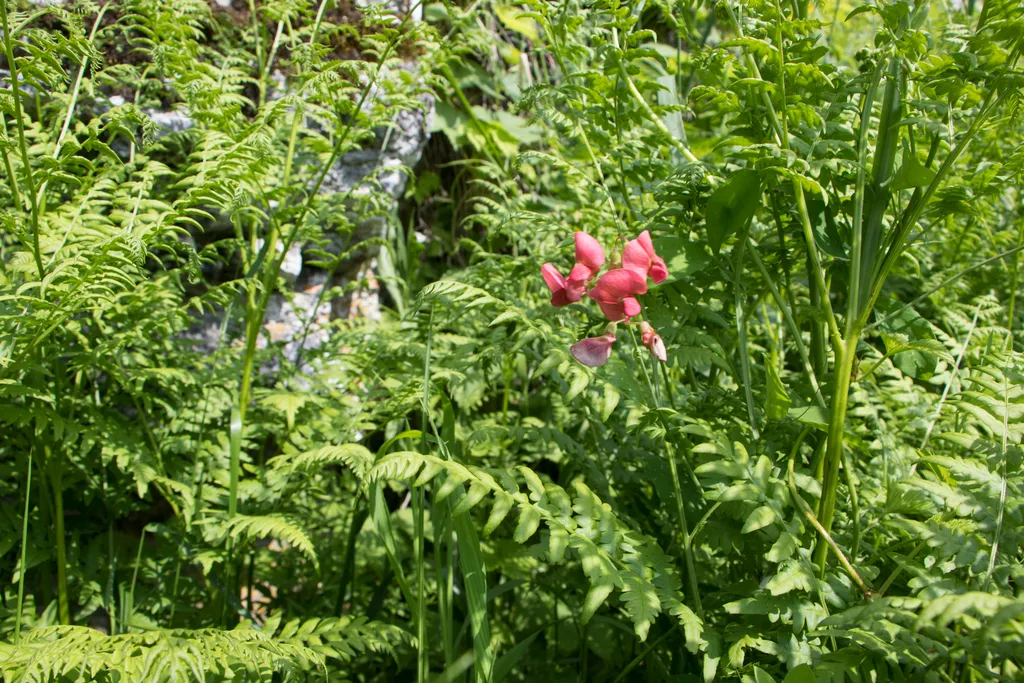
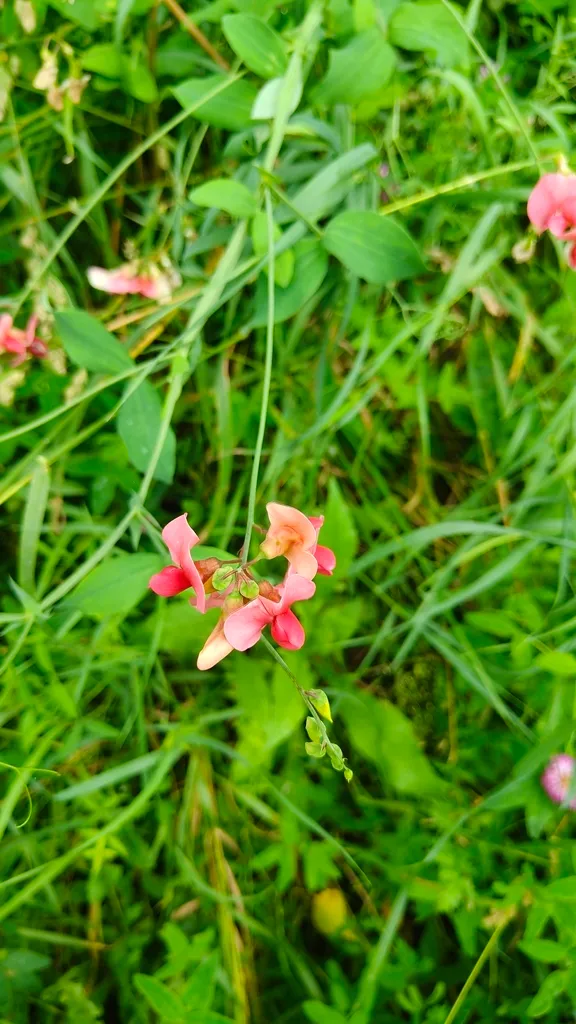
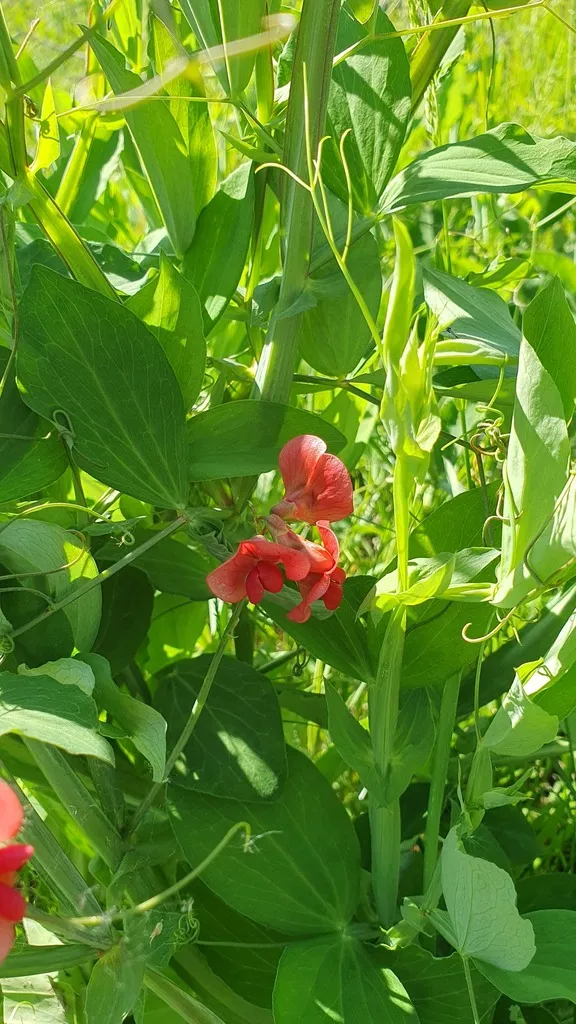
L. rotundifolius is a herbaceous perennial climber with winged stems. Mid green leaves are composed of leaflets and small racemes of 4-11 dark purplish-pink to brownish-red flowers 1.5-2cm long are produced in summer
Scientific classification
- Species
- Persian everlasting pea (Lathyrus rotundifolius)
- Genus
- Lathyrus
- Family
- Fabaceae
- Pods and seeds are not edible. Wear gloves and other protective equipment when handling
- Toxicity
- Herbaceous Perennial
- Plant type
- 1-1.5 metres
- Height
- 0.1-0.5 metres
- Spread
- Deciduous
- Foliage
- Clump forming
- Habit
- Spring · Summer · Autumn
- Season of interest
- Full sun · Partial shade
- Sunlight
- Information to be completed
- Ideal temperature









Persian everlasting pea pictures
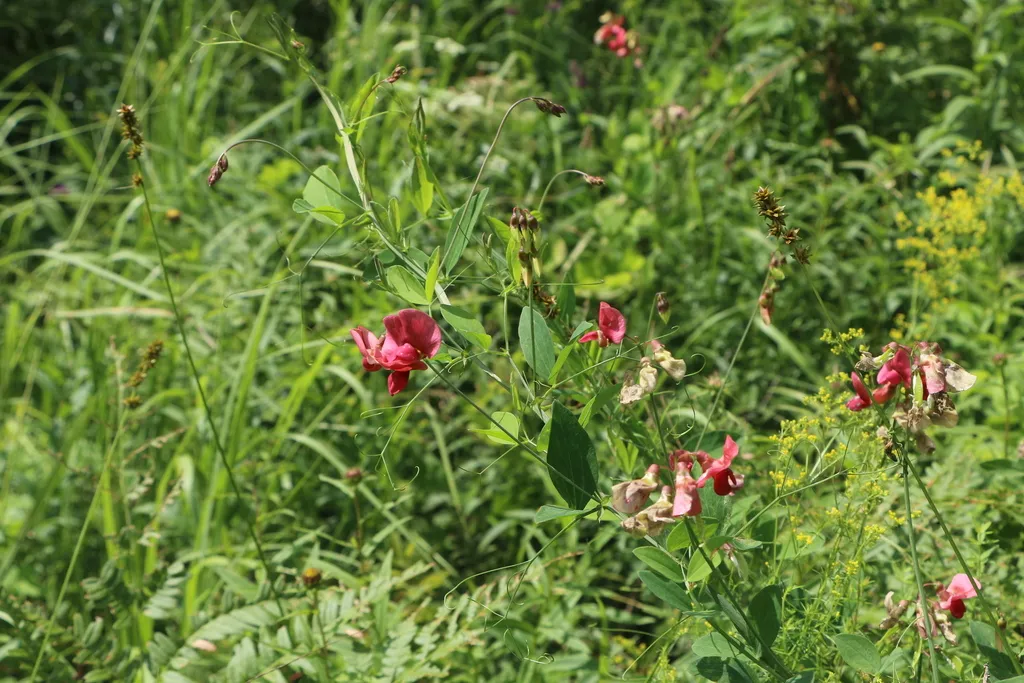
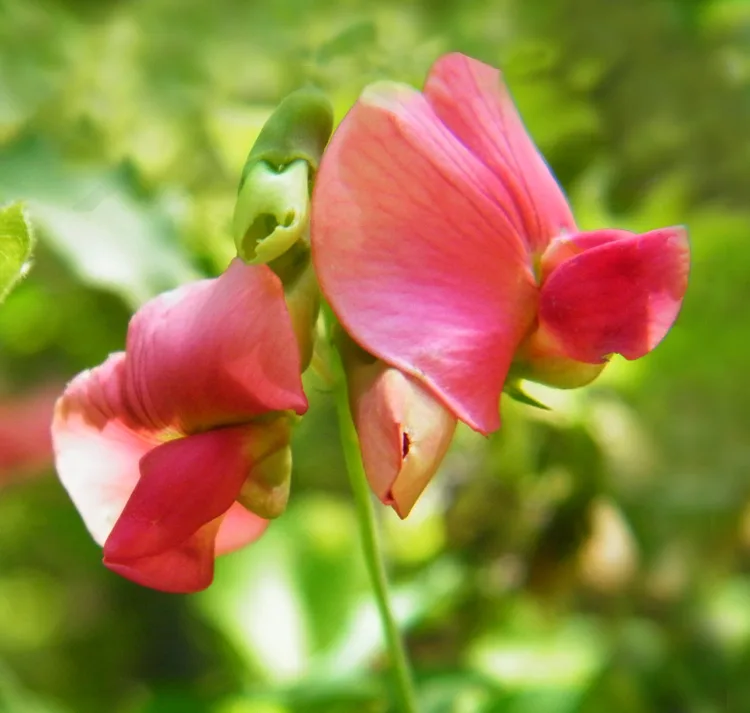
Distribution of Persian everlasting pea
Distribution map
Turkey
Information to be completed
Culture
Information to be completed
Toxicity
Pods and seeds are not edible. Wear gloves and other protective equipment when handling
Quick identification of Persian everlasting pea
Information to be completed
Persian everlasting pea care guide
- Regular moderate watering, avoid full drying of shallow fibrous roots
- Watering
- Full sun · Partial shade
- Sunlight
- Information to be completed
- Ideal temperature

Watering
Regular moderate watering, avoid full drying of shallow fibrous roots
Fertilizing
 Fertilizing
Low nitrogen bloom liquid feed biweekly spring budding phase
Pruning
 Pruning
Deadhead regularly then cut stems down to the ground in autumn
Propagation
 Propagation
Propagate by division in early spring but may resent disturbance, or propagate by seed, soak seeds and sow in containers in a cold frame in early spring
Growing
 Growing
Best grown in fertile, humus-rich, well-drained soil in full sun or partial shade. See sweetpea cultivation for further information
People also ask
Information to be completed
Common pests and diseases
Diseases
May be susceptible to powdery mildews, Fusarium wilt and sweet pea viruses
Pests
May be susceptible to aphids, slugs and snails
Explore the plant health library →




