
Shasta daisy
Also known as: max daisy
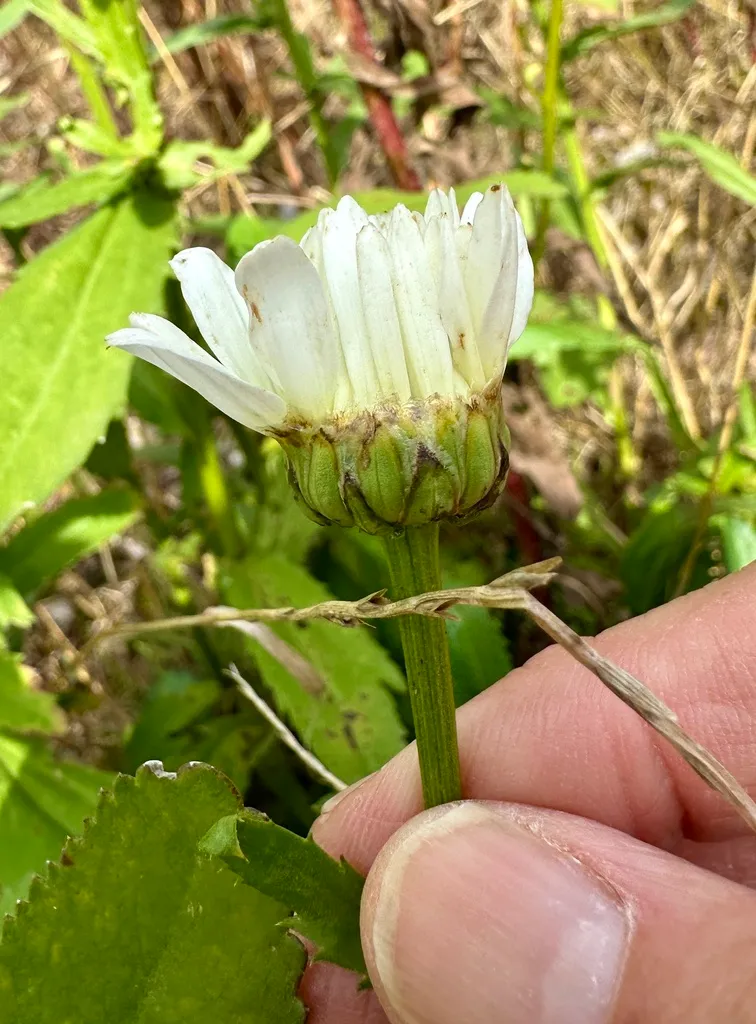
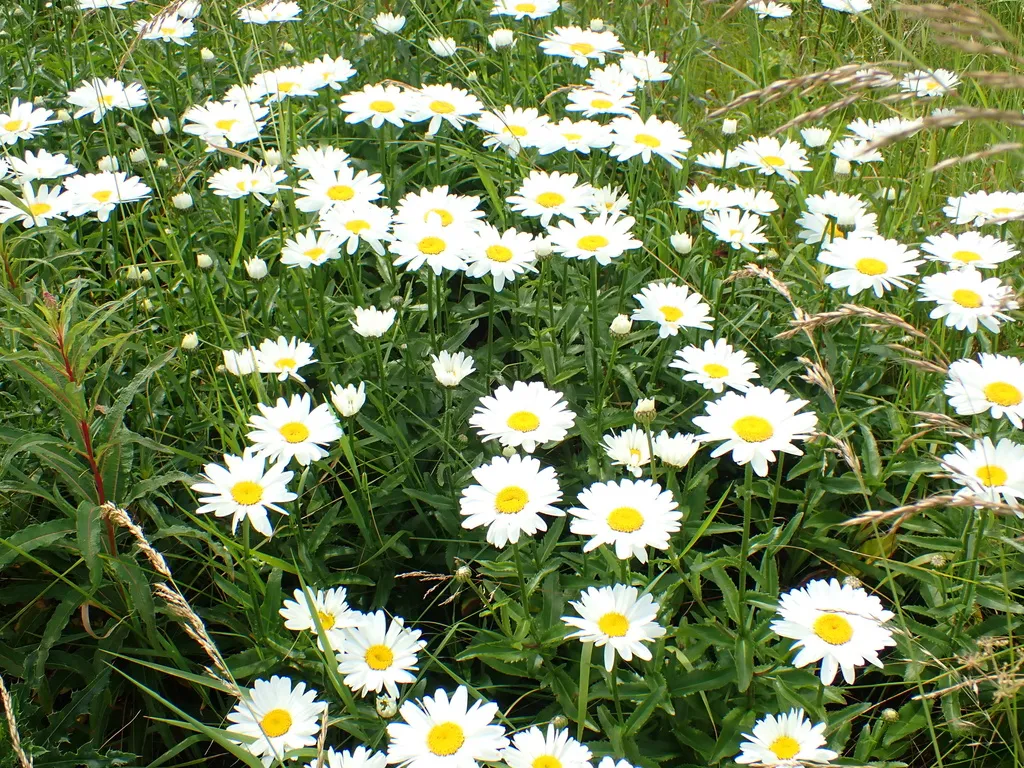
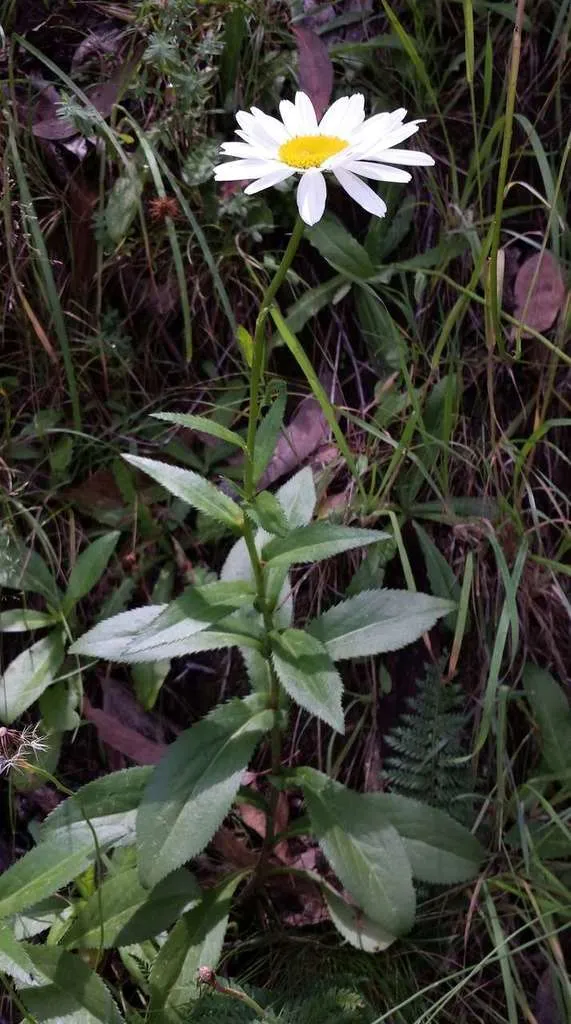
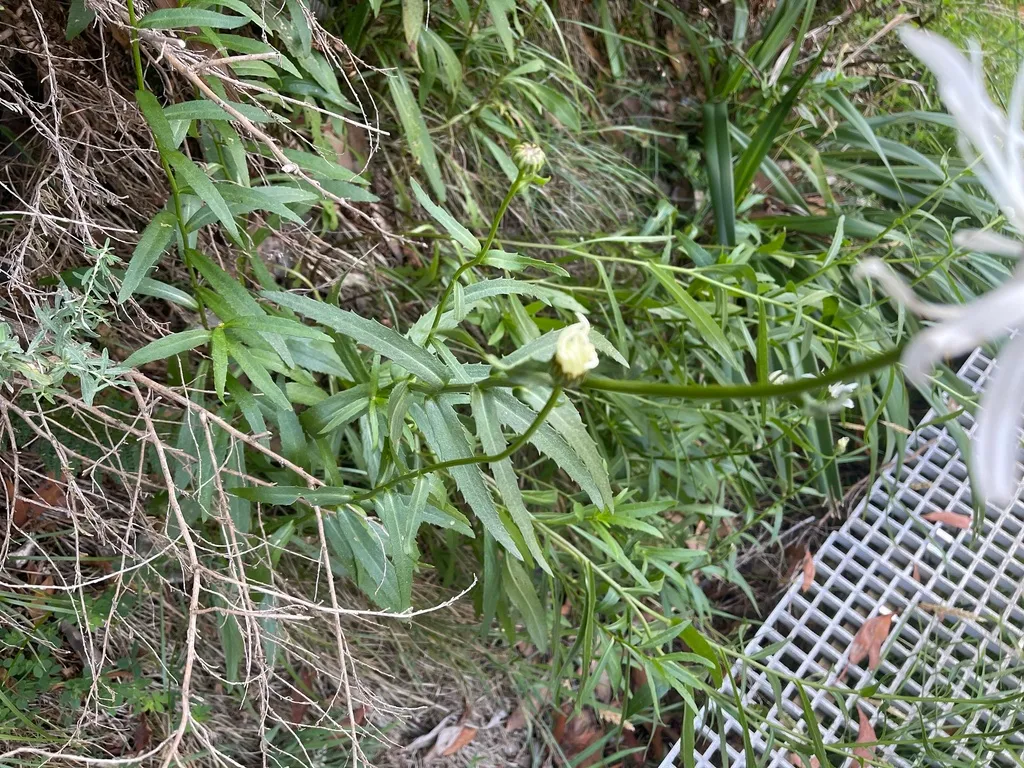
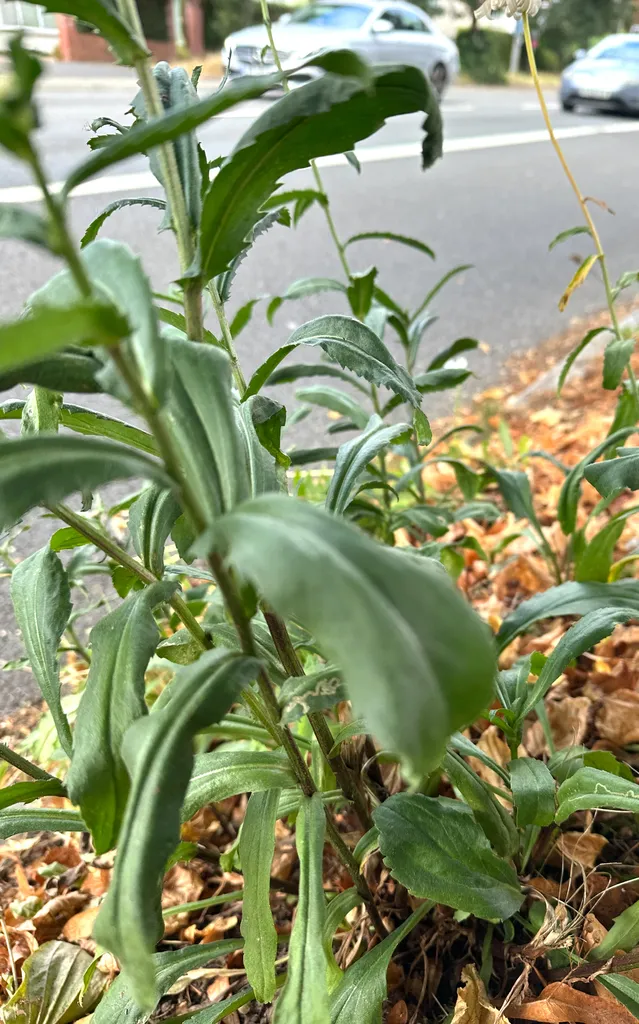
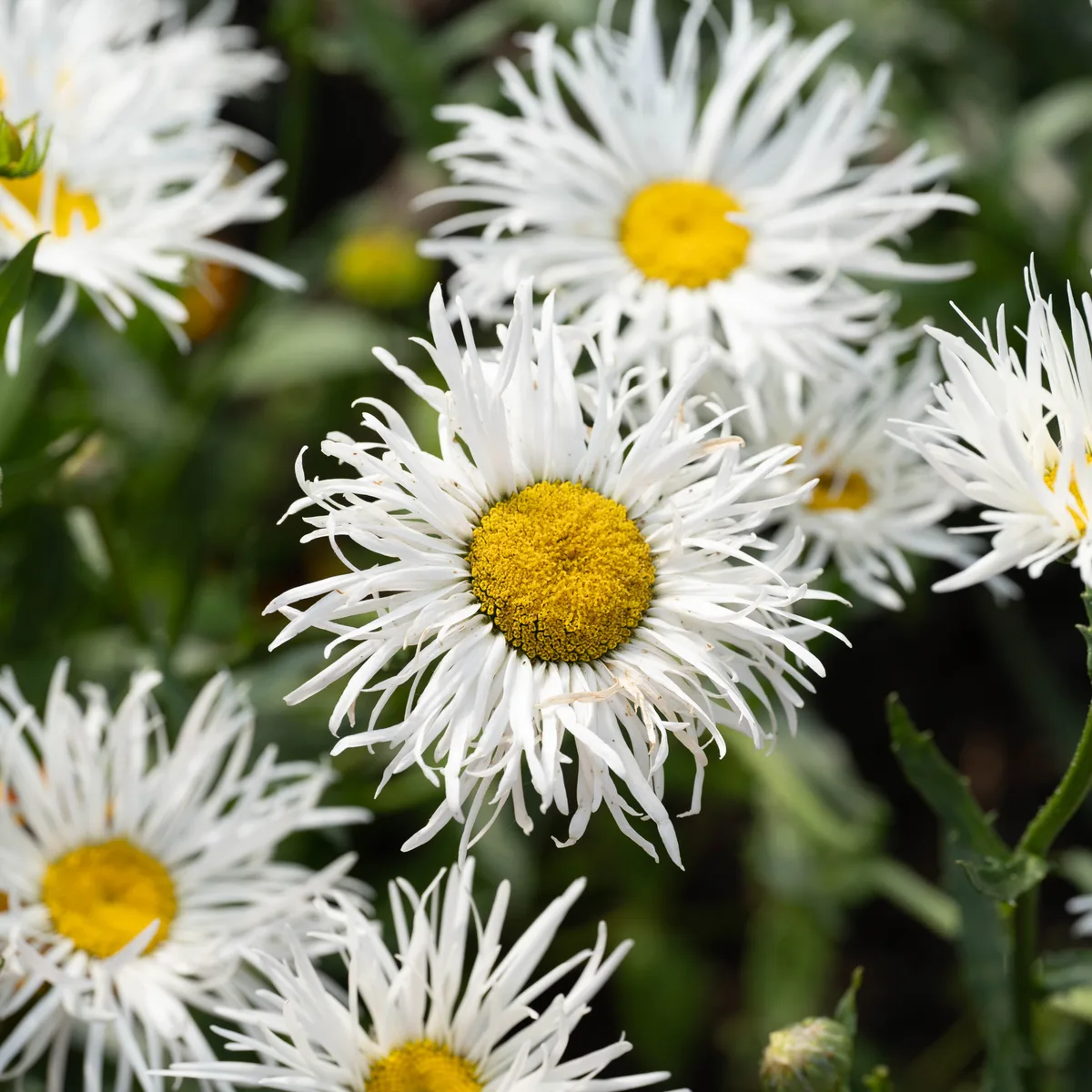
L. x superbum is a robust, clump-forming perennial with thick, narrow, dark green leaves. From early summer to early autumn bears solitary, single or double, white flower heads up to 10cm across with yellow centres
Scientific classification
- Species
- Shasta daisy (Leucanthemum × superbum)
- Genus
- Leucanthemum
- Family
- Asteraceae
- Information to be completed
- Toxicity
- Herbaceous Perennial
- Plant type
- 0.5-1 metres
- Height
- 0.5-1 metres
- Spread
- Deciduous
- Foliage
- Clump forming
- Habit
- Spring · Summer · Autumn
- Season of interest
- Full sun · Partial shade
- Sunlight
- Information to be completed
- Ideal temperature









Shasta daisy pictures
Distribution of Shasta daisy
Distribution map
Information to be completed
Information to be completed
Culture
Information to be completed
Toxicity
Information to be completed
Quick identification of Shasta daisy
Information to be completed
Shasta daisy care guide
- Medium steady soil dampness, swiftly remove accumulated standing water
- Watering
- Full sun · Partial shade
- Sunlight
- Information to be completed
- Ideal temperature

Watering
Medium steady soil dampness, swiftly remove accumulated standing water
Fertilizing
 Fertilizing
Diluted daisy perennial feed every three weeks spring summer growing
Pruning
 Pruning
Deadhead regularly then cut stems down to the ground in winter
Propagation
 Propagation
Propagate by division in early spring or late summer
Growing
 Growing
Grow in moderately fertile, moist but well-drained soil in full sun or partial shade; plants may need support (see staking perennials)
People also ask
Information to be completed
Common pests and diseases
Diseases
Generally disease free
Pests
Can get aphids and leaf and bud eelworms
Explore the plant health library →




