
cow wort
Also known as: lion's ear; lion's tail; motherwort
A deciduous, herbaceous perennial wildflower with deeply-lobed palmate green foliage and whorls of purple-pink to white flowers with purple-spotted lips around a central stem which appear in the summer. Known for it's historical use in medicine for heart-related issues and also a great source of nectar for pollinating insects. Honey made from the nectar of this plant has a strong, mint-like flavour
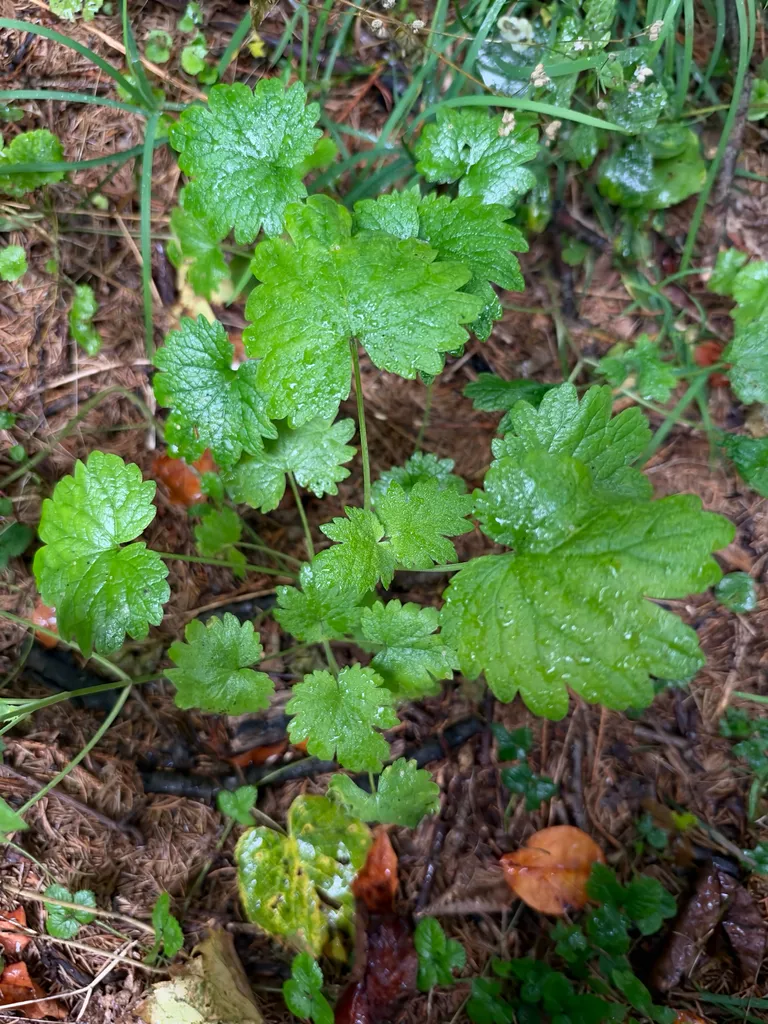
Scientific classification
- Species
- cow wort (Leonurus cardiaca)
- Genus
- Leonurus
- Family
- Lamiaceae
- Information to be completed
- Toxicity
- Herbaceous Perennial
- Plant type
- 1.5-2.5 metres
- Height
- 0.5-1 metres
- Spread
- Deciduous
- Foliage
- Bushy
- Habit
- Spring · Summer
- Season of interest
- Partial shade
- Sunlight
- Information to be completed
- Ideal temperature









cow wort pictures
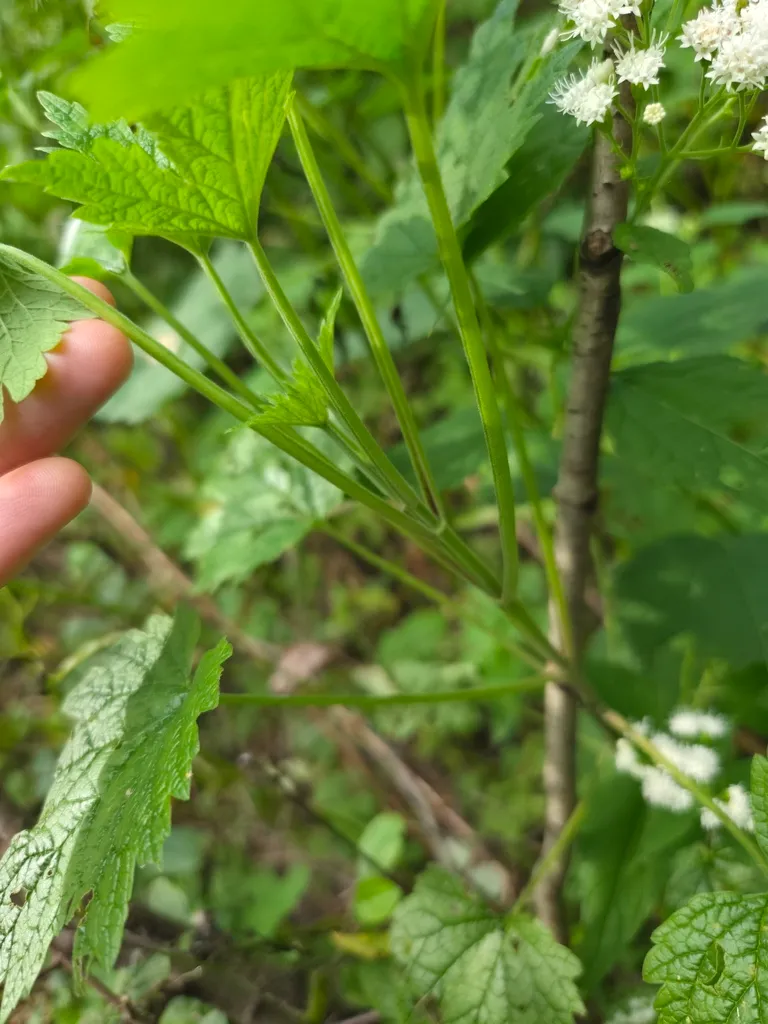
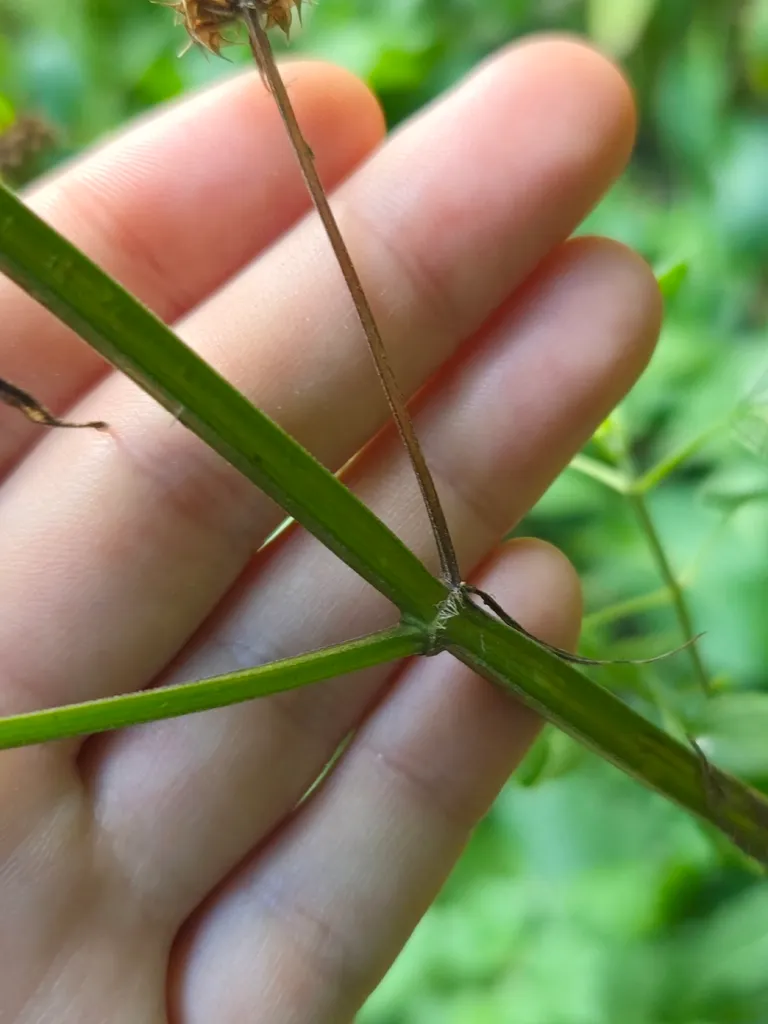
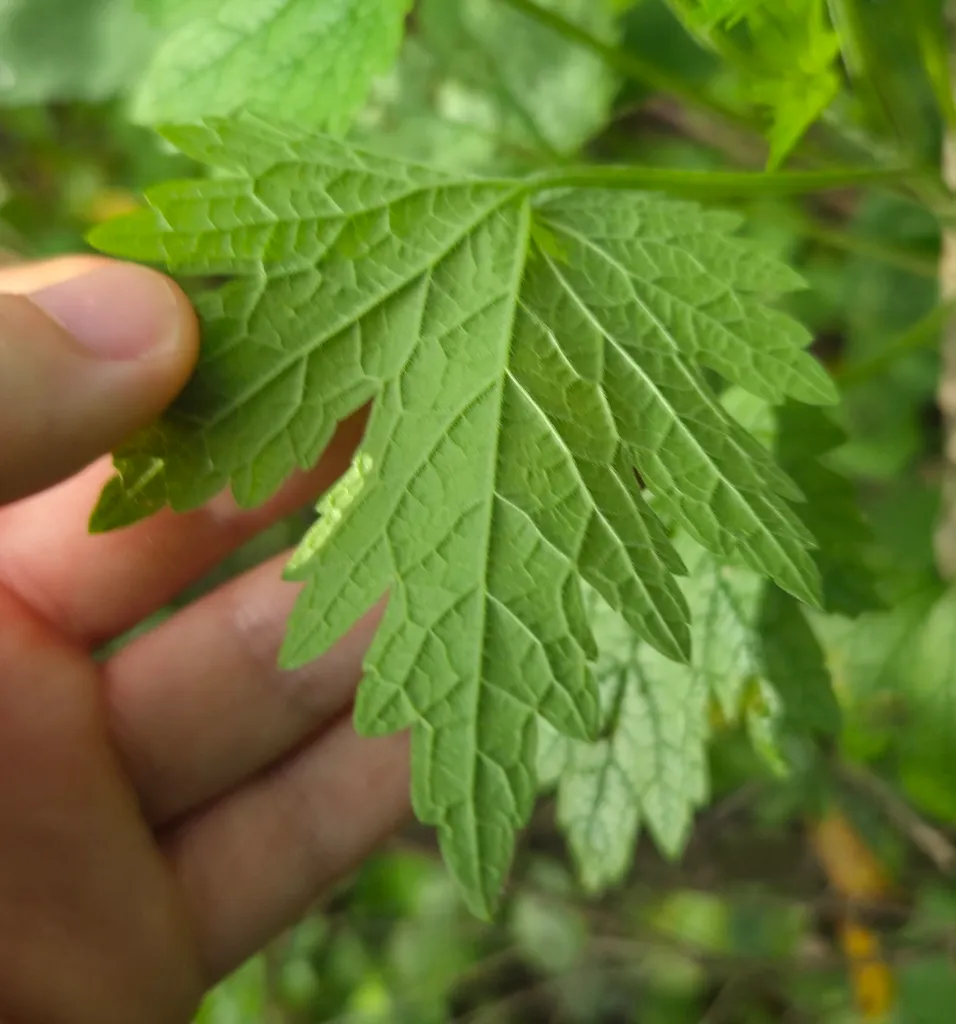
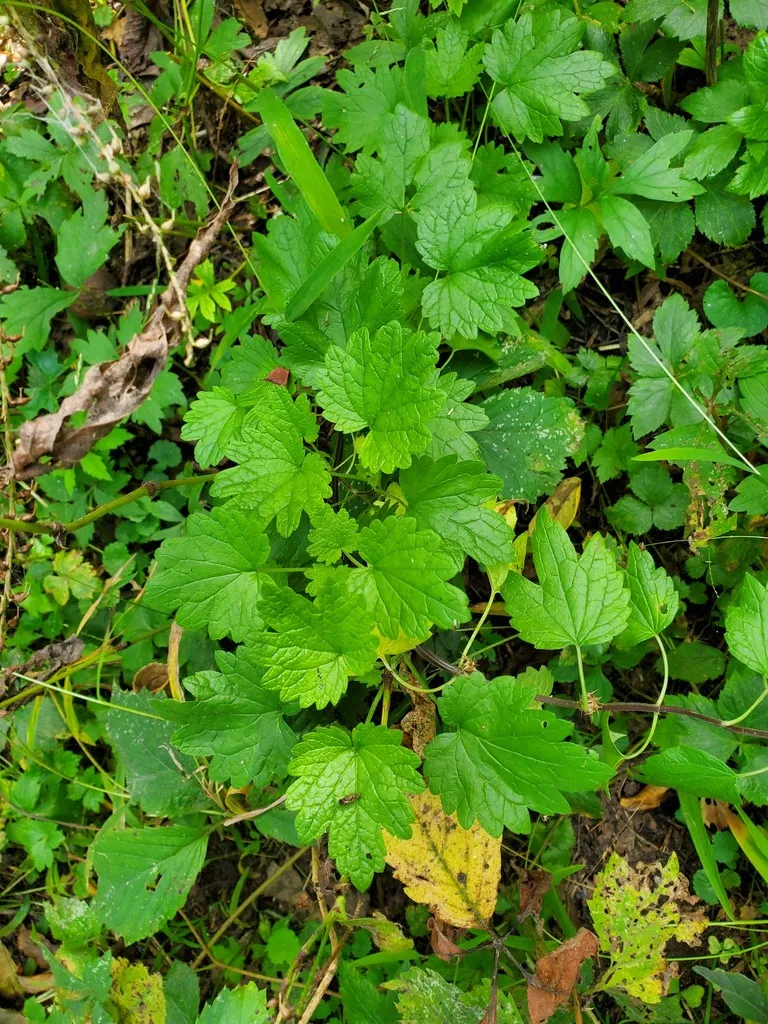
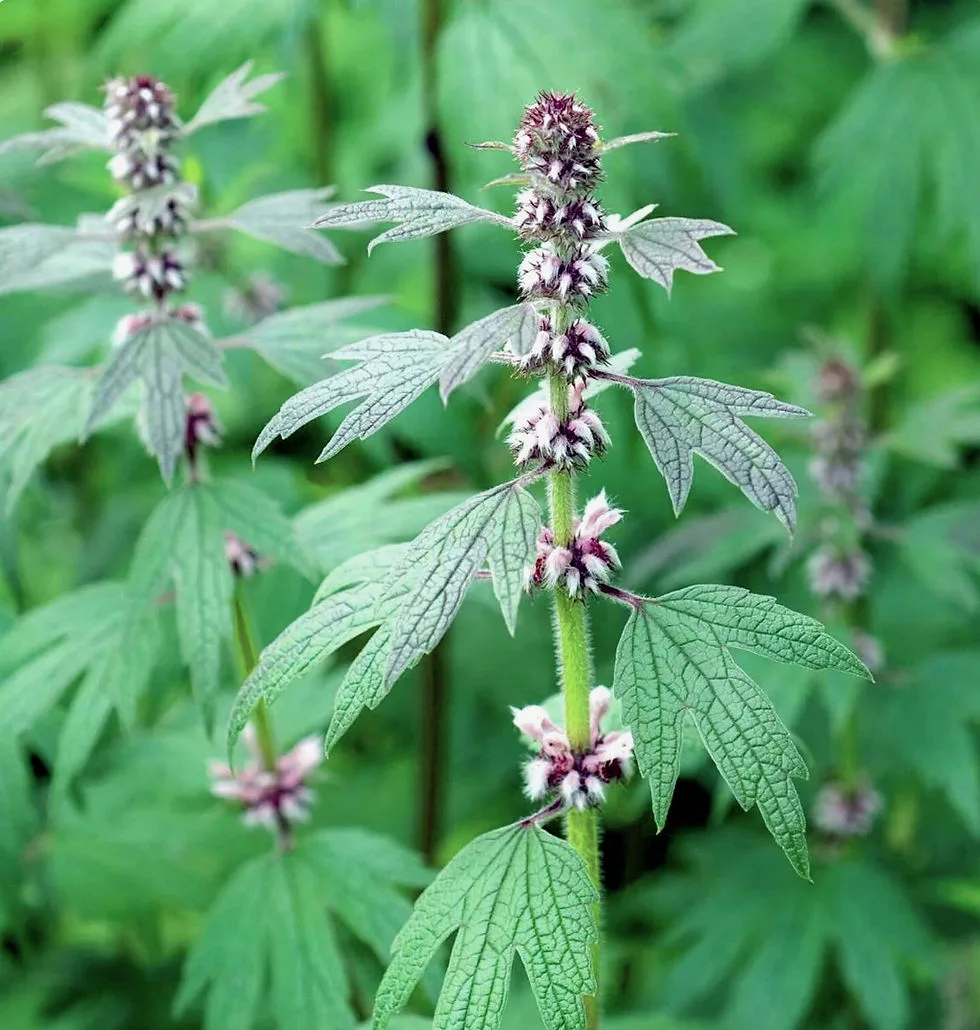
Distribution of cow wort
Distribution map
Europe, from Scandinavia to Northern Spain, Italy and Greece, naturalised in Southern Britain
Information to be completed
Culture
Information to be completed
Toxicity
Information to be completed
Quick identification of cow wort
Information to be completed
cow wort care guide
- Moderate regular watering, avoid prolonged drought and stagnant waterlogging
- Watering
- Partial shade
- Sunlight
- Information to be completed
- Ideal temperature

Watering
Moderate regular watering, avoid prolonged drought and stagnant waterlogging
Fertilizing
 Fertilizing
Balanced perennial feed every four weeks spring through summer growth
Pruning
 Pruning
Cut back after flowering
Propagation
 Propagation
Prefers well-drained, poor soil but wiill grow almost anywhere and can cope with heavy soils
Growing
 Growing
Information to be completed
People also ask
Information to be completed
Common pests and diseases
Diseases
Generally disease-free
Pests
Generally pest-free
Explore the plant health library →




