
woolly tea tree
Also known as: Australian tea tree
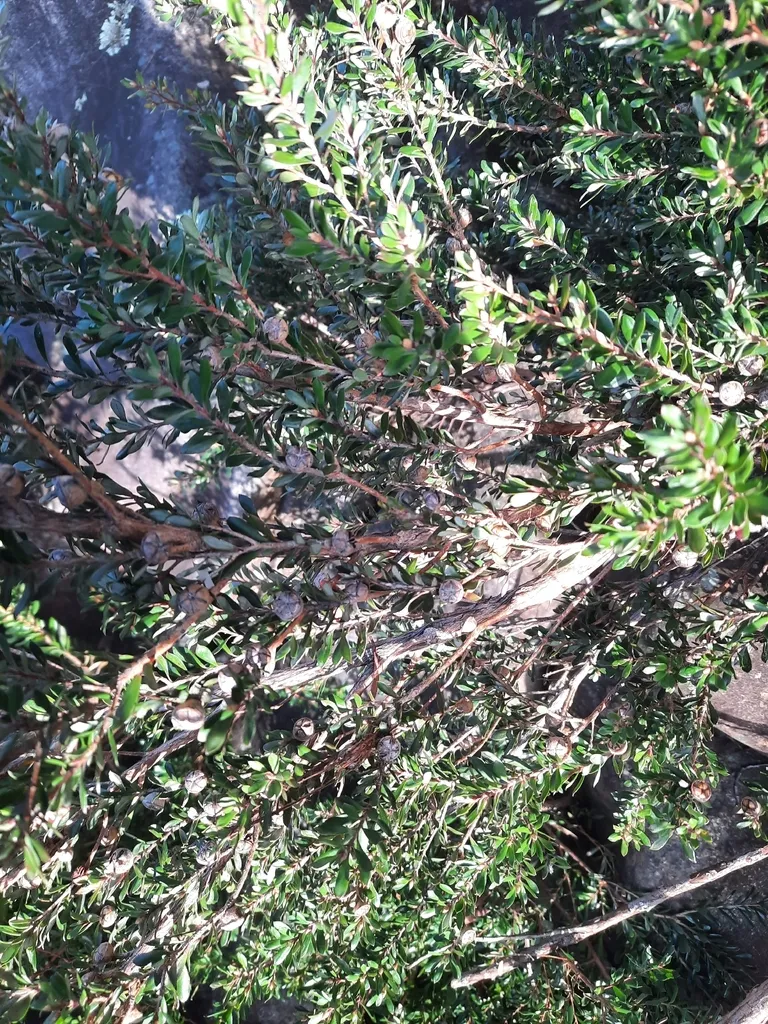
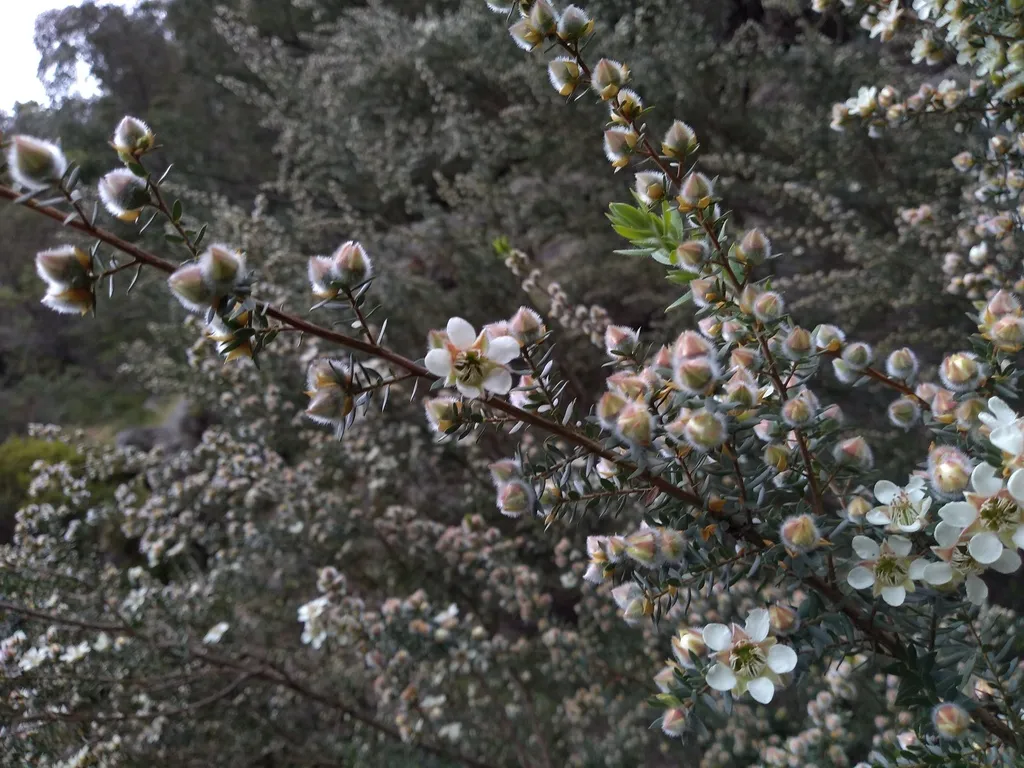
An upright, half-hardy, evergreen shrub to 5m in height, with green, sometimes red-flushed stems and small, silky-hairy, grey-green leaves, aromatic when crushed. Solitary white flowers with red-brown markings, to 2cm across, are produced in late spring to summer
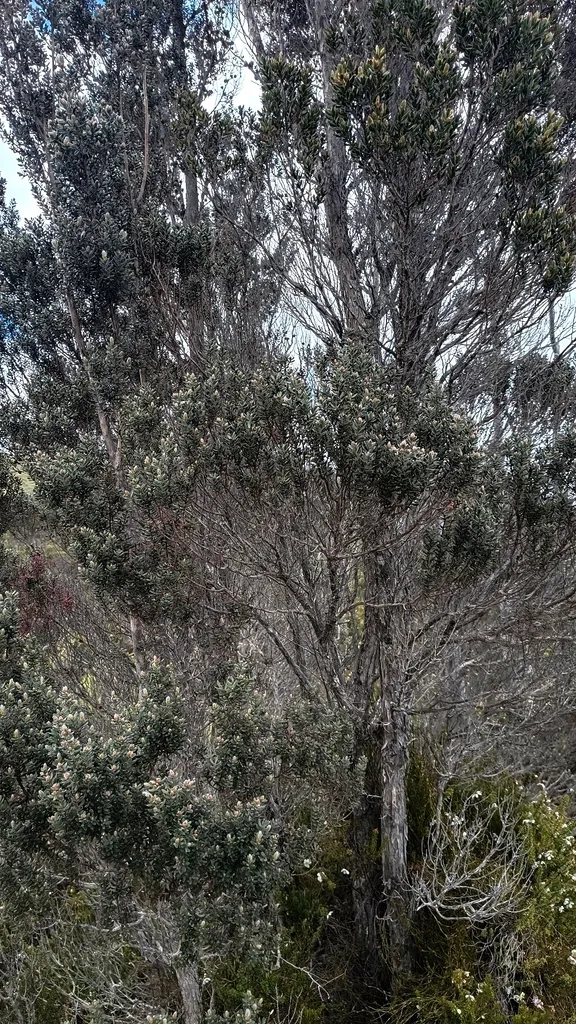
Scientific classification
- Species
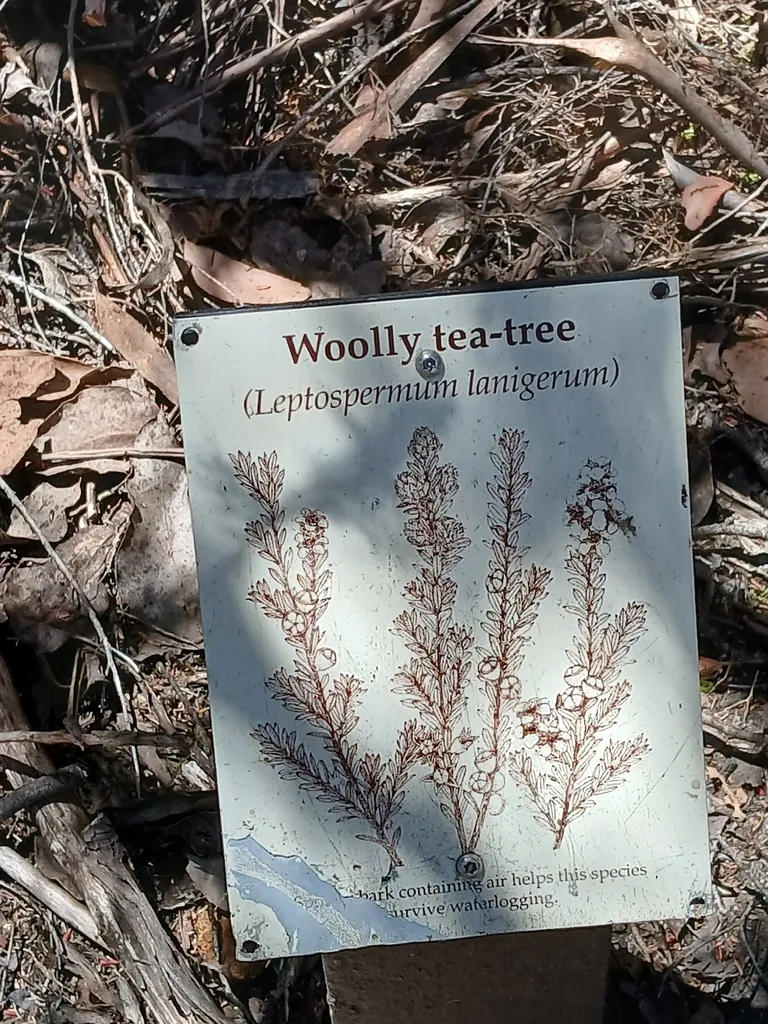
- woolly tea tree (Leptospermum lanigerum)
- Genus
- Leptospermum
- Family
- Myrtaceae
- Information to be completed
- Toxicity
- Shrubs
- Plant type
- 2.5-4 metres
- Height
- 2.5-4 metres
- Spread
- Evergreen
- Foliage
- Bushy
- Habit
- Spring · Summer · Autumn · Winter
- Season of interest
- Full sun · Partial shade
- Sunlight
- Information to be completed
- Ideal temperature









woolly tea tree pictures
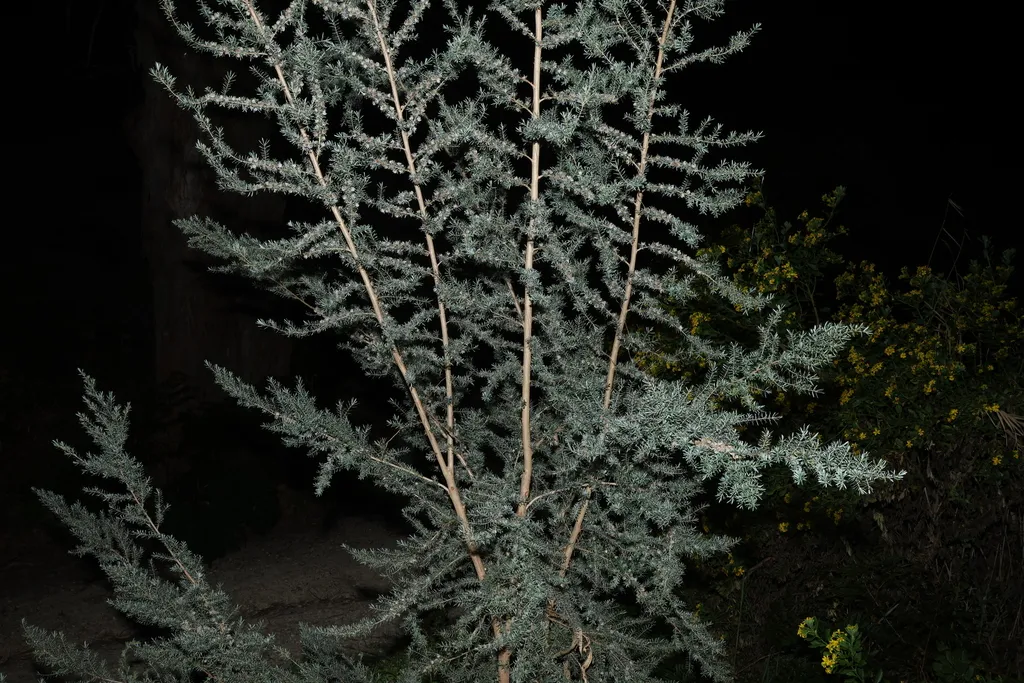
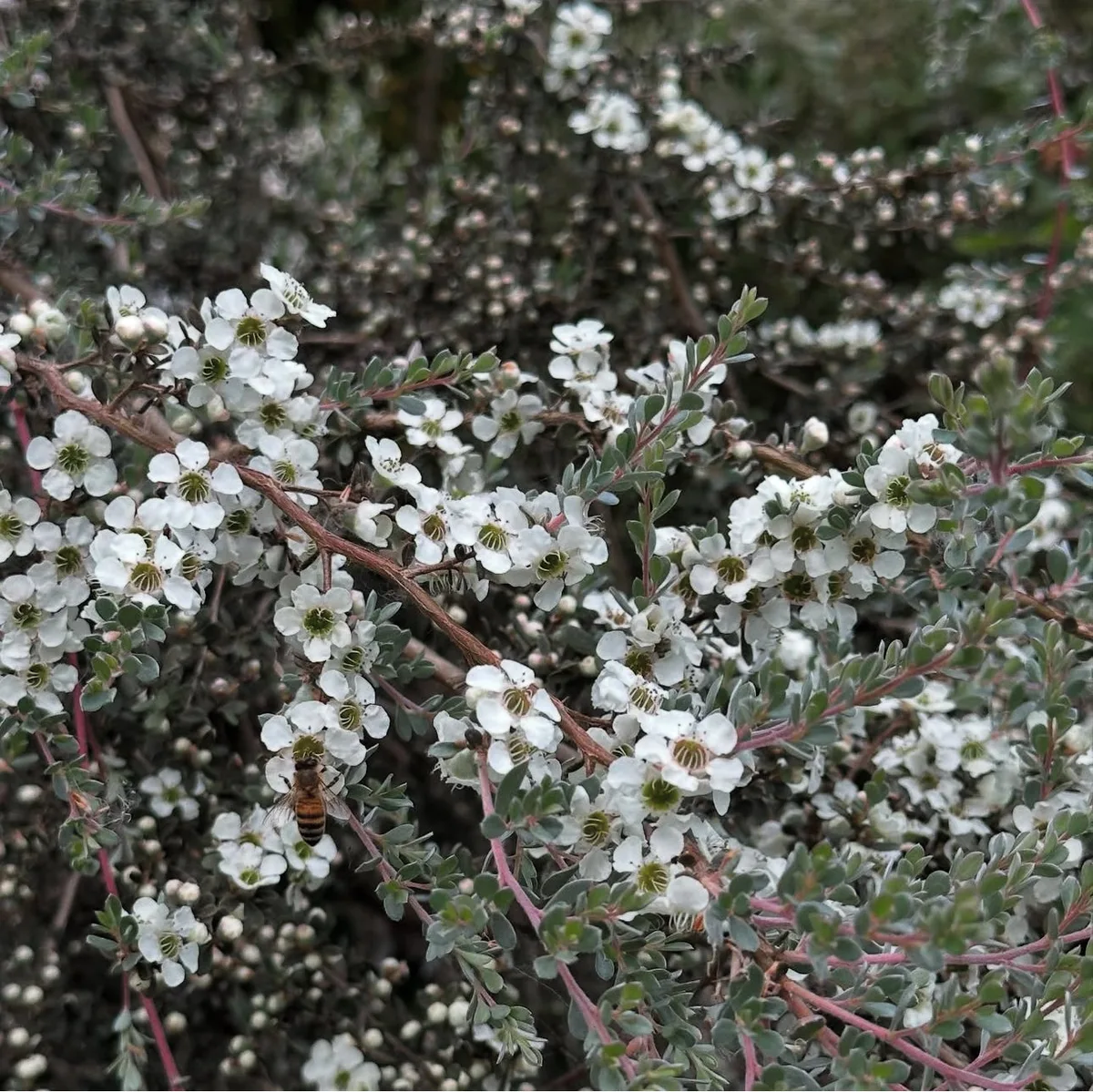
Distribution of woolly tea tree
Distribution map
E and Southeastern Australia
Information to be completed
Culture
Information to be completed
Toxicity
Information to be completed
Quick identification of woolly tea tree
Information to be completed
woolly tea tree care guide
- Moderate watering while young, mature shrubs withstand dry conditions
- Watering
- Full sun · Partial shade
- Sunlight
- Information to be completed
- Ideal temperature

Watering
Moderate watering while young, mature shrubs withstand dry conditions
Fertilizing
 Fertilizing
Slow-release native shrub fertilizer applied once each early spring
Pruning
 Pruning
Usually little pruning is needed. Lightly shape if necessary, removing dead, damaged or diseased shoots. Prune after flowering.
Propagation
 Propagation
Propagate by semi-ripe cuttings, with bottom heat.
Growing
 Growing
Grow in a sheltered, sunny position in full sun. Not hardy below -0.5°C
People also ask
Information to be completed
Common pests and diseases
Diseases
May be susceptible to honey fungus (rarely)
Pests
Generally pest-free
Explore the plant health library →




