
bird's foot trefoil
Also known as: bird's foot clover; bloomfel; butter-jags; cheesecake grass; cross toes; crow's foot; crowtoes; fingers and thumbs; fingers and toes; ground honeysuckle; lamb's cress; lamb's toes; sheep foot; shoes and stockings; bird's eyes; cat in clover; eggs and bacon; lady's fingers; lady's slipper
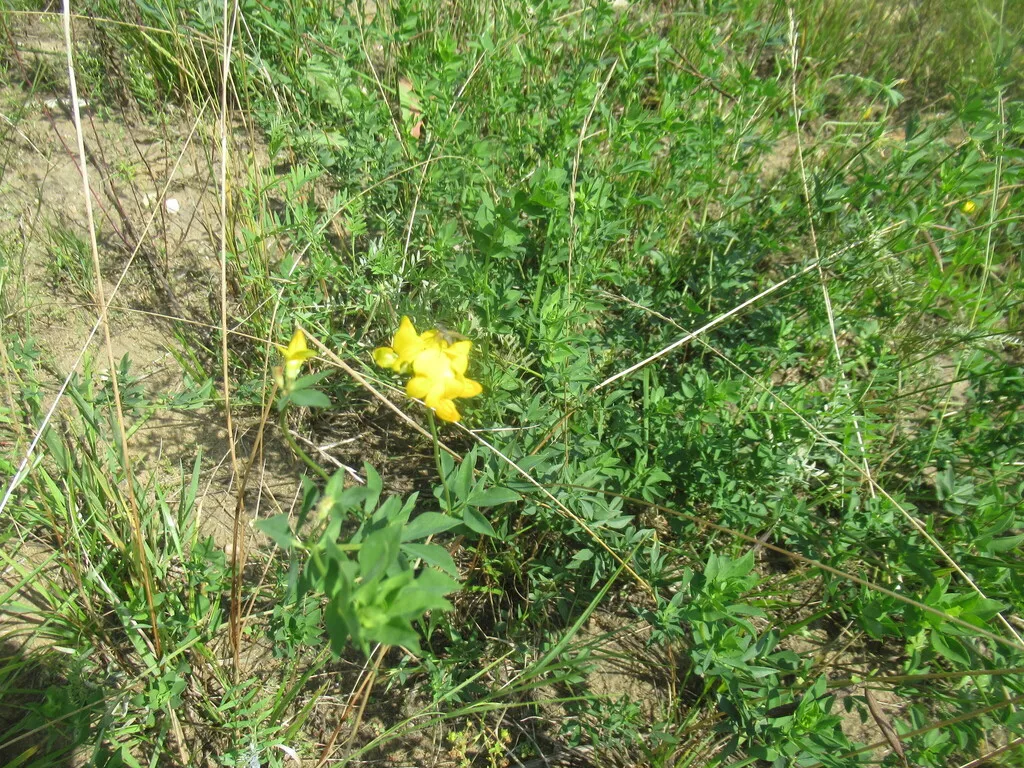
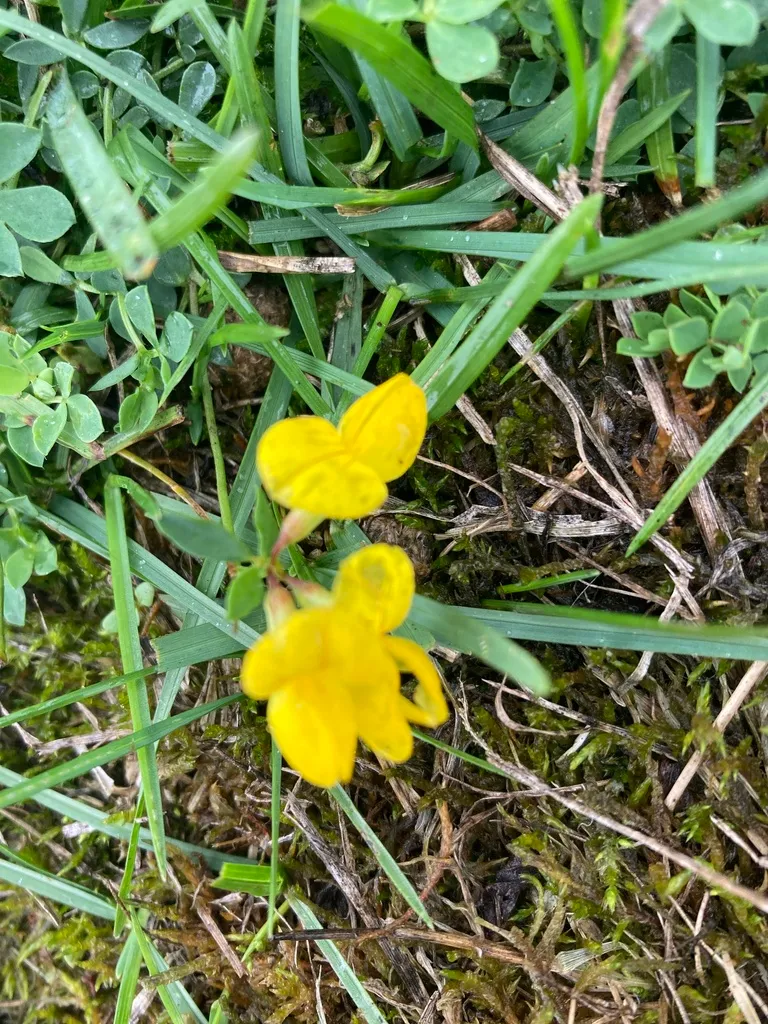
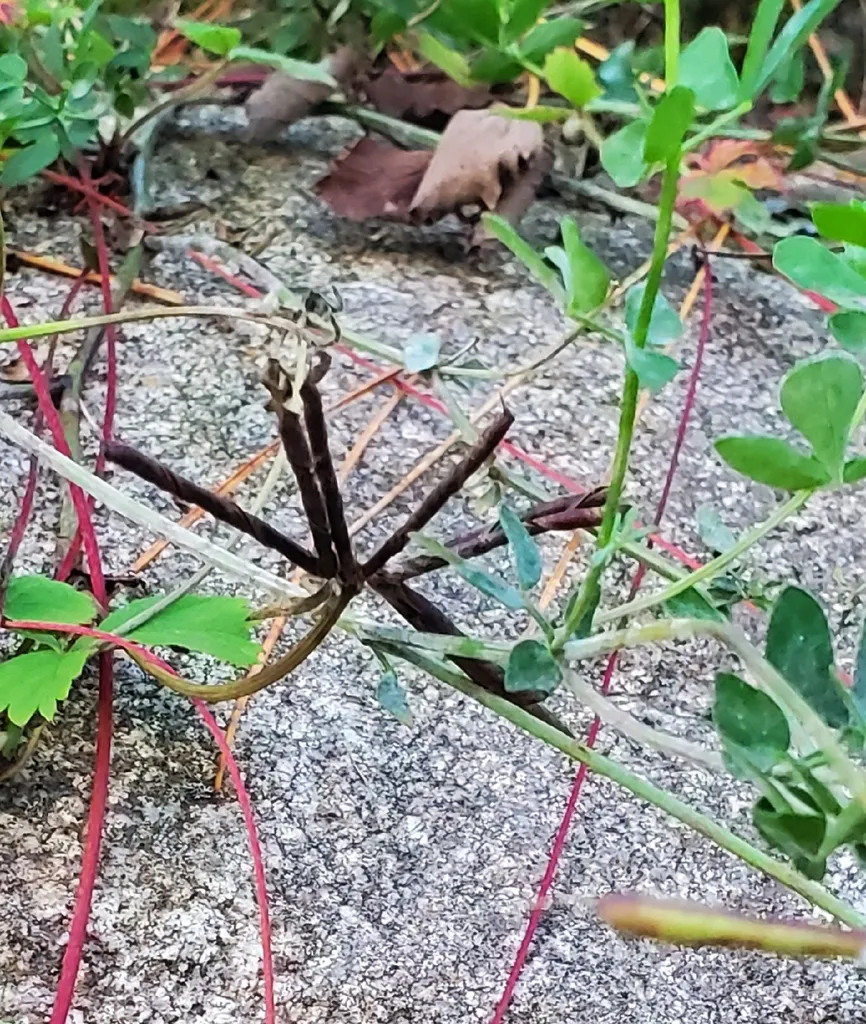
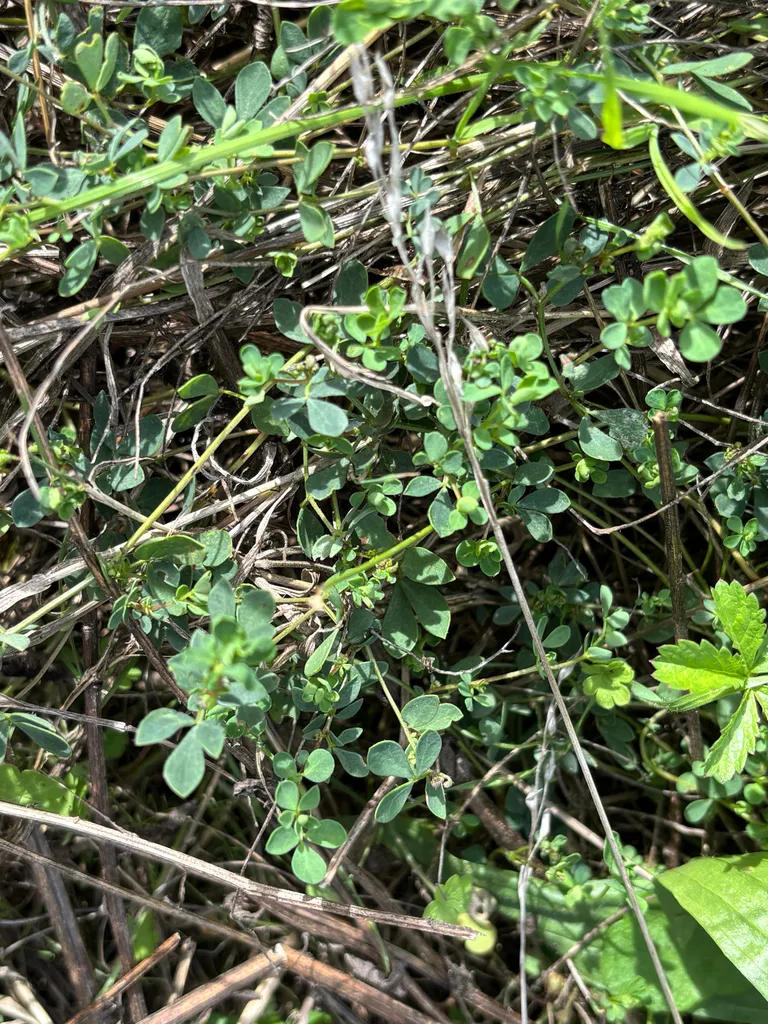
L. corniculatus is a perennial of lax habit reaching up to 20cm in height. Leaves are held in groups of 5, with one pair below a terminal trio. Yellow-coloured pea flowers emerge from heads of red-tinged buds from late spring to early autumn. Seed pods are long and slim. A good source of nectar for bees and a larval food source for some moths
Scientific classification
- Species
- bird's foot trefoil (Lotus corniculatus)
- Genus
- Lotus
- Family
- Fabaceae
- Information to be completed
- Toxicity
- Herbaceous Perennial
- Plant type
- 0.1-0.5 metres
- Height
- 0.1-0.5 metres
- Spread
- Deciduous
- Foliage
- Bushy
- Habit
- Spring · Summer · Autumn
- Season of interest
- Full sun
- Sunlight
- Information to be completed
- Ideal temperature









bird's foot trefoil pictures
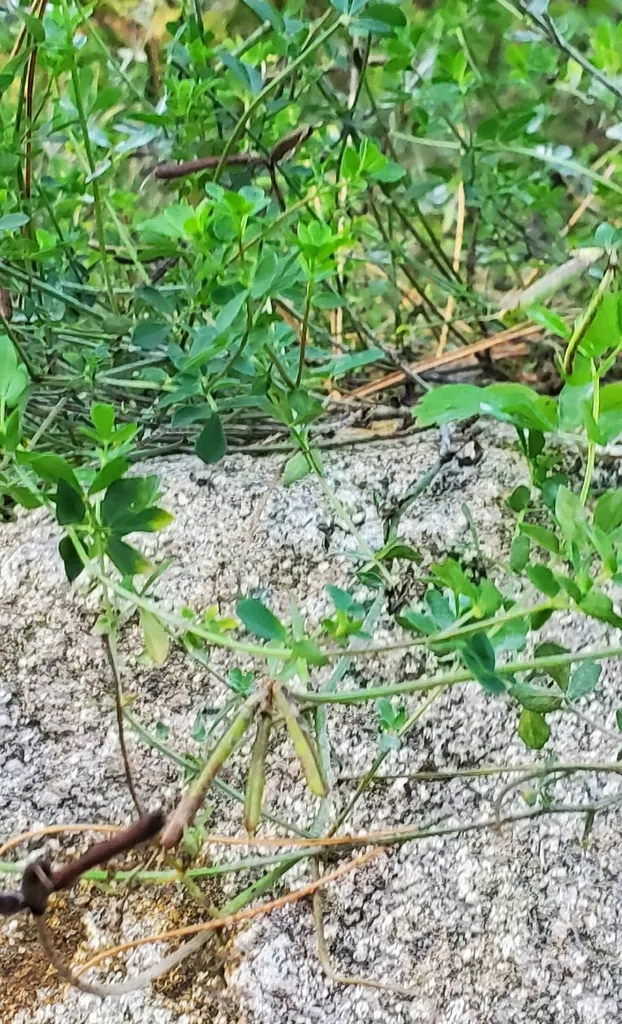
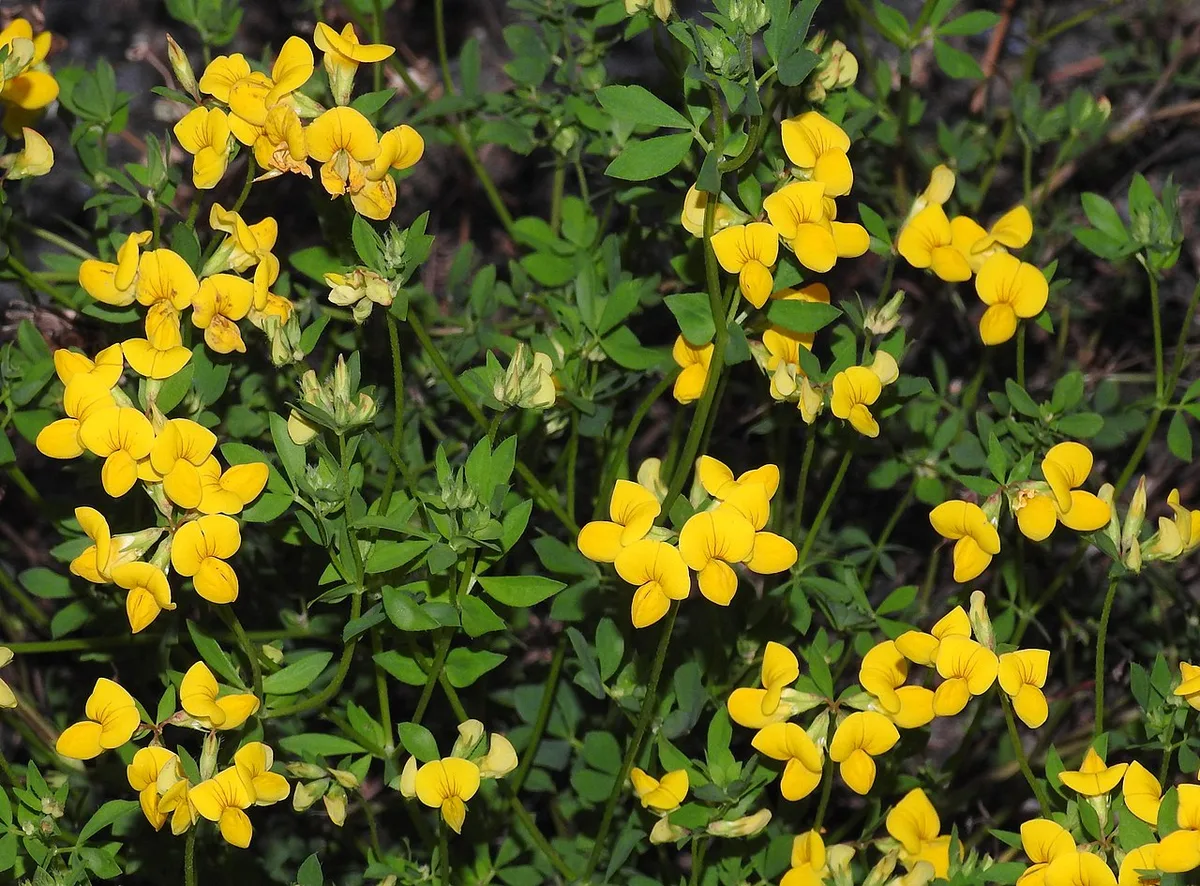
Distribution of bird's foot trefoil
Distribution map
- Native
- Introduced
- Cultivated
Locally extinct or doubtful records are excluded from native and introduced layers.
Source:WCVP v16 · Royal Botanic Gardens, Kew · CC BY 3.0 · Boundaries:WGSRPD / TDWG
Culture
Information to be completed
Toxicity
Information to be completed
Quick identification of bird's foot trefoil
Information to be completed
bird's foot trefoil care guide
- Moderate regular watering, avoid prolonged drought or waterlogging
- Watering
- Full sun
- Sunlight
- Information to be completed
- Ideal temperature

Watering
Moderate regular watering, avoid prolonged drought or waterlogging
Fertilizing
 Fertilizing
Balanced feed in spring and light repeat in growth season
Pruning
 Pruning
None required
Propagation
 Propagation
Propagate by seed sown all year round
Growing
 Growing
Grows in grassy places in sun and well-drained conditions. Intolerant of high levels of nitrogen
People also ask
Information to be completed
Common pests and diseases
Diseases
Usually trouble free
Pests
Usually trouble free
Explore the plant health library →




