
Planting and Growing Cosmos Flowers
Learn how to plant, grow, and care for cosmos flowers—colorful annuals that attract pollinators and thrive in poor soil. Tips from 原刊!
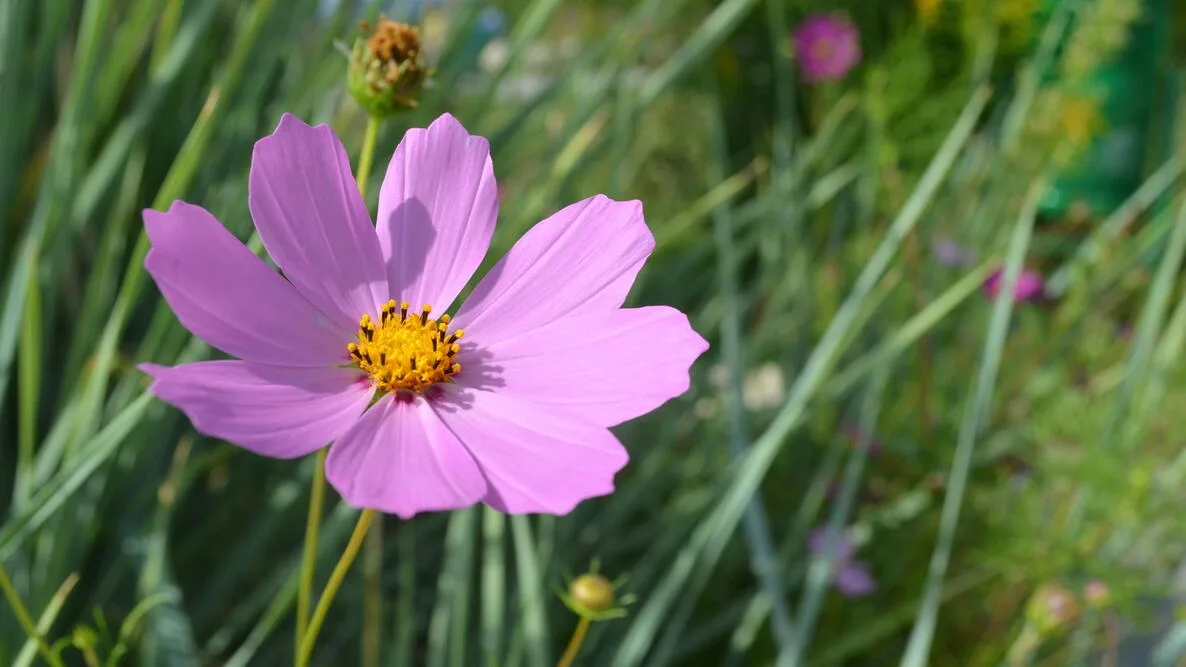
Cosmos are the carefree superstars of the summer garden! With their daisy-like blooms and whimsical, wiry stems, they bring color, charm, and pollinators to even the poorest soils.
Whether you’re sowing a cottage garden or filling a cutting bed, cosmos bloom with ease and attitude. Here’s how to grow them like a pro!
“A member of the Asteraceae family and native to Mexico, this beautiful, flowering plant is also known as Mexican aster,” explains Oregon State University. Cosmos will produce 3- to 5-inch daisy-like flowers in various colors, including pink, orange, red, yellow, white, and maroon. Their saucer- or cup-shaped flower heads sit atop stems that grow up to 4 feet tall.
Cosmos grow in both beds and containers—and they also make excellent cut flowers and are wonderful additions to a cutting garden.
Planting
When to Plant Cosmos
- Direct-sow seeds outdoors once the danger of frost has passed.
- Alternatively, sow seeds indoors 4 to 6 weeks before your last spring frost date in trays or pots with a good seed-starting mixture. Move them into 5-inch pots as soon as they’re 3 or 4 inches tall.
- Young plants (transplants) can be planted outdoors once the danger of frost has passed.
Where to Plant Cosmos
The soil should be well-draining, but other than that, cosmos don’t need any special soil preparation. In fact, they like soil that is not too rich, as rich soil will encourage foliage at the expense of blooms. Cosmos are also tolerant of most soil pH levels but grow best in neutral to alkaline soils (pH of 7.0-7.5).
Cosmos can tolerate warm, dry weather very well. They are even drought-tolerant.
How to Plant Cosmos
- Just sow seeds lightly—no more than 1/4-inch deep.
- Thin to 12–18 inches apart when seedlings are a few inches tall. Depending on the variety, cosmos can grow anywhere from 18 to 60 inches tall, so plan accordingly.
- If you are growing cosmos from seeds, be mindful that it takes about 7 weeks to first bloom. After that, your flowers should continue to bloom until the first fall frost.
- If you let the spiky-brown seed heads blow away during the fall, cosmos are likely to self-sow throughout your garden.

Growing
Watering
Water regularly until plants are established or if it is unusually dry. According to the North Carolina Extension, “Be cautious not to overwater your plants. That and over-fertilizing can lead to the plant producing fewer flowers.”
Cosmos can tolerate dry soil, even in a hot, arid, sunbaked spot.
Deadheading
To prolong flowering, you should deadhead the plants (prune off dead/faded flowers). This speeds up flower development and aids branching.
Supporting Cosmos
Because some of these plants can grow really tall, staking may be necessary. Offer them protection from strong winds, encourage balanced branching by pinching out (aka pruning) central shoots or stem tips, or stake them. Growing them against a fence can also provide the necessary support.
Seasonal Care
Cosmos beds may become weedy due to the fact that they self-seed, so remember to remove flowers before they go to seed or to thin seedlings in the spring.

Harvesting
Harvesting Seeds and Cut Flowers
- To harvest more seeds, remember to leave a few flowers on the plant because they will self-seed.
- You can cut the flowers off anytime after blooming, but it’s best to pick some right when the petals have opened.
- If you cut the blossoms when they first open, they’ll last more than a week in water. Strip off the lower leaves and put them in a vase.

Pests and Problems
- Stem canker
- Powdery mildew
- Gray mold
- Aphids
Types
- ‘Picotee’ has pretty white flowers with a crimson border around the edge of the flower (some are also flecked in crimson).
- ‘Sea Shells’ have white, pink, or red tube-shaped petals.
- ‘Purity’ is a beautiful, classic, white flower that looks spectacular growing against the dark-maroon ‘Niger’ hollyhock or purple basil.
- ‘Cosmos Sonata Series’ looks especially good with Bells of Ireland.
- ‘Chocolate’ cosmos adds distinction to a white campanula, dianthus, or ‘Moonshine’ achillea.
- Tall cosmos are best for the back of the garden and filling in mixed borders among perennials such as foxgloves, phlox, delphiniums, and daisies, as well as annuals such as poppies, cleome, and asters.
- Dwarf cosmos, such as the Ladybird series, are great companions for zinnias, Johnny jump-ups, pansies, alchemilla, or dark-blue morning glory.
Wit and Wisdom
The genus name was derived from the Greek word kosmos, which means order or orderly arrangement.
- Cosmos is one of the October birth flowers.