



Planting and Growing sweet william

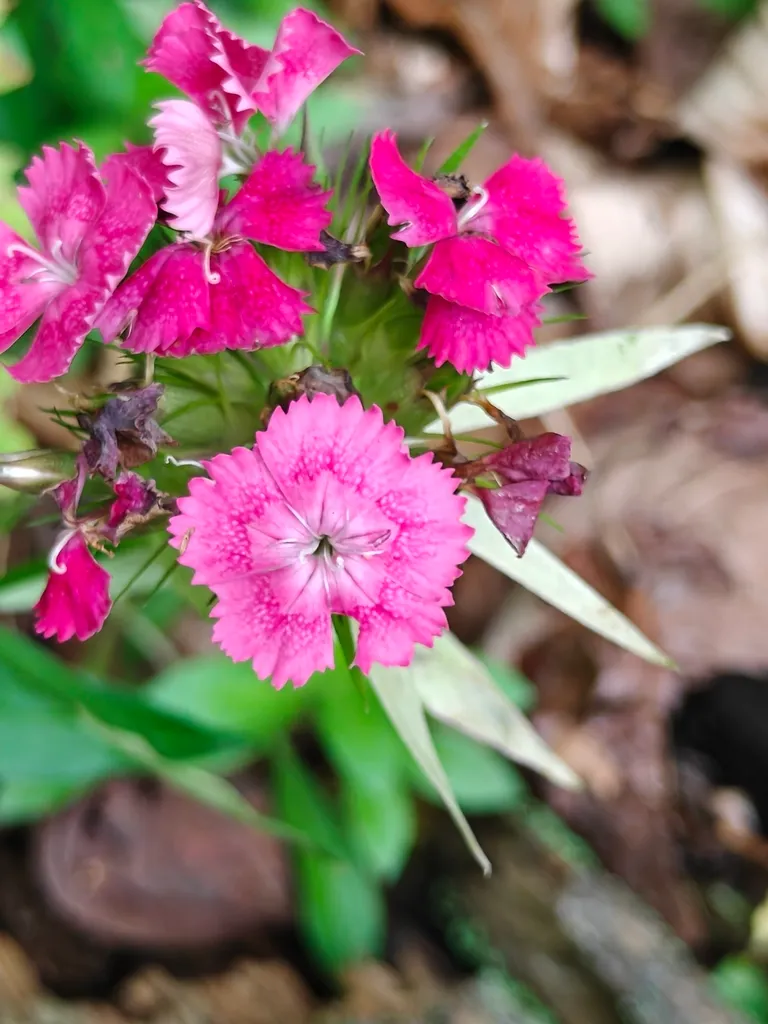

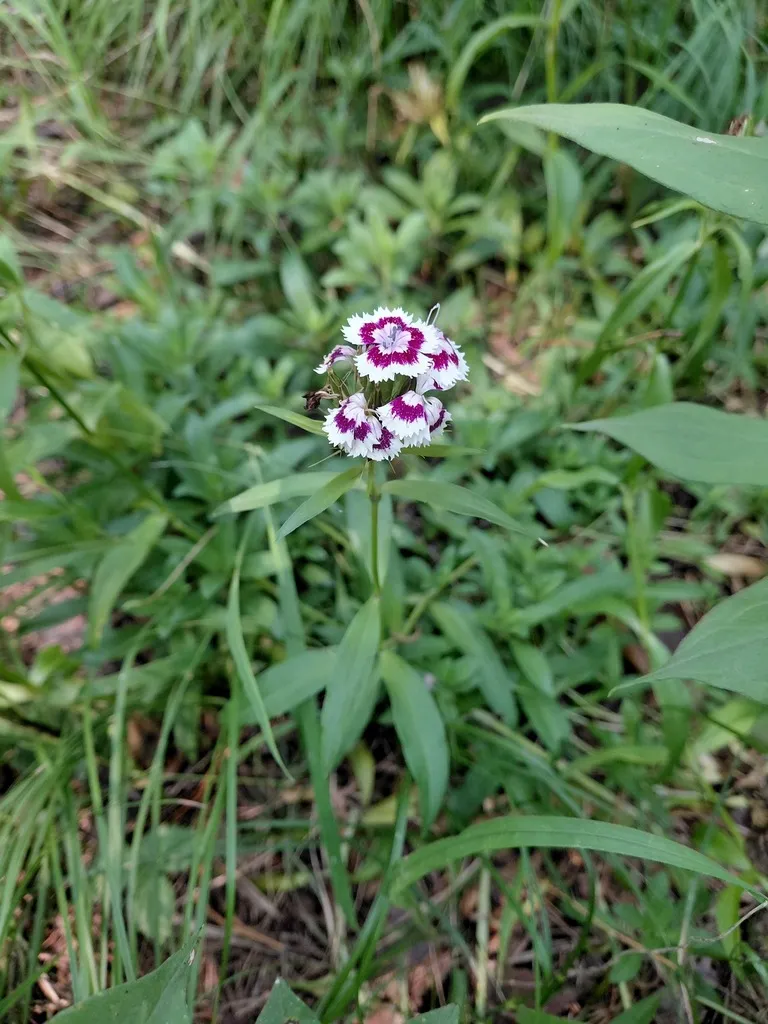
| Care difficulty | 2 / 5 |
|---|---|
| Watering schedule | Water moderately, allow soil to dry slightly between waterings |
| Sunlight requirements | Full sun |
| Ideal temperature | 15 – 25 °C |
| Soil type | Loam · Sand |
| Soil pH | Alkaline · Neutral |
| Soil moisture | Well drained |
| Fertilizing | Every 4 weeks during growing season |
| Toxicity | Skin allergen, wear gloves and other protective equipment when handling] |
How to Water sweet william?
Originating from the edges of Europe's woodlands, sweet william thrives in conditions that mimic its native environment with moderate moisture. It has adapted to be relatively drought-tolerant but appreciates consistent hydration, aligning with watering every week. Cultivation should reflect a balance between allowing the soil to dry slightly and maintaining slight dampness. Typically grown outdoors due to its flowering nature, sweet william benefits greatly from rainwater during its active growing season, which promotes robust blooms and healthy foliage.
Learn more →What Are the Sunlight Requirements for sweet william?
Sweet william thrives in conditions where it can bask in full sunlight, ensuring robust growth and prolific flowering. The intensity and uninterrupted duration of light play crucial roles in the plant's health. While it enjoys a generous sunbath, sweet william also possesses a commendable tolerance for partial sun environments. In such conditions, though the blooms may be less abundant, the plant maintains its vitality. Adaptable in nature, sweet william can adjust its foliage to optimize light absorption. When cultivated outdoors, a spot that receives ample morning light is ideal. For indoor growers, placing sweet william near a sunny window will simulate its preferred habitat, fostering its vibrant charm and colorful blossoms.
Learn more →What Is the Ideal Temperature Range for sweet william?

Sweet william demonstrates notable resilience to a broad temperature range, tolerating cold down to 0℃ (32℉) and heat up to 38℃ (100℉). This adaptability makes sweet william suitable for various climates, though extreme temperatures require attention. In cold conditions below 0℃, sweet william may exhibit wilting or discoloration, while heat above 38℃ can cause leaf scorch and reduced blooming. Protective measures, such as mulching in cold weather and providing shade or watering during intense heat, are crucial for its care. Ensuring proper acclimatization and monitoring can prevent stress and keep sweet william thriving in diverse environments.
Learn more →What Soil Is Best for sweet william?
Sweet william prefers to be planted in well-drained, fertile soil. A neutral to alkaline pH soil such as chalk or loam is best for growing. The plant's tolerance against drought makes it popular amongst beginner gardeners, as it can survive with minimal effort or strict watering regime. However, it will not flourish under poor drainage. For this reason, it's best to add extra drainage in the form of horticultural grit or sand to your soil if you are gardening in an area with heavy clay soil or where the water table is particularly high and the soil is likely to become wet and compacted during the winter months.
- Soil type
- Loam · Sand
- Soil pH
- Alkaline · Neutral
What Are the Moisture Requirements for sweet william?
Well drained
Learn more →How to Fertilize sweet william?

For healthy growth, sweet william thrives with balanced fertilizers (like a 10-10-10 mix) in its growing season, spring through summer. Periodic application every 4-6 weeks promotes robust blooms. During planting, a high phosphorus blend ensures sturdy root development. Apply sparingly; over-fertilization can harm sweet william. Adjust fertilization in dormancy, reducing frequency. Use a light hand; a quarter cup per square yard suffices. It's paramount to avoid fertilizer contact with foliage to prevent burn.
Learn more →How to Prune sweet william?

This biennial plant boasts clusters of vibrant flowers. For optimal growth, prune sweet william in early to late spring. Remove spent blooms and dead stems to promote healthier growth and more blooms. Trim back to a pair of healthy leaves or buds. Pruning not only maintains shape but also prevents disease. Regular maintenance encourages renewed growth and bloom cycles. Referencing reputable horticultural guidelines ensures effective care.
Learn more →How to Propagate sweet william?

A popular ornamental, sweet william is typically propagated through cuttings to ensure genetic consistency. For successful rooting, use healthy, non-flowering shoots. Cut sections with at least two nodes and dip in rooting hormone for optimal root development. Plant in a well-drained soil mix and maintain consistent moisture without waterlogging. Provide indirect light and gentle warmth to foster growth, ensuring a stable environment that avoids extreme changes.
Learn more →How to Transplant sweet william?
The perfect time to transplant sweet william is during the late spring transition into early summer, as the plant thrives in warmer weather. Ideal conditions include a sunny location with well-drained soil. Be gentle when transplanting to ensure successful growth.
Learn more →How to Plant sweet william?
Indoors-potted: Thriving indoors, sweet william appreciates cooler temperatures and good air circulation to mimic its natural alpine origins. Outdoors-potted: In outdoor pots, sweet william prefers elevation; consider a hanging planter to facilitate drainage and deter pests common at ground level. Outdoors-in the ground: Sweet william, while adaptable, may struggle in hot climates without afternoon shade or if planted in low-lying, water-retentive spots.
Learn more →How to Repot sweet william?
Repot sweet william, a compact non-climbing flowering perennial, during spring every 2-3 years to accommodate its growth. Choose a pot one size larger with good drainage. After repotting, water thoroughly and place in bright, indirect light to encourage recovery. Sweet william appreciates consistent moisture but avoid overwatering for optimal health.
Learn more →Common Pests & Diseases

Diseases
May be susceptible to powdery mildews, a rust, a virus and fusarium wilt
Pests
May be susceptible to slugs and aphids
Explore the plant health library →Troubleshooting
Leggy Stems, Sparse Flowering, or Root Rot
sweet william (Dianthus barbatus) performs best in well-drained soil with appropriate sunlight and regular deadheading; soggy soil rots roots, while low light or skipped pinching causes leggy growth.
| What you notice | Possible explanation | What to check next |
|---|---|---|
| Stems stretch tall and floppy with sparse blooms | Insufficient direct sunlight, lack of early-season pinching/deadheading, or excess high-nitrogen fertilizer | Assess daily sun hours and check whether spent flowers are left to set seed |
| Lower leaves turn yellow and plant wilts while soil stays wet and heavy | Root or stem rot from overwatering or poor drainage (May be susceptible to powdery mildews, a rust, a virus and fusarium wilt) | Check soil drainage and ensure containers have open drainage holes |
- Grow in fertile, well-drained soil in full sun, spacing plants for good airflow.
- Water consistently without waterlogging: Water moderately, allow soil to dry slightly between waterings.
- Maintain compact flowering growth: Deadhead as required.
Stop watering waterlogged containers immediately and improve drainage before fungal root or stem rot spreads.
Powdery Mildew, Rust, or Aphids and Slugs
Crowded foliage, dry root stress, or damp stagnant air can trigger mildew or rust on sweet william (Dianthus barbatus), while tender shoots attract pests.
| What you notice | Possible explanation | What to check next |
|---|---|---|
| White powdery coating or rusty/dark spots on leaves in humid or drought-stressed beds | Fungal disease (May be susceptible to powdery mildews, a rust, a virus and fusarium wilt) | Inspect lower leaves and spent blooms and check plant spacing |
| Distorted shoot tips with aphids, or ragged holes chewed in young leaves | Common pests (May be susceptible to slugs and aphids) | Check shoot tips, leaf undersides, and damp ground around the crown |
- Water at the base of the plant early in the day rather than overhead, and divide congested clumps in spring or autumn every 2–3 years.
- Remove diseased leaves and faded flowers promptly, and clear plant debris at season's end.
- Manage aphids with a firm water spray or insecticidal soap per label directions, and protect young shoots from slugs.
Protect frost-tender tubers or half-hardy bedding indoors or under glass before autumn frosts.
The Toxicity of sweet william
Skin allergen, wear gloves and other protective equipment when handling]