



Planting and Growing border carnation

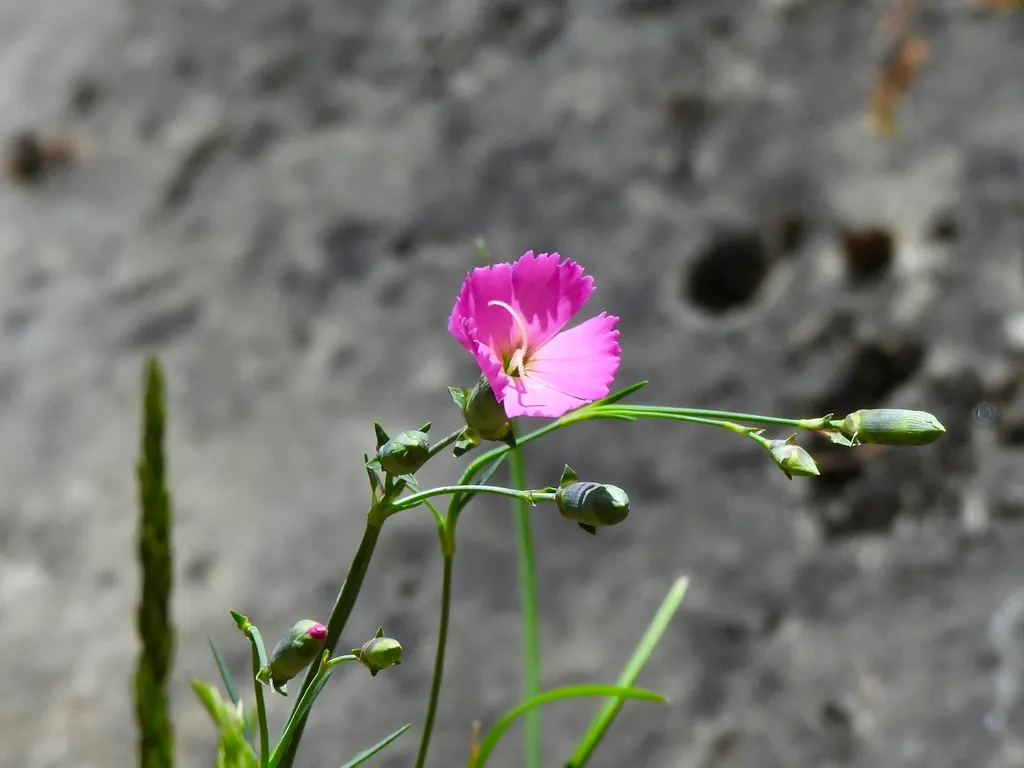
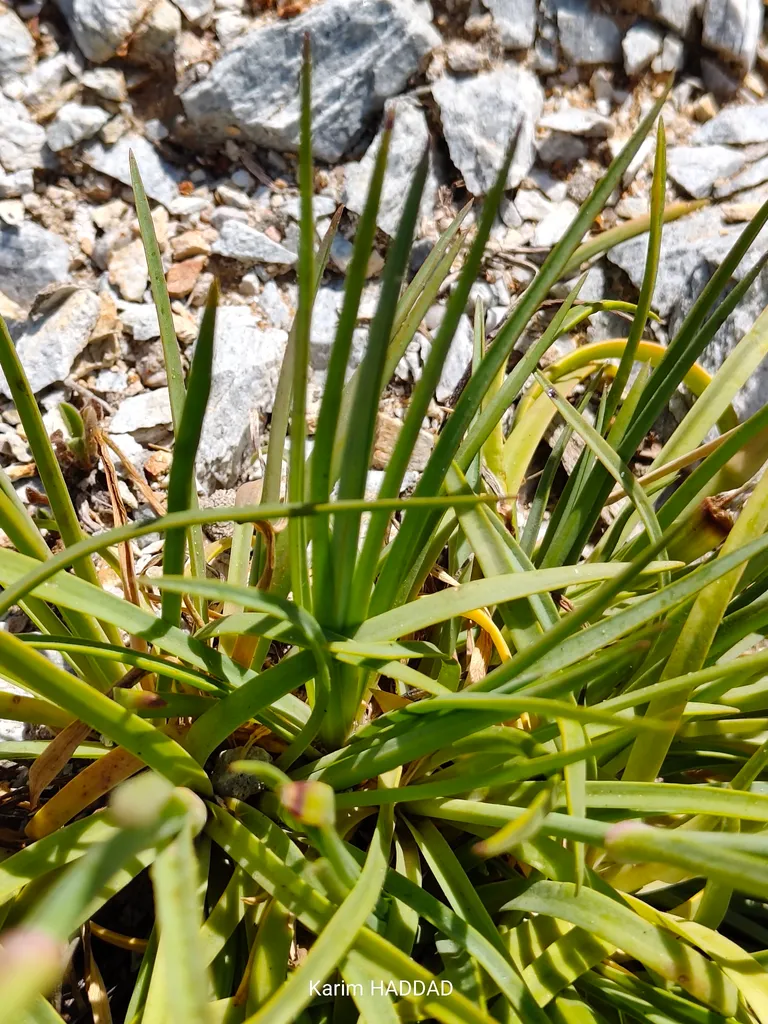
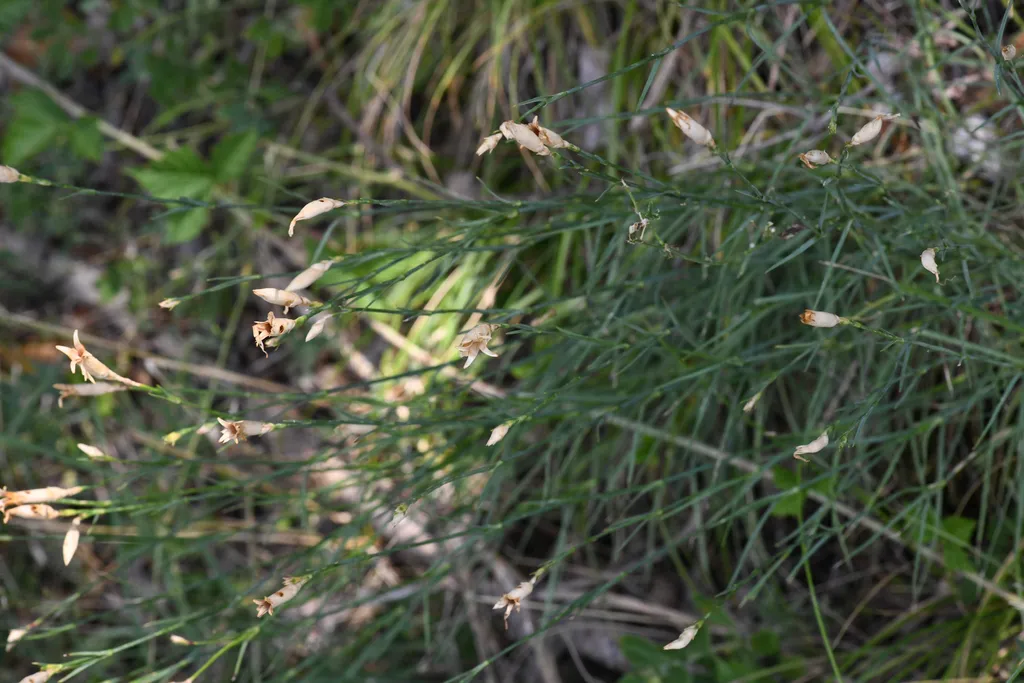
| Care difficulty | 3 / 5 |
|---|---|
| Watering schedule | Moderate regular watering, allowing brief slight drying between soakings |
| Sunlight requirements | Full sun |
| Ideal temperature | 15 – 25 °C |
| Soil type | Loam · Sand · Chalk |
| Soil pH | Neutral · Alkaline |
| Soil moisture | Well drained |
| Fertilizing | Balanced perennial feed every four weeks from spring through summer |
| Toxicity | Skin allergen, wear gloves and other protective equipment when handling] |
How to Water border carnation?
Originating from a Mediterranean climate, carnation thrives with moderate moisture and can tolerate brief dry spells. These plants prefer consistent watering to mimic their native habitat's conditions, leaning towards a balance that avoids over-saturation. Watering every week is ideal for maintaining their health. Transitioning smoothly from water habits to care, it's important to ensure the soil drains well to prevent root rot in carnation. As predominantly outdoor plants, carnation's growth cycle is significantly influenced by rainfall patterns, requiring less supplemental watering during periods of frequent rain.
Learn more →What Are the Sunlight Requirements for border carnation?
Carnation thrives best in full sun, necessitating at least six hours of direct sunlight daily to foster robust growth and vibrant blooms. While ideally suited to bright conditions, carnation also demonstrates an adaptive tolerance to partial sun. In such environments, though flower production may diminish, the plant still maintains its health but with potentially less vigor and a lower bloom count. In outdoor settings, carnation should be planted in a location that guarantees ample morning sunlight and some afternoon shade, especially in hotter climates. This positioning helps in optimizing both growth and flowering capabilities.
Learn more →What Is the Ideal Temperature Range for border carnation?

Carnation demonstrates moderate resilience to temperature variations. It tolerates cold down to 0℃ (32℉) and heat up to 38℃ (100℉). This adaptability makes carnation suitable for climates with mild seasonal extremes. During cold spells, frost protection like mulching or covering may be necessary, while shading and adequate watering help in extreme heat. Symptoms of temperature stress include yellowing leaves and reduced blooms; frost damage may cause blackened leaves. Countermeasures involve relocating potted plants indoors during cold snaps and ensuring adequate moisture and ventilation during heatwaves.
Learn more →What Soil Is Best for border carnation?
Carnation prefers to be planted in well-drained, fertile soil. A neutral to alkaline pH soil such as chalk or loam is best for growing. The plant's tolerance against drought makes it popular amongst beginner gardeners, as it can survive with minimal effort or strict watering regime. However, it will not flourish under poor drainage. For this reason, it's best to add extra drainage in the form of horticultural grit or sand to your soil if you are gardening in an area with heavy clay soil or where the water table is particularly high and the soil is likely to become wet and compacted during the winter months.
- Soil type
- Loam · Sand · Chalk
- Soil pH
- Neutral · Alkaline
What Are the Moisture Requirements for border carnation?
Well drained
Learn more →How to Fertilize border carnation?

For carnation, apply balanced nutrition fertilizers monthly during growth for robust health, switching to high phosphorus fertilizers before blooming to enhance blossoms. Adjust quantities based on the plant's response, age, and growing conditions, with less given in dormant periods. Use caution to avoid root burn from over-fertilization. Ensure even application and read fertilizer instructions for optimal results. This targeted feeding promotes vigorous growth and stunning flower displays in carnation.
Learn more →How to Prune border carnation?

Carnation features vibrant, fragrant flowers and is often used in floral arrangements. Prune in early to late spring for optimal growth. Remove any dead or yellowing stems to encourage healthy, new blooms. Pinch off spent flowers to prolong blooming. Avoid heavy pruning after midsummer to prevent stress. Regular pruning increases air circulation, reduces disease risks, and promotes a fuller plant. Always use sterilized tools to prevent infection.
Learn more →How to Propagate border carnation?

Carnation is widely appreciated for its vivid floral display and delightful fragrance. To propagate carnation, utilize cuttings from healthy, disease-free mother plants. Select a vigorous stem with several leaf nodes, snip it just below a node, and remove the lower leaves. Dip the cut end in a rooting hormone to accelerate root development and plant it in a well-draining soil mixture. Ensure consistent moisture and good light exposure without direct midday sun. With proper care, cuttings will establish roots and grow into robust individual plants.
Learn more →How to Transplant border carnation?
The prime time to transplant carnation is between mid-spring and early summer, when temperatures are mild and consistent. Choose a sunny location with well-draining soil for best growth. Gently loosen the root ball before transplanting, if needed, for a smooth process.
Learn more →How to Plant border carnation?
Indoors-potted: Ensure carnation receives ample ambient light indoors to encourage vibrant blooms that are commonly sought after for their ornamental value. Outdoors-potted: When potted outdoors, protect carnation from extreme weather; its delicate petals can be damaged by harsh conditions. Outdoors-in the ground: Plant carnation in a location where it can bask in natural daylight as these flowers thrive best with generous sun exposure.
Learn more →How to Repot border carnation?
Ideal for repotting every 2-3 years, carnation thrives best with a fresh environment to accommodate its moderate growth. Choose early spring before the growth cycle resumes. Select a container slightly larger than the current one, ensuring adequate space without stressing its roots. Post-repotting, keep the soil evenly moist and provide bright, indirect light to encourage robust health. Follow these steps for a happy, flourishing carnation.
Learn more →Common Pests & Diseases

Diseases
May be susceptible to powdery mildews, a rust, a virus and fusarium wilt
Pests
May be susceptible to slugs and aphids
Explore the plant health library →Troubleshooting
Leggy Stems, Sparse Flowering, or Root Rot
border carnation (Dianthus caryophyllus) performs best in well-drained soil with appropriate sunlight and regular deadheading; soggy soil rots roots, while low light or skipped pinching causes leggy growth.
| What you notice | Possible explanation | What to check next |
|---|---|---|
| Stems stretch tall and floppy with sparse blooms | Insufficient direct sunlight, lack of early-season pinching/deadheading, or excess high-nitrogen fertilizer | Assess daily sun hours and check whether spent flowers are left to set seed |
| Lower leaves turn yellow and plant wilts while soil stays wet and heavy | Root or stem rot from overwatering or poor drainage (May be susceptible to powdery mildews, a rust, a virus and fusarium wilt) | Check soil drainage and ensure containers have open drainage holes |
- Grow in fertile, well-drained soil in full sun, spacing plants for good airflow.
- Water consistently without waterlogging: Moderate regular watering, allowing brief slight drying between soakings.
- Maintain compact flowering growth: Deadhead regularly to prolong flowering. Lightly trim after flowering or in spring.
Stop watering waterlogged containers immediately and improve drainage before fungal root or stem rot spreads.
Powdery Mildew, Rust, or Aphids and Slugs
Crowded foliage, dry root stress, or damp stagnant air can trigger mildew or rust on border carnation (Dianthus caryophyllus), while tender shoots attract pests.
| What you notice | Possible explanation | What to check next |
|---|---|---|
| White powdery coating or rusty/dark spots on leaves in humid or drought-stressed beds | Fungal disease (May be susceptible to powdery mildews, a rust, a virus and fusarium wilt) | Inspect lower leaves and spent blooms and check plant spacing |
| Distorted shoot tips with aphids, or ragged holes chewed in young leaves | Common pests (May be susceptible to slugs and aphids) | Check shoot tips, leaf undersides, and damp ground around the crown |
- Water at the base of the plant early in the day rather than overhead, and divide congested clumps in spring or autumn every 2–3 years.
- Remove diseased leaves and faded flowers promptly, and clear plant debris at season's end.
- Manage aphids with a firm water spray or insecticidal soap per label directions, and protect young shoots from slugs.
Protect frost-tender tubers or half-hardy bedding indoors or under glass before autumn frosts.
The Toxicity of border carnation
Skin allergen, wear gloves and other protective equipment when handling]