
sweet william
Also known as: bloomy down; London tufts; oeillet des poètes; tolmeiner; bearded pink; London pride
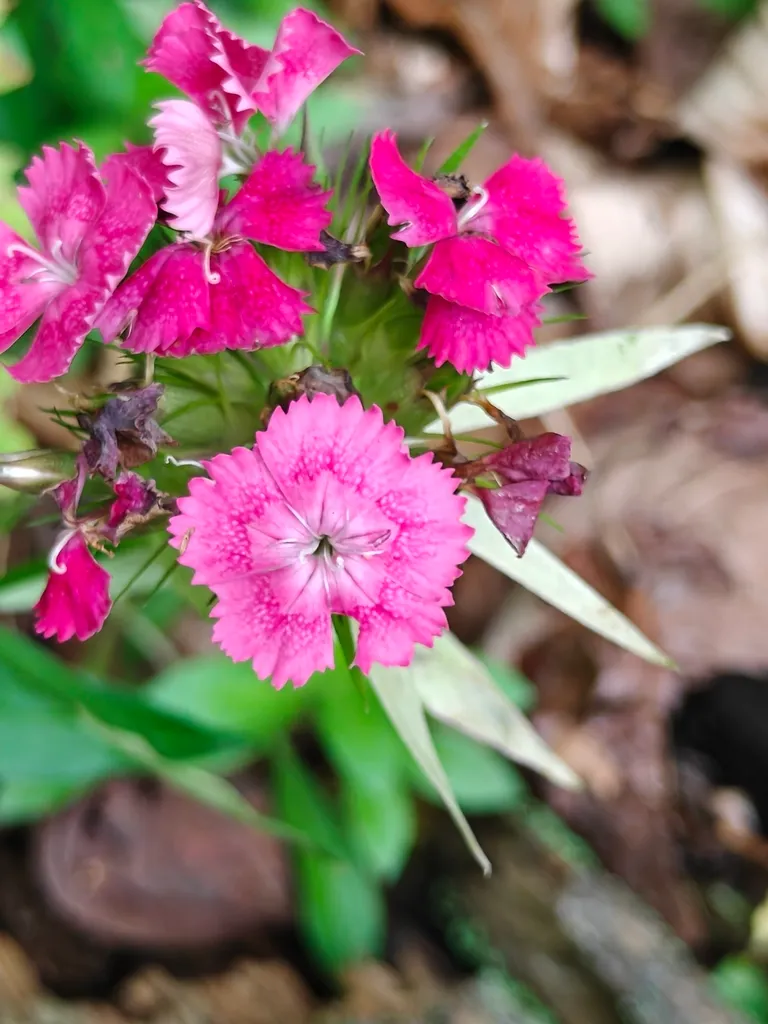
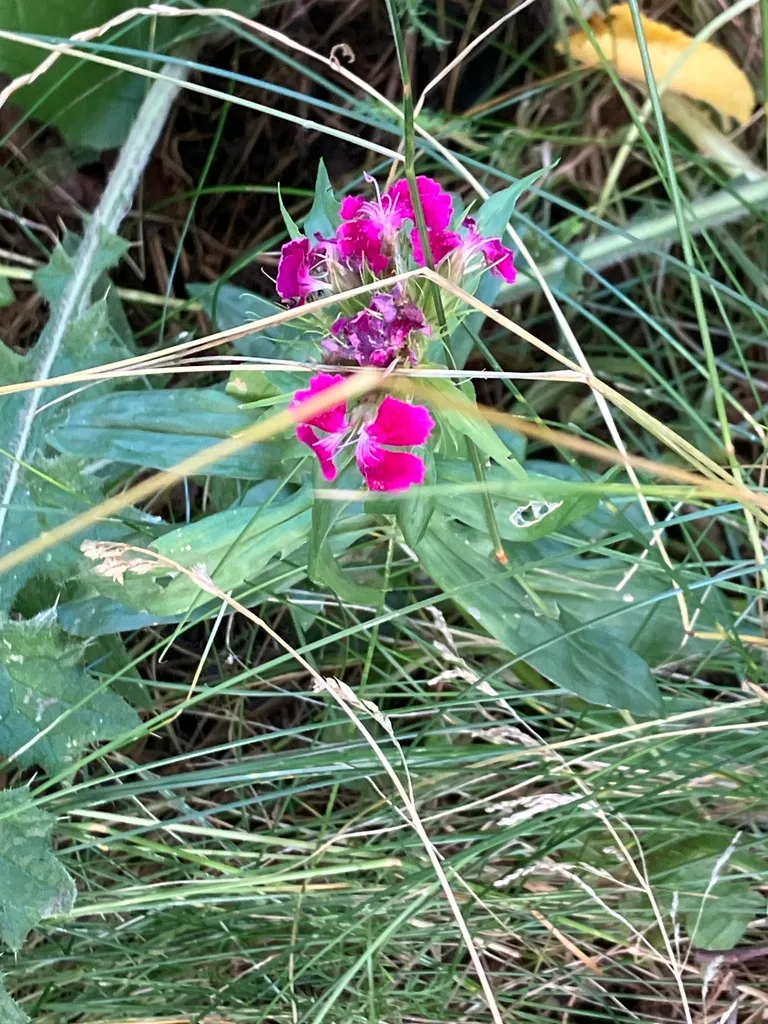
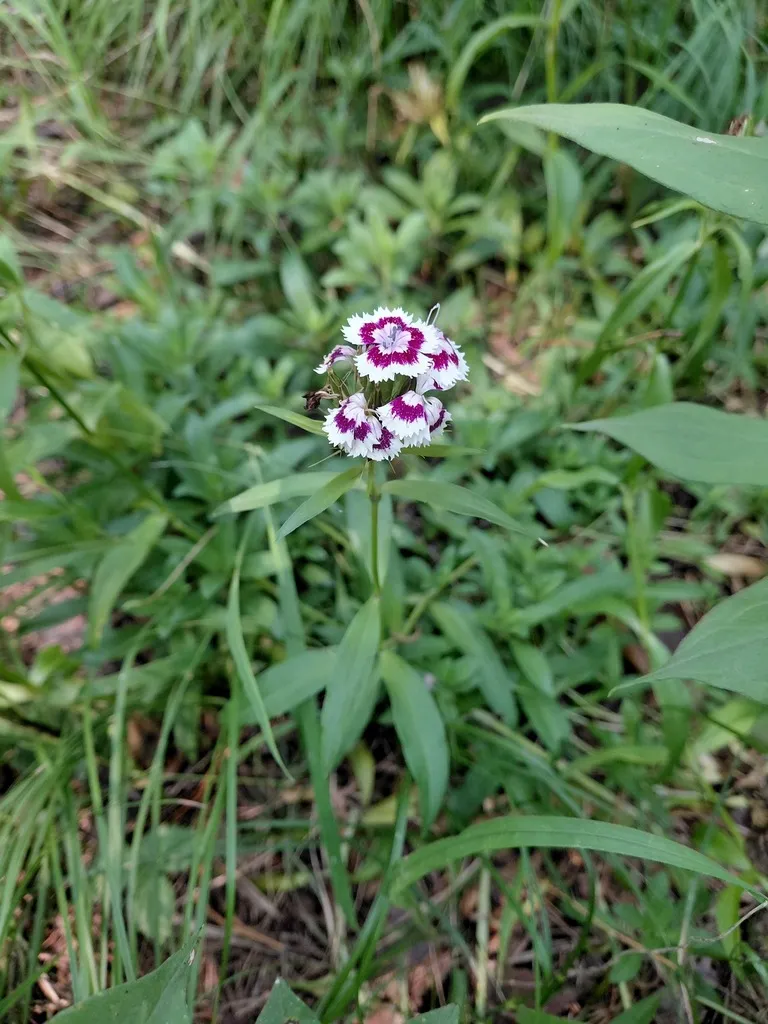
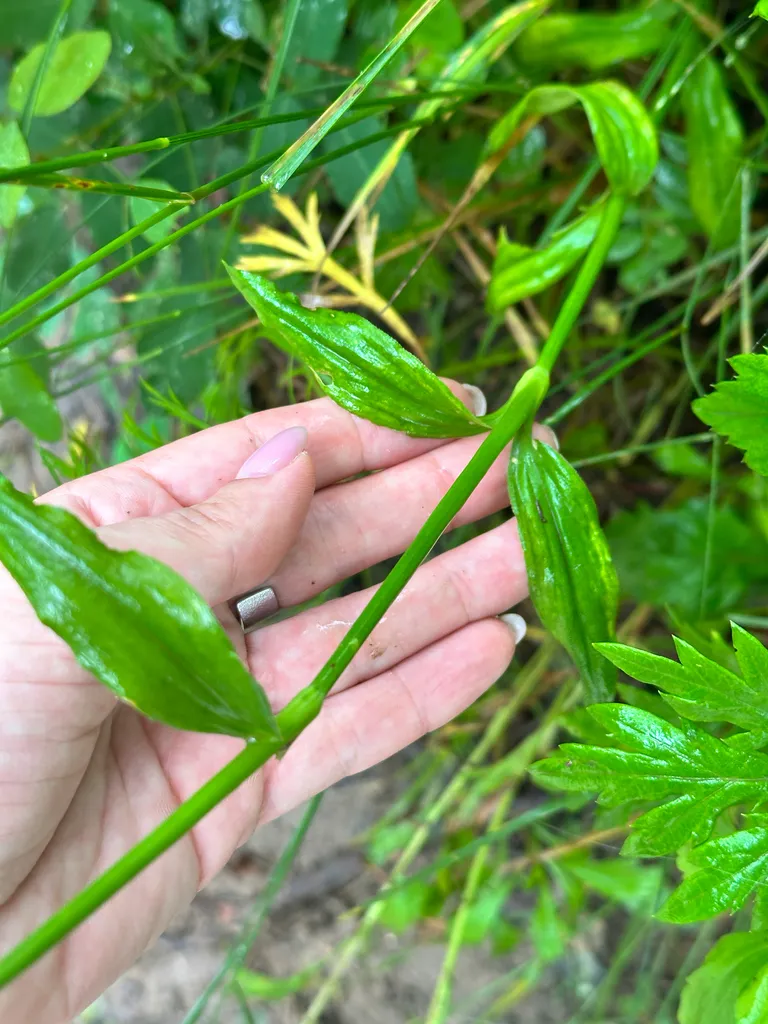
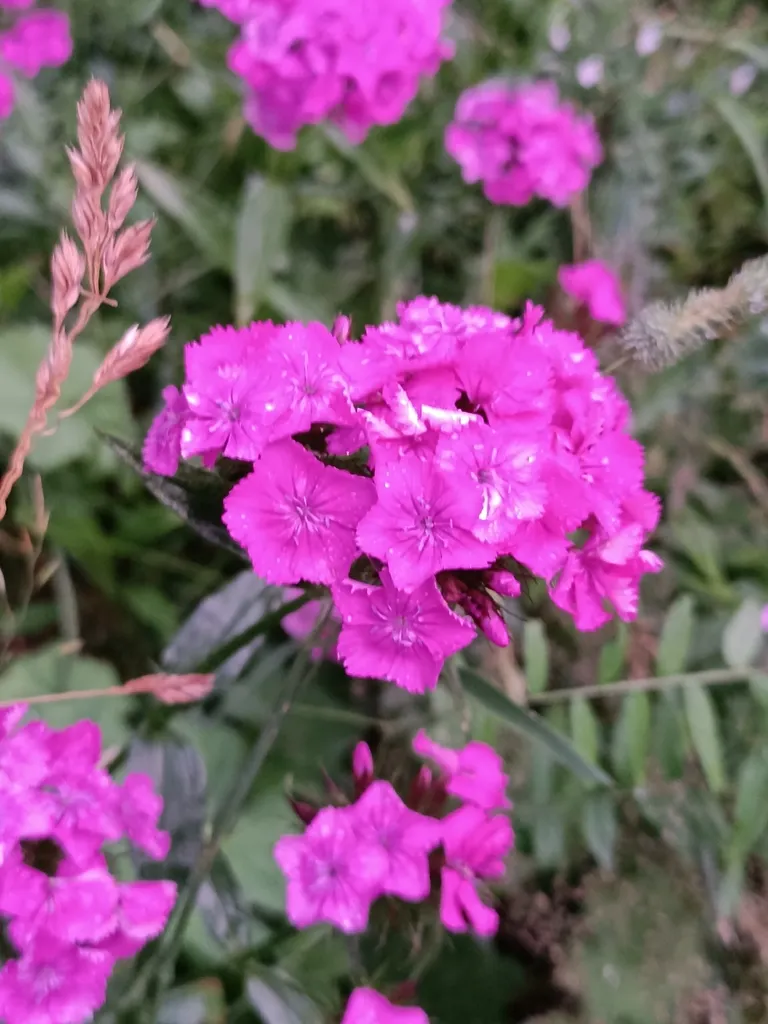
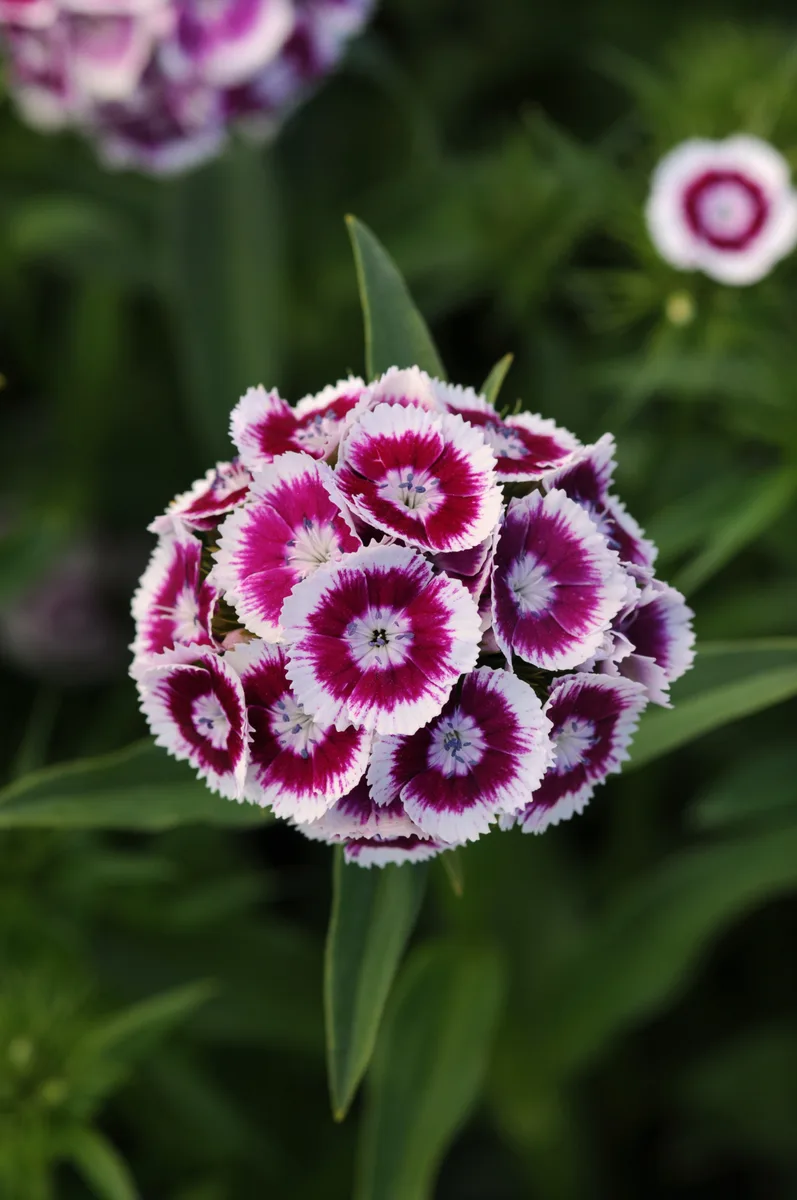
A biennial or short-lived perennial with prostrate rosettes of wide, lanceolate green leaves and stiff, erect stems, thickened at the nodes, to 40-60cm tall, bearing many-flowered, terminal, flattened heads. Flowers come in many colours from white to darkest red, often in bicolour combinations, with the darker eyes and toothed petals characteristic of pinks and carnations. Many named selections exist
Scientific classification
- Species
- sweet william (Dianthus barbatus)
- Genus
- Dianthus
- Family
- Caryophyllaceae
- Order
- Caryophyllales
- Class
- Magnoliopsida
- Phylum
- Magnoliophyta
- Skin allergen, wear gloves and other protective equipment when handling]
- Toxicity
- Annual Biennial · Bedding
- Plant type
- 0.1-0.5 metres
- Height
- 0.1-0.5 metres
- Spread
- Evergreen
- Foliage
- Bushy
- Habit
- Spring · Summer · Autumn · Winter
- Season of interest
- Full sun
- Sunlight
- 15 – 25 °C
- Ideal temperature









sweet william pictures
Distribution of sweet william
Distribution map
- Native
- Introduced
- Cultivated
Source:WCVP v16 · Royal Botanic Gardens, Kew · CC BY 3.0 · Boundaries:WGSRPD / TDWG
Toxicity
Skin allergen, wear gloves and other protective equipment when handling]
sweet william care guide
- Water moderately, allow soil to dry slightly between waterings
- Watering
- Full sun
- Sunlight
- 15 – 25 °C
- Ideal temperature

Watering
Water moderately, allow soil to dry slightly between waterings
Fertilizing
 Fertilizing
Every 4 weeks during growing season
Pruning
 Pruning
Deadhead as required
Propagation
 Propagation
Propagate by seed sown in late spring and plant out into flowering positions in the autumn
Growing
 Growing
Grow in a well-drained neutral to slightly acid soil in full sun
Common pests and diseases
Diseases
May be susceptible to powdery mildews, a rust, a virus and fusarium wilt
Pests
May be susceptible to slugs and aphids
Explore the plant health library →




