



Planting and Growing Atlas Mountains mint

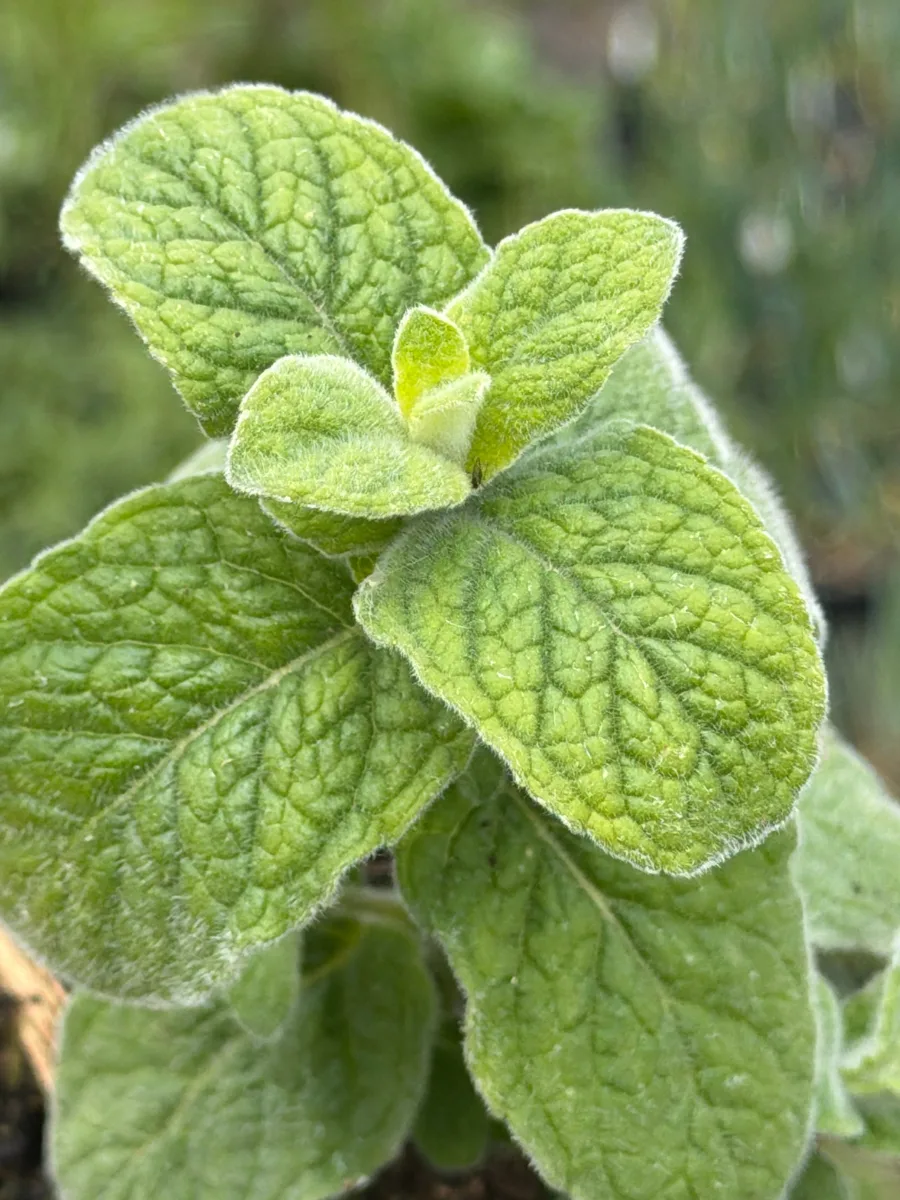
| Care difficulty | 2 / 5 |
|---|---|
| Watering schedule | Regular ample watering, withstand brief waterlogged soil conditions |
| Sunlight requirements | Full sun · Partial shade |
| Ideal temperature | Information to be completed |
| Soil type | Chalk · Clay · Loam · Sand |
| Soil pH | Acid · Alkaline · Neutral |
| Soil moisture | Moist but well drained |
| Fertilizing | Diluted herb foliage feed every three weeks spring and summer growth |
| Toxicity | Information to be completed |
How to Water Atlas Mountains mint?
Regular ample watering, withstand brief waterlogged soil conditions
Learn more →What Are the Sunlight Requirements for Atlas Mountains mint?
Full sun · Partial shade
Learn more →What Soil Is Best for Atlas Mountains mint?
- Soil type
- Chalk · Clay · Loam · Sand
- Soil pH
- Acid · Alkaline · Neutral
What Are the Moisture Requirements for Atlas Mountains mint?
Moist but well drained
Learn more →How to Fertilize Atlas Mountains mint?

Diluted herb foliage feed every three weeks spring and summer growth
Learn more →How to Prune Atlas Mountains mint?

Cut back at the end of the growing season
Learn more →How to Propagate Atlas Mountains mint?

Propagate by planting portions of rhizome any any time during the growing season; pot these up until they are established. Root-tip cuttings can be taken in spring
Learn more →How to Plant Atlas Mountains mint?
Grow in a poor, moist soil in full sun. Grow in moist but well drained soil in full or partial sun. May have the potential to become a nuisance; restrict the root run in a deep container and plunge into the ground, or plant in a well chosen site where it can grow unrestricted. See mint cultivation for more information
Learn more →Common Pests & Diseases

Diseases
May be susceptible to powdery mildews, especially during drought and mint rust
Pests
May be susceptible to green mint beetle, blue mint beetle, mint moth and sage leaf hopper
Explore the plant health library →