



Planting and Growing Peppermint

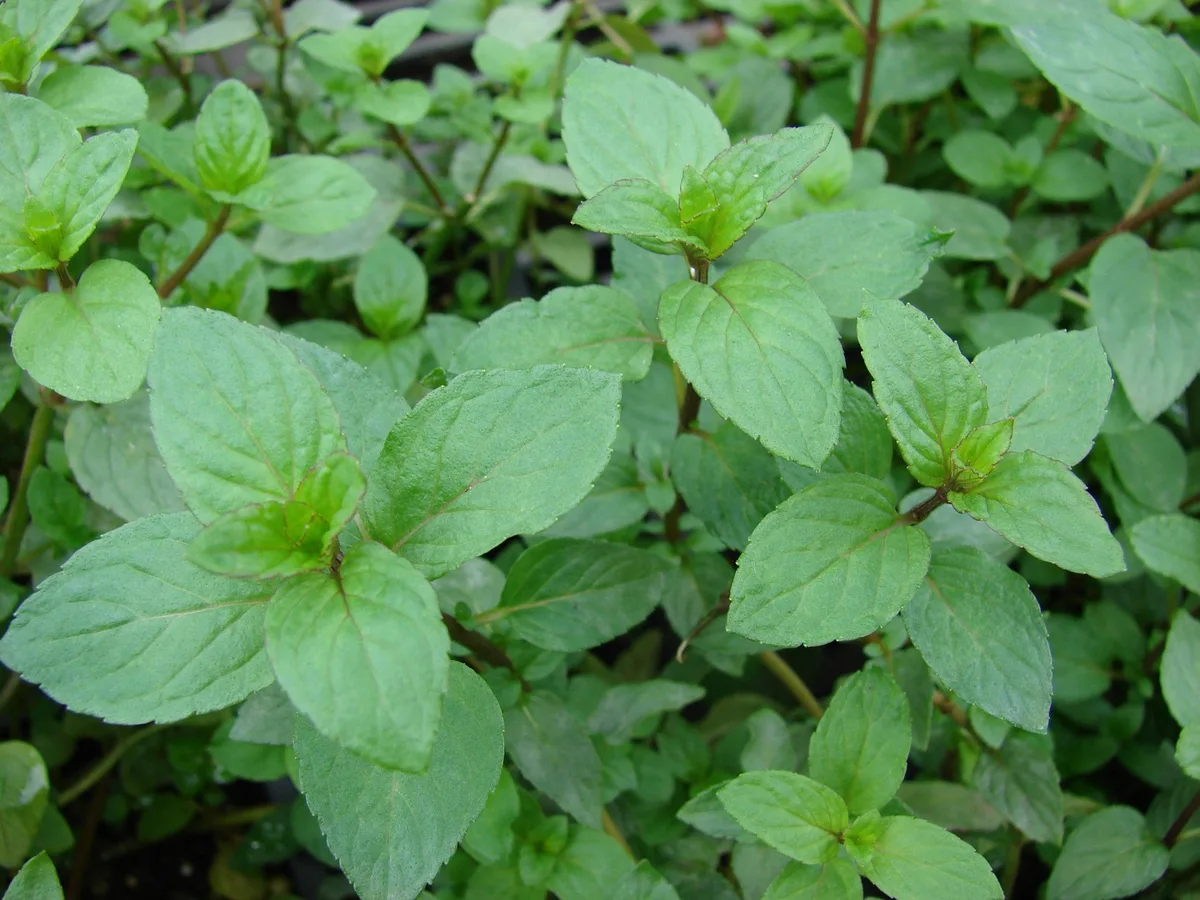
| Care difficulty | 2 / 5 |
|---|---|
| Watering schedule | Keep soil moist |
| Sunlight requirements | Full sun · Partial shade |
| Ideal temperature | 15 – 25 °C |
| Soil type | Loam · Chalk · Sand |
| Soil pH | Neutral |
| Soil moisture | Moist but well drained |
| Fertilizing | Every 4 weeks during growing season |
| Toxicity | Non-toxic to humans and pets when used in normal culinary amounts, but excessive consumption of concentrated peppermint oil may cause irritation. |
How to Water Peppermint?
Native to Europe and the Middle East, peppermint thrives in moist environments with a preference for slightly damp soil, reflecting its origins along stream banks. This species is moderately drought-tolerant but favors consistent moisture levels without waterlogging. For optimal growth, watering every week is recommended. As an herbaceous perennial, peppermint often grows more vigorously outdoors where it can benefit from natural rainfall patterns, yet it adapts well to container gardening when provided with adequate drainage to prevent root rot.
Learn more →What Are the Sunlight Requirements for Peppermint?
Peppermint flourishes best in full sun conditions, harnessing bright light to optimize growth and essential oil production. While it can tolerate partial sun, its vitality and yield may decrease under less intense light. Adaptively, peppermint's leaves may exhibit changes to maximize photosynthetic efficiency when lighting is suboptimal. Outdoors, it is favorable to position peppermint in areas exposed to unfiltered daylight, yet when in partial sun, dappled light can suffice. For gardeners, ensuring peppermint gets ample light is key to maintaining its robust, aromatic character.
Learn more →What Is the Ideal Temperature Range for Peppermint?

Peppermint is notably resilient to temperature variations, tolerating cold down to -30℃ (-22℉) and heat up to 35℃ (95℉). This broad range shows its adaptability, though protective measures during extremes are advisable. Under cold stress, peppermint may exhibit slowed growth and leaf discoloration; heat stress might cause wilting and scorched leaves. To counter overcooling, mulching and indoor growth can be effective, while shading and increased watering help combat overheating. This tolerance makes peppermint suitable for diverse environments but requires adaptive care to mitigate extreme conditions.
Learn more →What Soil Is Best for Peppermint?
For optimal growth, peppermint requires well-aerated, well-draining soil. A suitable mix can be made using garden soil, compost, and sand or perlite for improved drainage. Ensure proper drainage to prevent water-logging, as peppermint is sensitive to standing water. Adding organic matter like compost enhances overall fertility. Fertilize with a balanced fertilizer during active growth periods to support robust development. Prepare soil mix in advance and monitor moisture levels to maintain plant health.
- Soil type
- Loam · Chalk · Sand
- Soil pH
- Neutral
What Are the Moisture Requirements for Peppermint?
Moist but well drained
Learn more →How to Fertilize Peppermint?

Fertilizing peppermint with balanced nutrition fertilizers supports robust growth and vibrant foliage. Optimal fertilization frequency is biweekly during the growing season, reducing to once monthly in dormancy. Use a diluted liquid fertilizer at half strength, preventing root burn and nutrient overload. Proper fertilization ensures peppermint's vigor, particularly in nutrient-poor soils, and enhances the production of aromatic oils. In colder months, reduce quantities reflecting peppermint's slowed metabolism. Wear gloves to protect against potential skin irritation when applying fertilizers. Seasonal variations and peppermint's maturity dictate adjustments in fertilization practices for continued health.
Learn more →How to Prune Peppermint?

This aromatic herb, known for its vigorous growth and refreshing scent, benefits significantly from regular pruning. To maintain its shape and encourage bushier growth, trim peppermint in early to later spring. Remove any damaged or weak stems, cutting just above leaf nodes. Regular pruning promotes healthier plants and can increase essential oil production. Be sure to sterilize pruning tools to prevent disease spread.
Learn more →How to Propagate Peppermint?

Peppermint thrives when propagated by cuttings taken from a healthy, mature plant. The cuttings should include several nodes and be planted in moist, well-draining soil. Rooting hormone can aid in the establishment of strong roots. Overwatering must be avoided to prevent root rot. Once rooted and established, peppermint will rapidly expand, often benefiting from regular pruning to promote bushier growth and prevent overcrowding.
Learn more →How to Transplant Peppermint?
The optimal time for relocating peppermint is when spring greets us with its early whispers, ensuring vigorous growth. Choose a sun-kissed spot with moist, well-draining soil to welcome peppermint’s robust nature, fostering a seamless transition.
Learn more →How to Plant Peppermint?
Indoors-potted: Ensure peppermint has room to grow, as it can be invasive even indoors; regular pruning encourages a bushy, healthy plant. Outdoors-potted: Peppermint thrives outdoors in pots with adequate drainage; elevate the pot to prevent waterlogging which this herb dislikes. Outdoors-in the ground: Plant peppermint with space to spread; its vigorous growth can overshadow nearby plants so consider its positioning carefully.
Learn more →How to Repot Peppermint?
For peppermint, a robust, fast-growing herb, repotting every 2-3 years encourages vitality. Best done in spring to complement its growth spurt. Select a medium-sized container with ample drainage. After repotting, keep the soil moist and place it in partial sun for quick recovery and flourishing growth. Remember, peppermint loves a roomy pot to spread its fragrant leaves.
Learn more →How to Harvest Peppermint?

Leaves or tender stems of peppermint can be picked to make tea, cake, or decorative cuisine in all seasons. It is best to pick in spring and summer for better quality. To extract mint oil, harvest when the leaves are old and green with hard stems, mid-summer and mid-fall. Harvest on a sunny day.
Learn more →Common Pests & Diseases

Diseases
Peppermint is susceptible to rust (Puccinia menthae) which causes orange pustules on leaves, and verticillium wilt in poorly drained soils. Good air circulation and crop rotation help reduce risk.
Pests
Common pests include aphids, spider mites, and mint flea beetles. Regular hosing off with water or using insecticidal soap can control outbreaks.
Explore the plant health library →Troubleshooting
Leggy Stems, Invasive Spread
Peppermint (Mentha piperita) grows vigorously in warm, bright conditions; pinching growing tips prevents woody leggy stems and preserves foliage quality.
| What you notice | Possible explanation | What to check next |
|---|---|---|
| Stems elongate with sparse lower leaves and flower spikes forming at tips | Delayed harvesting/pinching or insufficient sunlight | Check stem length and whether flower buds have started forming |
| Vigorous underground runners invade neighboring garden beds | Aggressive rhizomatous spread typical of Mentha species | Inspect root confinement around garden borders |
- Pinch or harvest stem tips regularly just above a pair of leaves, and remove flower buds promptly to maintain bushy growth.
- Provide full sun (at least 6 hours daily) to partial shade in moist, fertile, well-drained soil.
- Grow Mentha in containers or sunken bottomless pots to contain invasive underground runners.
Divide congested potted Mentha clumps every 2 to 3 years in spring to refresh vigor.
Orange Rust Pustules, Powdery Mildew, or Sap-Sucking Pests
Crowded foliage and damp stagnant air promote foliar fungi, while dry indoor air favors spider mites, whiteflies, and aphids.
| What you notice | Possible explanation | What to check next |
|---|---|---|
| Bright orange-brown powdery pustules on leaf undersides and distorted stems | Mint rust (Puccinia menthae) or powdery mildew | Inspect leaf undersides and lower stems closely |
| Curled shoot tips, sticky honeydew, or fine webbing on leaf undersides | Aphids, whiteflies, mealybugs, or spider mites | Examine young leaves and undersides closely |
- Thin out crowded stems and avoid overhead watering late in the day to keep leaves dry.
- Remove and discard any leaves showing fungal pustules or white mildew immediately (do not compost infected foliage).
- Rinse culinary leaves thoroughly with water before kitchen use, and treat persistent pests only with appropriately labeled insecticidal soap.
If mint rust severely infects a bed, dig up and discard affected roots and replant healthy certified stock in a fresh container.
The Toxicity of Peppermint
Non-toxic to humans and pets when used in normal culinary amounts, but excessive consumption of concentrated peppermint oil may cause irritation.