



Planting and Growing spearmint

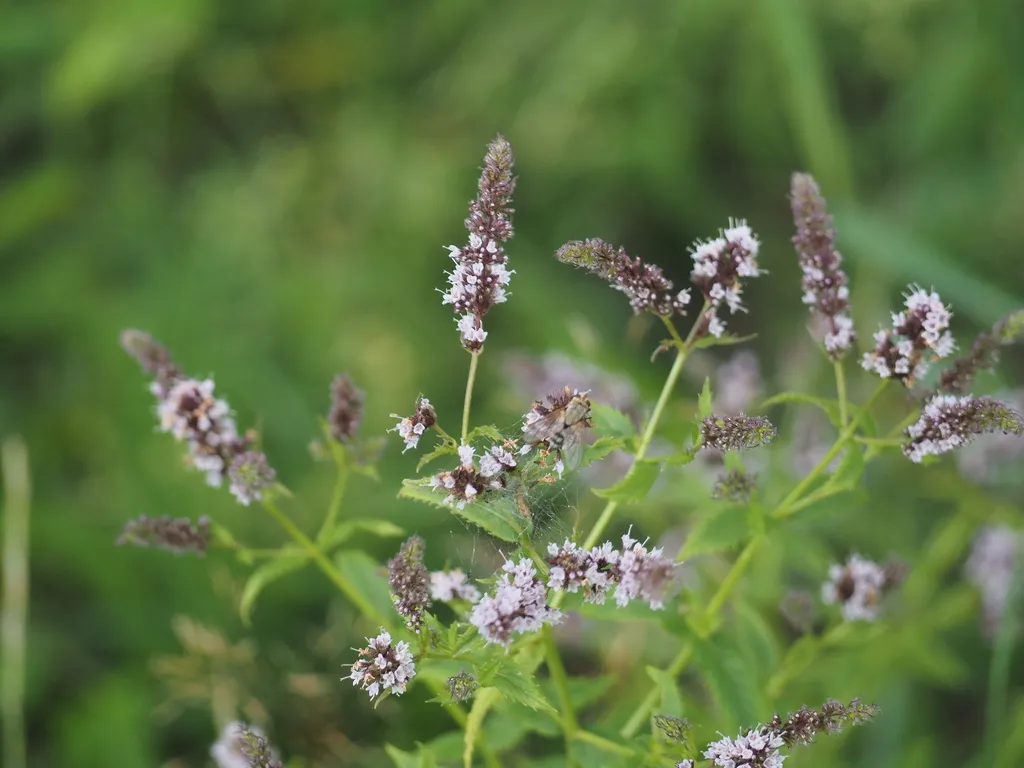
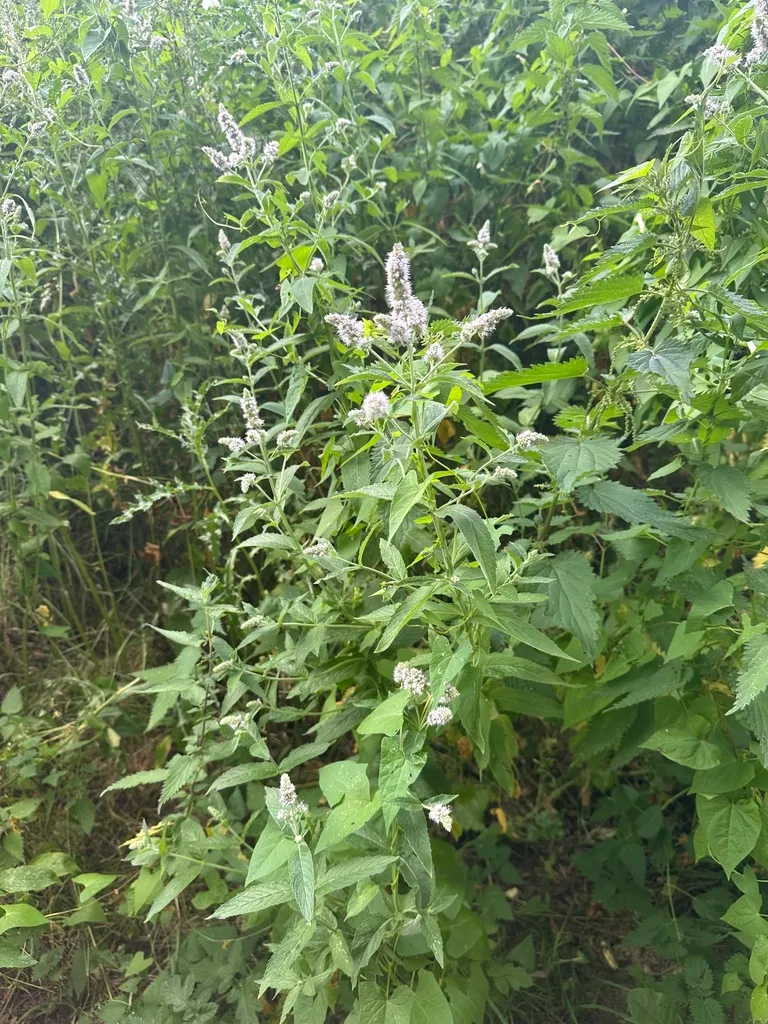
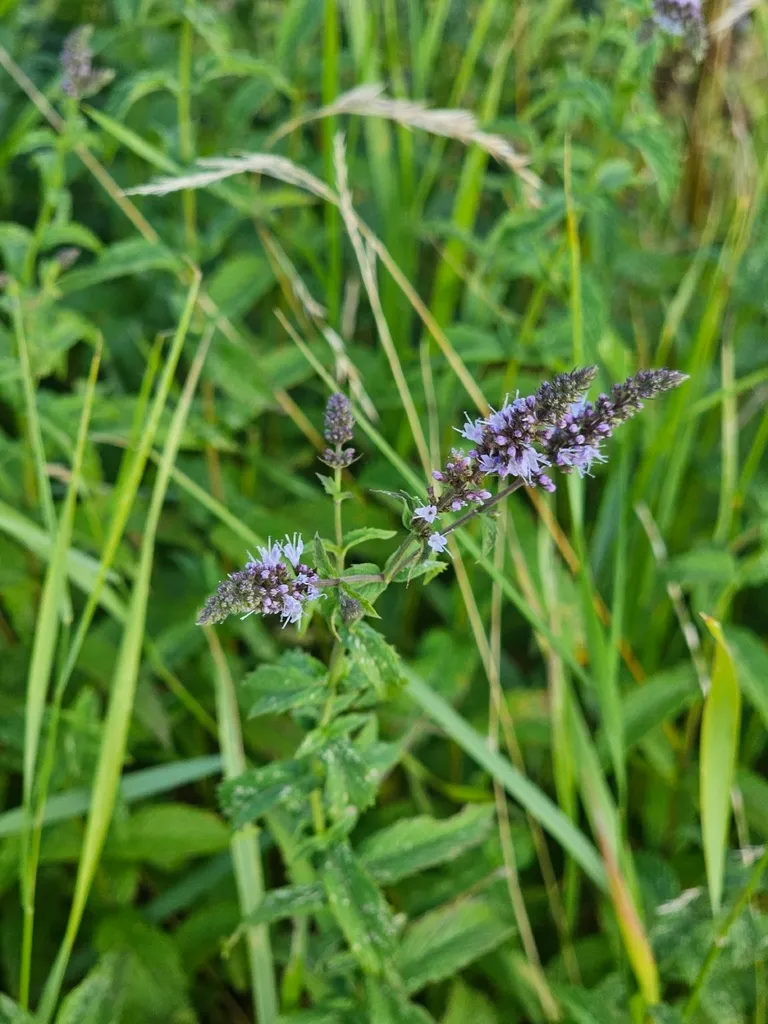
| Care difficulty | 1 / 5 |
|---|---|
| Watering schedule | Moderate regular watering, avoid prolonged drought and stagnant waterlogging |
| Sunlight requirements | Full sun · Partial shade |
| Ideal temperature | 15 – 25 °C |
| Soil type | Chalk · Clay · Loam · Sand |
| Soil pH | Acid · Alkaline · Neutral |
| Soil moisture | Moist but well drained · Poorly drained |
| Fertilizing | Balanced perennial feed every four weeks spring through summer growth |
| Toxicity | Information to be completed |
How to Water spearmint?
Originating from temperate regions, spearmint thrives in moist environments but is adaptable to less frequent watering. This species has a preference for consistent moisture without being waterlogged, exhibiting moderate drought tolerance. Watering should be adjusted to twice a week to maintain optimal hydration. Typically grown outdoors, spearmint benefits significantly from mulching which helps retain soil moisture and regulates temperature – key factors during its active growing season.
Learn more →What Are the Sunlight Requirements for spearmint?
Spearmint thrives best in full sun conditions, requiring at least six hours of direct sunlight every day to optimize its growth, health, and flowering capabilities. While spearmint can tolerate partial sun, with reduced sunlight exposure its growth might be slower and the plant may produce fewer and smaller leaves. In addition, insufficient lighting can lead to less vigorous plants with a decreased ability to ward off pests. Ideally situated in an environment that avoids the harshest midday sun, spearmint benefits from morning light and light afternoon shade, particularly in hotter climates.
Learn more →What Is the Ideal Temperature Range for spearmint?

Spearmint is remarkably resilient to temperature variations, tolerating cold as low as -30℃ (-22℉) and heat up to 41℃ (106℉). Such wide tolerance makes it adaptable to diverse climates but necessitates specific care. In extreme cold, spearmint may exhibit leaf browning or dieback, while excessive heat can cause wilting or scorched leaves. Protective measures, such as mulching during cold spells or providing shade in intense heat, are essential. Recognizing and addressing temperature stress symptoms ensures spearmint can thrive without significant harm.
Learn more →What Soil Is Best for spearmint?
Spearmint adapts to a wide range of soil as long as the soil is not too barren or too acidic. However, the best soil is permeable, well-drained, fertile loam that retains water and is rich in humus. It likes fertilizer and requires nitrogen, phosphorus, and potassium. Nitrogen is most important, as it helps leaves and stems to develop. Spearmint is a shallow-rooted plant. It roots grow about 15 cm down and around 30 cm horizontally. Choose a flowerpot or a planting area big enough for it. The suitable pH of soil is 5.5-7.5 and neutral soil is best.
- Soil type
- Chalk · Clay · Loam · Sand
- Soil pH
- Acid · Alkaline · Neutral
What Are the Moisture Requirements for spearmint?
Moist but well drained · Poorly drained
Learn more →How to Fertilize spearmint?

For spearmint, utilize balanced nutrition fertilizers, abundant in nitrogen for vigorous leaf growth. Fertilize once monthly in the growing season, with reduced frequency during dormant winter months. Spearmint's benefits from fertilization include robust foliage and enhanced plant health. Administer no more than a quarter cup of granular fertilizer per square yard to prevent root burn. Always water soil prior to fertilizing to safeguard roots. Adjust application based on spearmint's appearance and growth, ensuring not to over-fertilize. These tailored tips cater to spearmint's specific needs, supporting both budding and seasoned gardeners in maintaining their spearmint.
Learn more →How to Prune spearmint?

Spearmint, known for its aromatic leaves and rapid growth, benefits from consistent pruning. Key techniques include cutting back the tops to encourage bushiness and removing any dead or damaged stems. Optimal pruning periods are from early to late spring, coinciding with peak growth. Regular pruning helps manage the plant's spread and promotes healthier foliage. Always use clean, sharp tools to minimize damage and stress to the plant.
Learn more →How to Propagate spearmint?

Spearmint thrives through propagation by cutting, presenting a straightforward manner to cultivate the plant. Enthusiasts aiming to expand their garden with spearmint should select robust stem cuttings that exhibit healthy growth. These cuttings are then placed in a growth medium conducive to root development. To optimize success, ensuring the cuttings are kept under conditions with adequate humidity and temperature is pivotal. The rooted cuttings can then be transplanted to a more permanent location where spearmint can flourish under full sunlight to partial shade, in well-drained soil.
Learn more →How to Transplant spearmint?
The best time to transplant spearmint is during the pleasant warmth of mid-spring to early summer. Choose a sunny or partially shaded location with well-draining soil. Gently loosen the root ball when transplanting, ensuring the roots establish well in their new home.
Learn more →How to Plant spearmint?
Indoors-potted: Indoor cultivation of spearmint will require frequent repotting as it's a vigorous grower with sprawling roots. Outdoors-potted: Spearmint in outdoor pots benefit from seasonal rotation to encourage robust growth without depleting the soil nutrients. Outdoors-in the ground: When planting spearmint outdoors, ensure containment strategies to prevent garden overtake due to its aggressive spreading nature.
Learn more →How to Repot spearmint?
Refresh spearmint's home every 2-3 years, ideally in spring to align with its growth cycle. This bushy herb thrives in a slightly larger pot, allowing its roots to spread. Post-repot, water moderately, avoid fertilizing for a month, and provide bright, indirect light to encourage robust revival. A well-drained pot ensures spearmint remains healthy and aromatic.
Learn more →How to Harvest spearmint?

Leaves or tender stems of spearmint can be picked to make tea, cake, or decorative cuisine in all seasons. It is best to pick in spring and summer for better quality. To extract mint oil, harvest when the leaves are old and green with hard stems, mid-summer and mid-fall. Harvest on a sunny day.
Learn more →Common Pests & Diseases

Diseases
May be susceptible to powdery mildews and mint rust
Pests
May be susceptible to sage leafhopper, blue mint beetle and caterpillars
Explore the plant health library →Troubleshooting
Leggy Stems, Invasive Spread
spearmint (Mentha spicata) grows vigorously in warm, bright conditions; pinching growing tips prevents woody leggy stems and preserves foliage quality.
| What you notice | Possible explanation | What to check next |
|---|---|---|
| Stems elongate with sparse lower leaves and flower spikes forming at tips | Delayed harvesting/pinching or insufficient sunlight | Check stem length and whether flower buds have started forming |
| Vigorous underground runners invade neighboring garden beds | Aggressive rhizomatous spread typical of Mentha species | Inspect root confinement around garden borders |
- Pinch or harvest stem tips regularly just above a pair of leaves, and remove flower buds promptly to maintain bushy growth.
- Provide full sun (at least 6 hours daily) to partial shade in moist, fertile, well-drained soil.
- Grow Mentha in containers or sunken bottomless pots to contain invasive underground runners.
Divide congested potted Mentha clumps every 2 to 3 years in spring to refresh vigor.
Orange Rust Pustules, Powdery Mildew, or Sap-Sucking Pests
Crowded foliage and damp stagnant air promote foliar fungi, while dry indoor air favors spider mites, whiteflies, and aphids.
| What you notice | Possible explanation | What to check next |
|---|---|---|
| Bright orange-brown powdery pustules on leaf undersides and distorted stems | Mint rust (Puccinia menthae) or powdery mildew | Inspect leaf undersides and lower stems closely |
| Curled shoot tips, sticky honeydew, or fine webbing on leaf undersides | Aphids, whiteflies, mealybugs, or spider mites | Examine young leaves and undersides closely |
- Thin out crowded stems and avoid overhead watering late in the day to keep leaves dry.
- Remove and discard any leaves showing fungal pustules or white mildew immediately (do not compost infected foliage).
- Rinse culinary leaves thoroughly with water before kitchen use, and treat persistent pests only with appropriately labeled insecticidal soap.
If mint rust severely infects a bed, dig up and discard affected roots and replant healthy certified stock in a fresh container.