



Planting and Growing sacred lotus

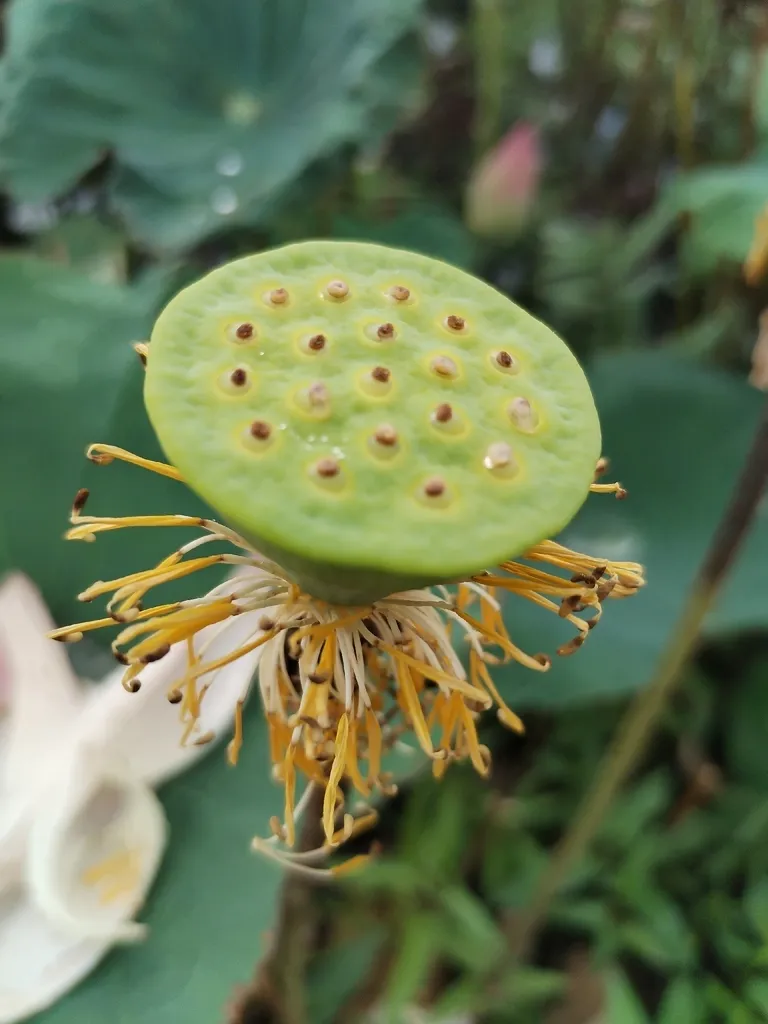
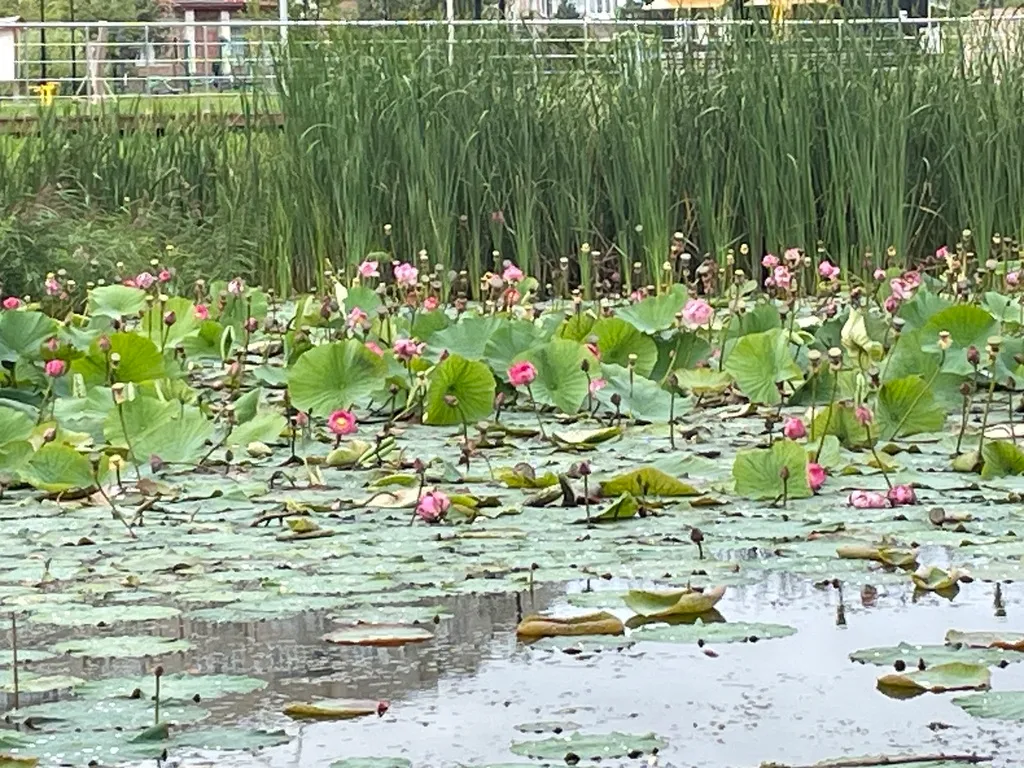
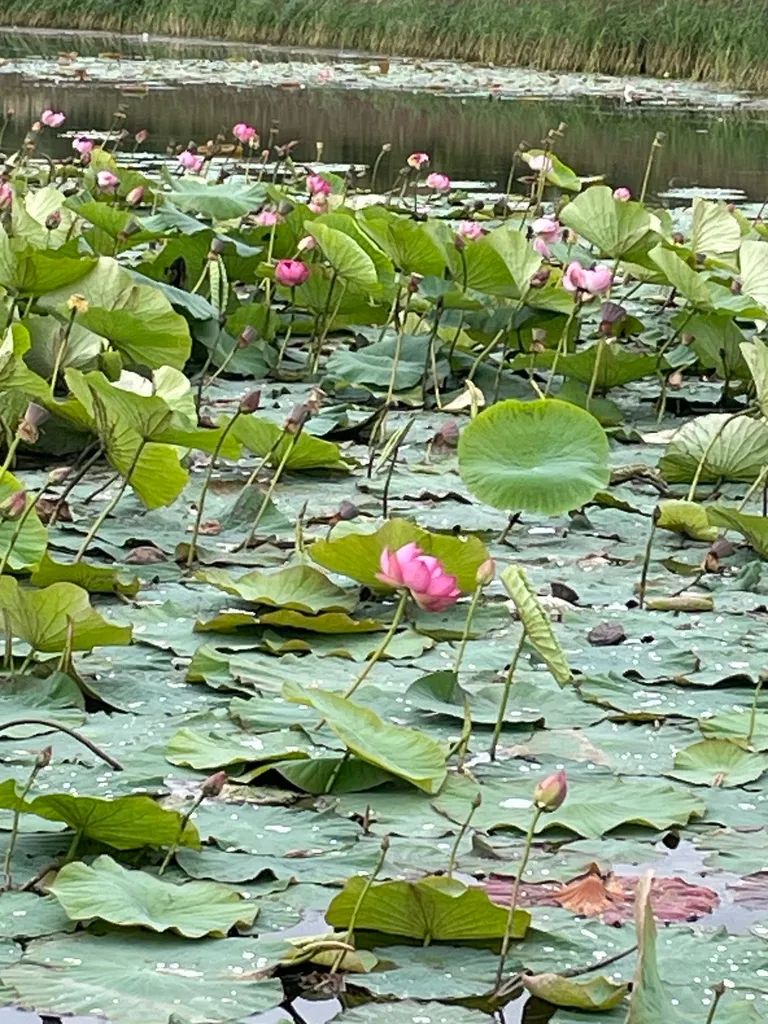
| Care difficulty | 3 / 5 |
|---|---|
| Watering schedule | Moderate regular watering, avoid prolonged drought or waterlogging |
| Sunlight requirements | Full sun |
| Ideal temperature | 20 – 30 °C |
| Soil type | Loam |
| Soil pH | Neutral |
| Soil moisture | Poorly drained |
| Fertilizing | Balanced feed in spring and light repeat in growth season |
| Toxicity | Information to be completed |
How to Water sacred lotus?
Moderate regular watering, avoid prolonged drought or waterlogging
Learn more →What Are the Sunlight Requirements for sacred lotus?
Indian Lotus thrives best under full sun conditions, requiring direct sunlight for optimal growth, health, and flowering. Though indian Lotus can tolerate partial sun, insufficient light may lead to reduced vigor and fewer blooms. This preference for intense light enhances photosynthesis, promoting lush foliage and vibrant flowers. Outdoors, indian Lotus should be positioned in locations where they can receive unobstructed sunlight for the majority of the day. Adaptively, indian Lotus's leaves may adjust orientation to maximize light absorption, maintaining its stunning appearance and biological efficiency.
Learn more →What Is the Ideal Temperature Range for sacred lotus?

Indian Lotus is resilient to temperature fluctuations, tolerating cold down to 0℃ (32℉) and heat up to 38℃ (100℉). This temperature tolerance makes indian Lotus suitable for diverse climates. During extreme cold, the plant may exhibit symptoms like wilting or browning of leaves. In heat, leaves might scorch or curl. To care for indian Lotus, protective measures are critical: use mulch in cold conditions and shade cloth during extreme heat. This adaptability allows indian Lotus to thrive but requires attention to weather forecasts to implement these countermeasures effectively.
Learn more →What Soil Is Best for sacred lotus?
For optimal growth, indian Lotus thrives in soil with good aeration and drainage. A suitable soil mix can be prepared using garden soil mixed with sand to enhance drainage. Ensure the soil remains consistently moist but not water-logged. Adding peat moss can help retain moisture. Fertilize with a balanced aquatic plant fertilizer every 3-4 weeks during the growing season. Avoid overly compact soil to prevent root rot and encourage healthy root development.
- Soil type
- Loam
- Soil pH
- Neutral
What Are the Moisture Requirements for sacred lotus?
Poorly drained
Learn more →How to Fertilize sacred lotus?

Balanced feed in spring and light repeat in growth season
Learn more →How to Prune sacred lotus?

This aquatic perennial features large, round leaves and stunning flowers. For optimal growth, prune indian Lotus in early spring. Remove dead leaves and spent flower stalks to improve air circulation and aesthetics. Trim back any yellow or damaged foliage to prevent disease. Pruning promotes healthy growth and an abundant blooming season. Ensure tools are sterilized to avoid infections. Proper pruning encourages vigorous new growth and maintains the plant's shape and size efficiently.
Learn more →How to Propagate sacred lotus?

Renowned for its large, fragrant flowers and circular leaves, indian Lotus is a water plant that thrives in calm, shallow ponds. To propagate indian Lotus, gardeners use sowing techniques, which involve collecting the seeds after the pods have ripened. These seeds require scarification, gently scratching or nicking the hard seed coat, to promote germination. Following scarification, the seeds are soaked in warm water until they swell, indicating readiness for planting. Gardeners then place them in pots with aquatic planting media, submerging them just below the water surface where they soon sprout and begin their growth.
Learn more →How to Transplant sacred lotus?
The prime time to transplant indian Lotus is the heart of spring, leveraging mild temperatures for root establishment. Choose a sunny, aquatic setting to replicate its native habitat. Occasionally, offer generous space to accommodate growth.
Learn more →How to Plant sacred lotus?
Indoors-potted: Ensure indian Lotus has ample space for roots to expand in indoor pots, promoting its intricate bloom cycle. Outdoors-potted: Rotate outdoor potted indian Lotus periodically to encourage uniform growth and flowering due to its need for consistent light exposure. Outdoors-in the ground: Indian Lotus thrives in outdoor soil with natural water bodies nearby; however, without this, its characteristic aquatic adaptation may hinder.
Learn more →Common Pests & Diseases

Diseases
Generally disease-free
Pests
May be susceptible to glasshouse red spider mite and glasshouse whitefly
Explore the plant health library →