
sacred lotus
Also known as: Chinese arrowroot; Chinese waterlily; East Indian lotus; Eastern lotus; Egyptian sacred bean; Indian lotus; padma; water bean
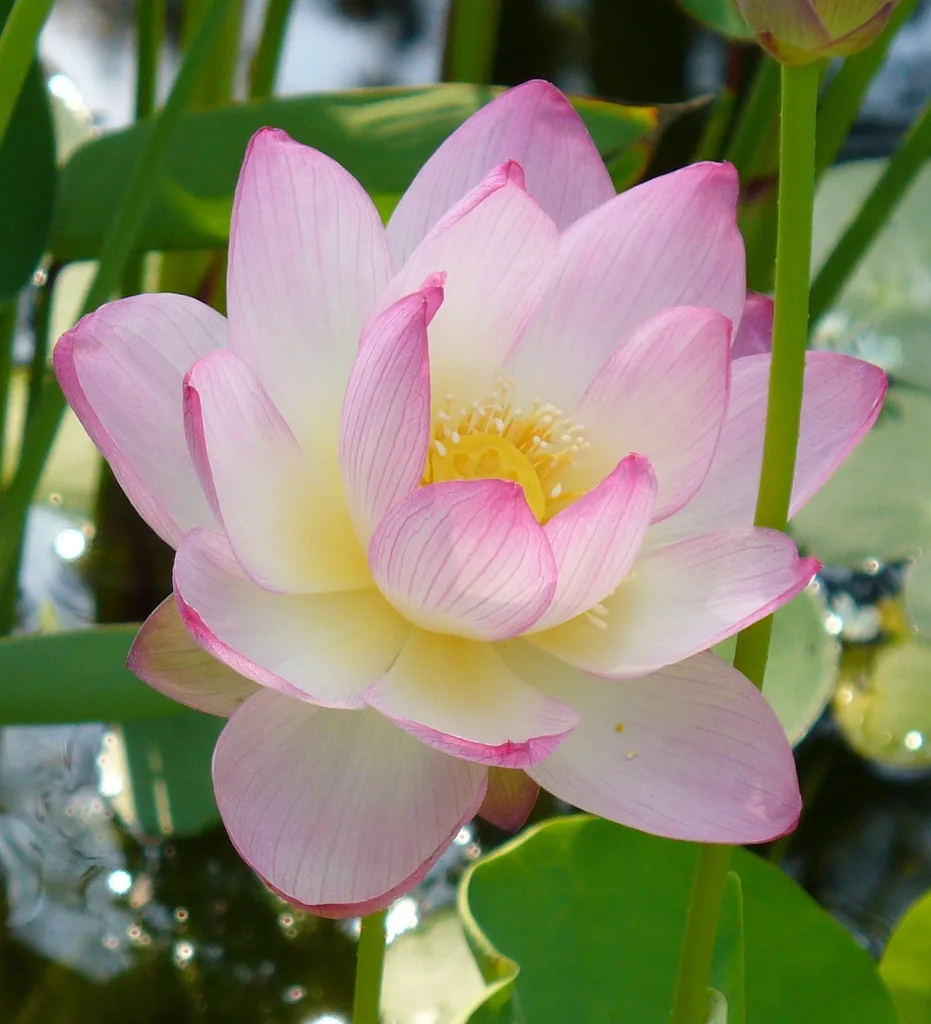
A rhizomatous aquatic perennial with long-stalked, rounded green leaves to 80cm wide, and solitary, pink or white, water lily-like flowers to 30cm wide, borne on long stalks well above water level in summer
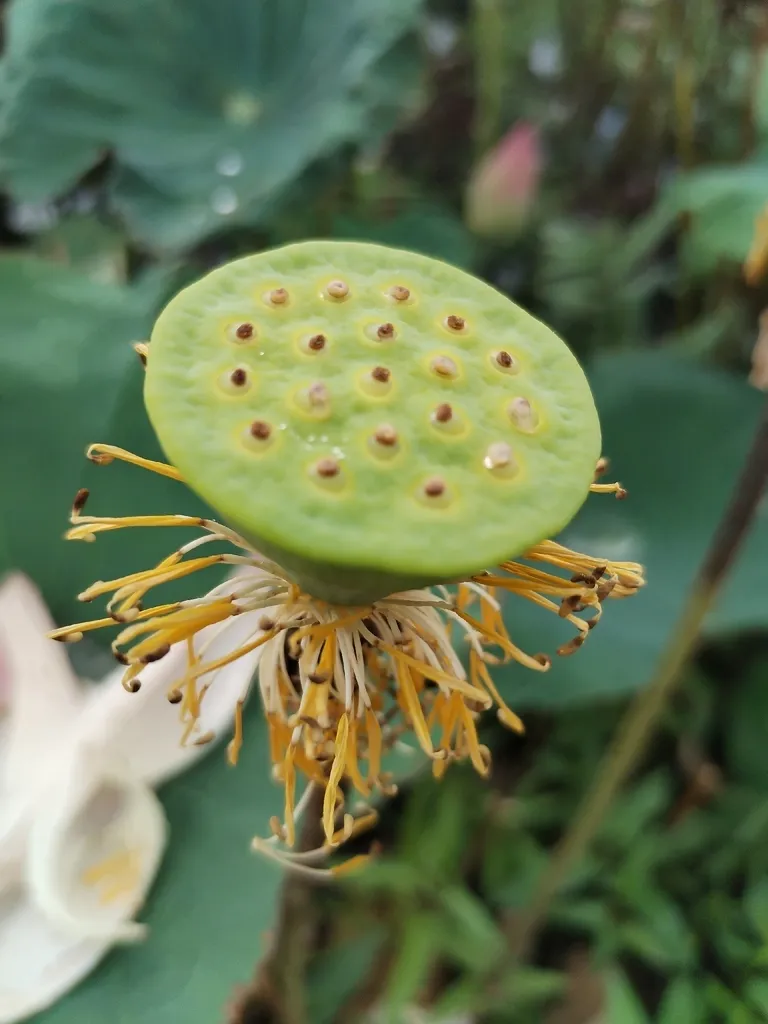
Scientific classification
- Species
- sacred lotus (Nelumbo nucifera)
- Genus
- Nelumbo
- Family
- Nelumbonaceae
- Information to be completed
- Toxicity
- Aquatic · Bogs · Conservatory Greenhouse
- Plant type
- 1-1.5 metres
- Height
- 1-1.5 metres
- Spread
- Deciduous
- Foliage
- Suckering
- Habit
- Spring · Summer
- Season of interest
- Full sun
- Sunlight
- 20 – 30 °C
- Ideal temperature









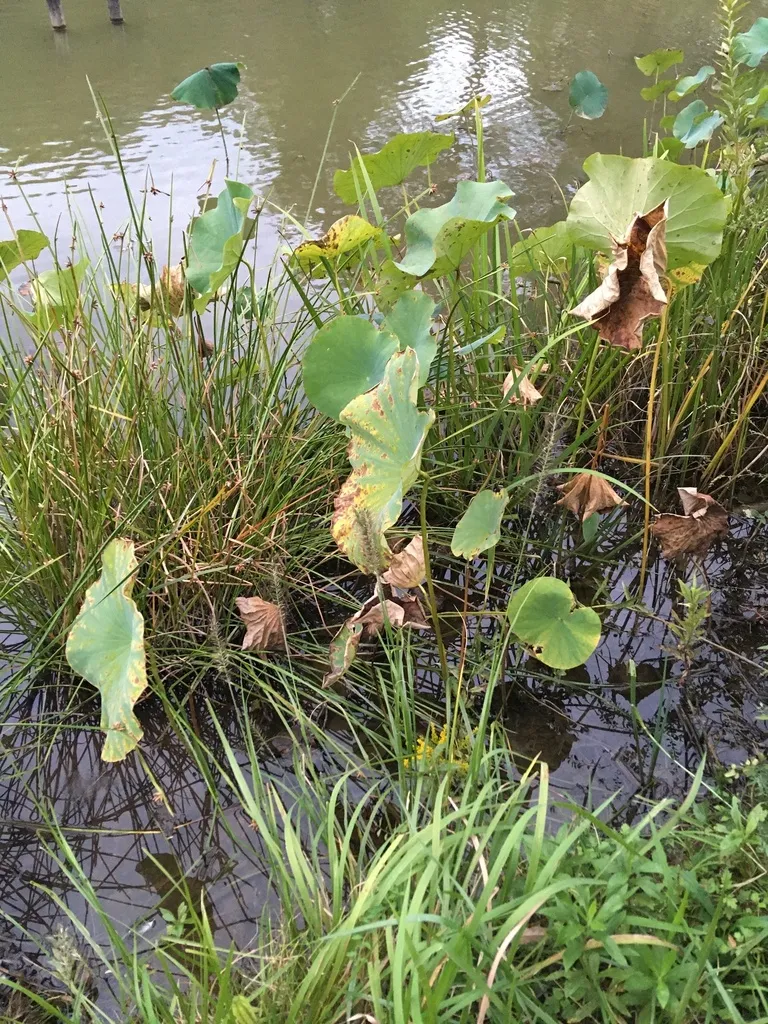
sacred lotus pictures
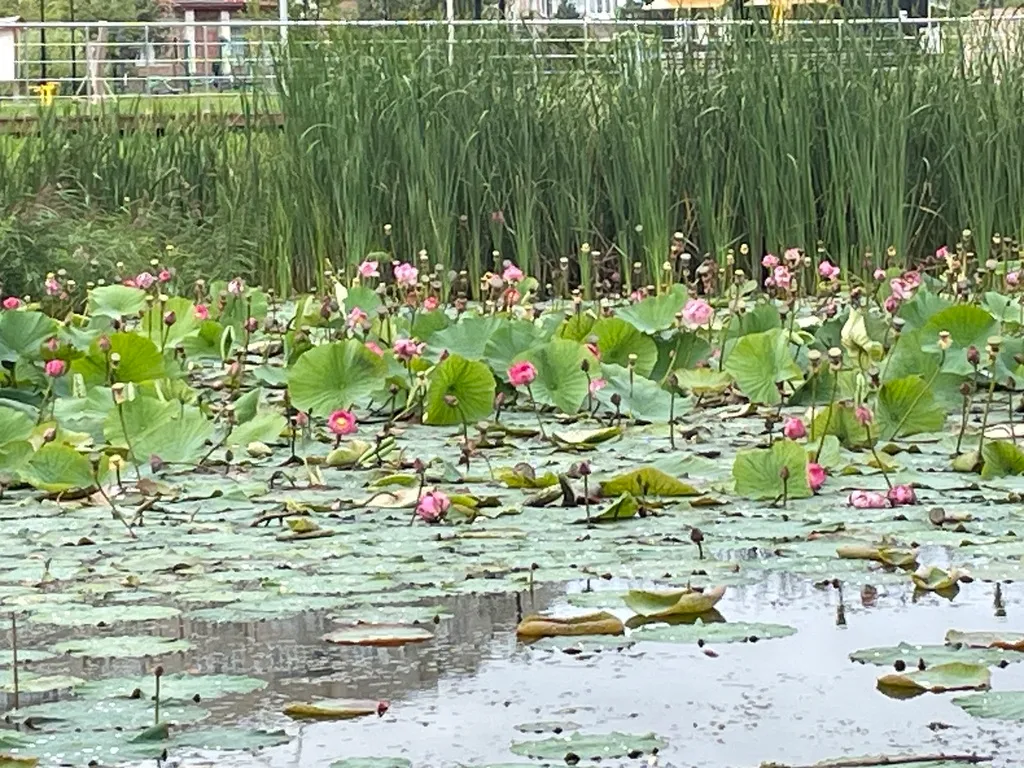
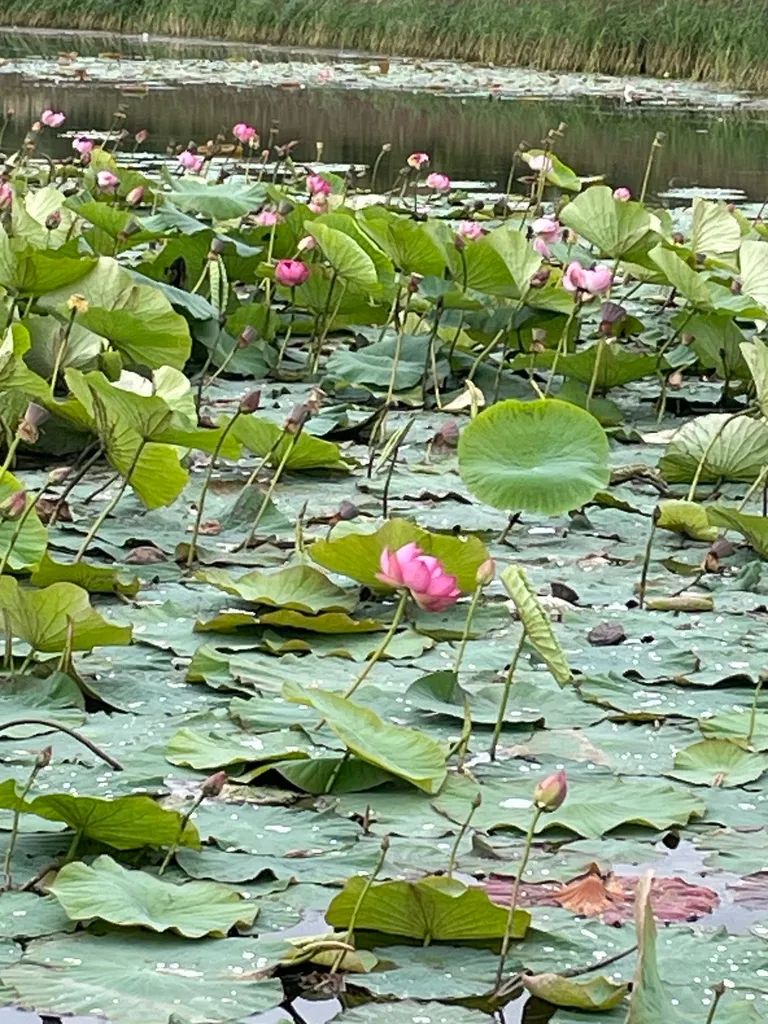
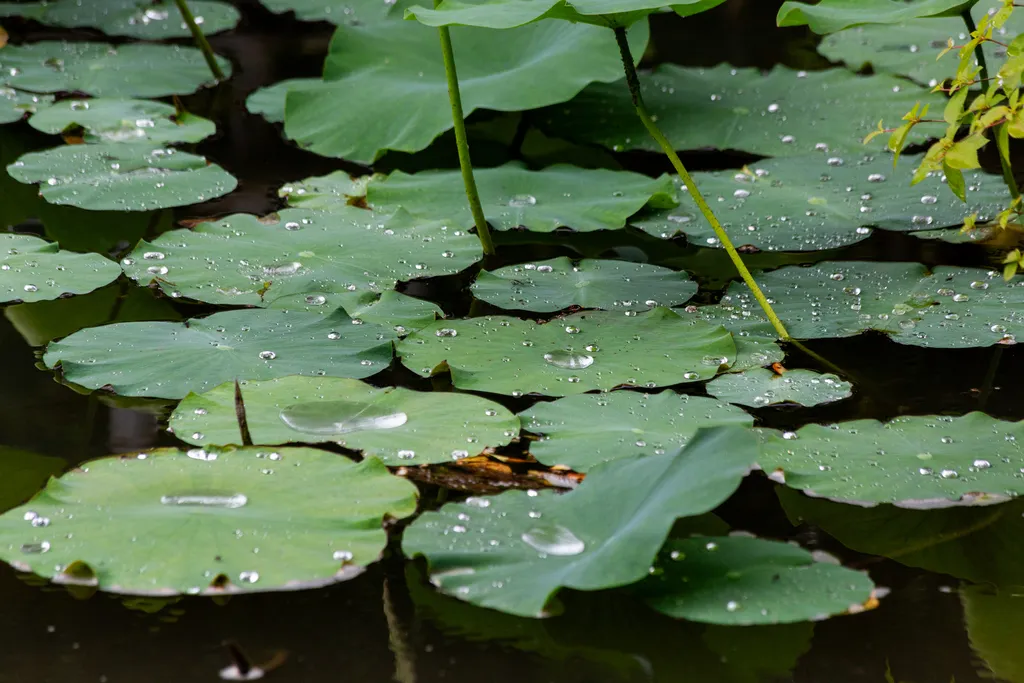
Distribution of sacred lotus
Distribution map
- Native
- Introduced
- Cultivated
Source:WCVP v16 · Royal Botanic Gardens, Kew · CC BY 3.0 · Boundaries:WGSRPD / TDWG
Culture
Information to be completed
Toxicity
Information to be completed
Quick identification of sacred lotus
Information to be completed
sacred lotus care guide
- Moderate regular watering, avoid prolonged drought or waterlogging
- Watering
- Full sun
- Sunlight
- 20 – 30 °C
- Ideal temperature

Watering
Moderate regular watering, avoid prolonged drought or waterlogging
Fertilizing
 Fertilizing
Balanced feed in spring and light repeat in growth season
Pruning
 Pruning
Cut away fading foliage
Propagation
 Propagation
Propagate by seed sown in spring, preferably scarified before sowing, at a minumum temperature of 25°C (77°F) in small containers of loam covered by 5cm (2in) of water. Increase water depth and container size until plants are large enough to plant in the flowering site. Propagate by division of the fragile rhizomes, which resent disturbance. In spring, plant rootstock horizontally just below the soil surface, and barely submerge until growth starts
Growing
 Growing
In an outdoor pool grow in a large container in heavy loam enriched with well-rotted farmyard manure or compost, in full sun. As growth proceeds, gradually lower the containers to increase the water depth to 40-60cm (16-24in), or 15-22cm (6-9in) for smaller cultivars. Remove fading foliage. In cold areas, reduce the water level gradually in autumn, remove the container and overwinter in frost-free conditions, keeping the rhizomes just moist. Under glass, grow in large containers in an indoor pool in full light
People also ask
Information to be completed
Common pests and diseases
Diseases
Generally disease-free
Pests
May be susceptible to glasshouse red spider mite and glasshouse whitefly
Explore the plant health library →




