
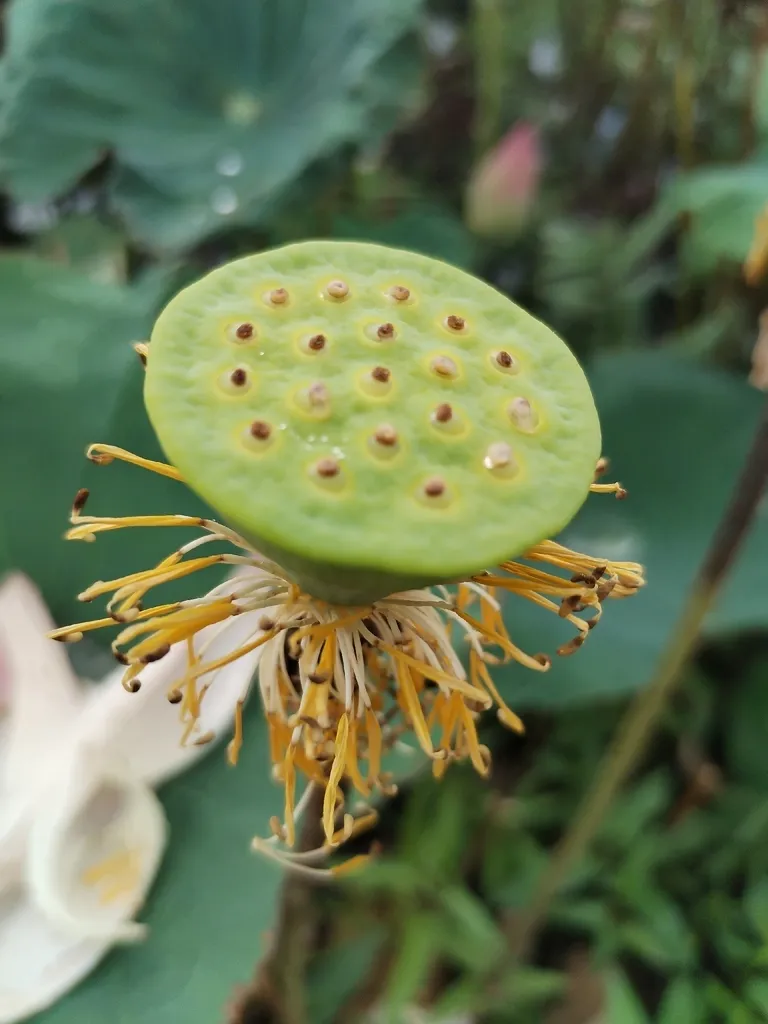



sacred lotus

sacred lotus · Temperature

sacred lotus · Nelumbo nucifera
Also known as: Chinese arrowroot; Chinese waterlily; East Indian lotus; Eastern lotus; Egyptian sacred bean; Indian lotus; padma; water bean

Indian Lotus is treasured for its beauty but requires special attention for optimal growth. It thrives in stagnant, warm, and sunny conditions with loamy or clayey soil. A key care point for indian Lotus is managing its aquatic habitat, ensuring sufficient water depth for root establishment and temperature regulation. Another involves the regular fertilization during the growing season for vigorous blooming. Given its specific needs, indian Lotus is considered difficult to maintain, especially for novice gardeners.

Watering: Moderate regular watering, avoid prolonged drought or waterloggingSunlight: Full sunInformation to be completed

What Is the Ideal Temperature Range for sacred lotus?

Indian Lotus is resilient to temperature fluctuations, tolerating cold down to 0℃ (32℉) and heat up to 38℃ (100℉). This temperature tolerance makes indian Lotus suitable for diverse climates. During extreme cold, the plant may exhibit symptoms like wilting or browning of leaves. In heat, leaves might scorch or curl. To care for indian Lotus, protective measures are critical: use mulch in cold conditions and shade cloth during extreme heat. This adaptability allows indian Lotus to thrive but requires attention to weather forecasts to implement these countermeasures effectively.

PlantCare

Your Ultimate Guide to Plants

Identify, grow and nurture the better way!

PlantCare plant identification and care illustration
PlantCare

Botanist in your pocket

Scan to download PlantCareDownload on the App Store

Scan the QR code with your phone camera to download the app