
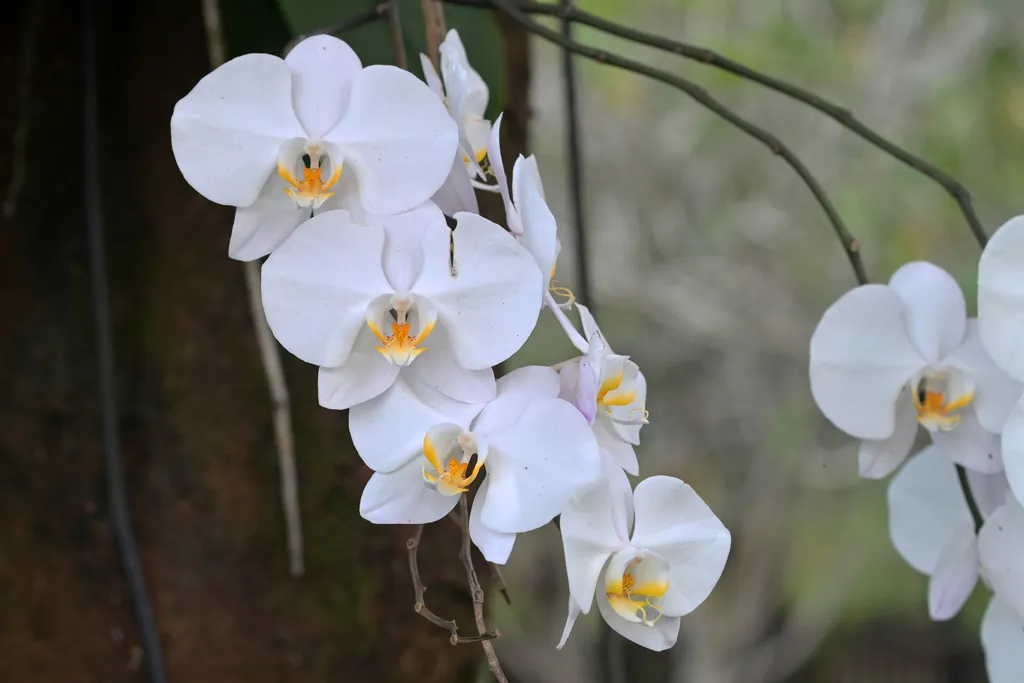



East Indian butterfly plant

East Indian butterfly plant · Temperature

East Indian butterfly plant · Phalaenopsis amabilis

Moth orchid is popular for its long-lasting flowers and adaptability to indoor environments, often considered easy to care for. A special care point for moth orchid includes ensuring high humidity and adequate, indirect light, avoiding direct sunlight that can scorch the leaves. Overwatering is a common pitfall, so water only when the medium is dry to the touch. Lastly, moth orchid thrives in a consistent temperature range, avoiding cold drafts and extreme heat.

Watering: Water when bark medium is nearly dry, avoid standing waterSunlight: Partial shadeInformation to be completed

What Is the Ideal Temperature Range for East Indian butterfly plant?

Moth orchid demonstrates moderate resilience to temperature variances, tolerating a range from 41°F (5°C) to 109°F (43°C). Despite this, it is sensitive to sudden temperature extremes. During cold snaps, moth orchid may show wilting or yellowing leaves, necessitating protective measures like indoor relocation. Conversely, excessive heat can cause leaf scorch or flower drop, requiring shading and increased humidity. Skilled care is vital for managing such fluctuations, implying the plant excels in controlled environments versus erratic climates. Monitoring and adjusting conditions as needed ensures moth orchid thrives despite its sensitivity.

PlantCare

Your Ultimate Guide to Plants

Identify, grow and nurture the better way!

PlantCare plant identification and care illustration
PlantCare

Botanist in your pocket

Scan to download PlantCareDownload on the App Store

Scan the QR code with your phone camera to download the app