
East Indian butterfly plant
Also known as: Information to be completed
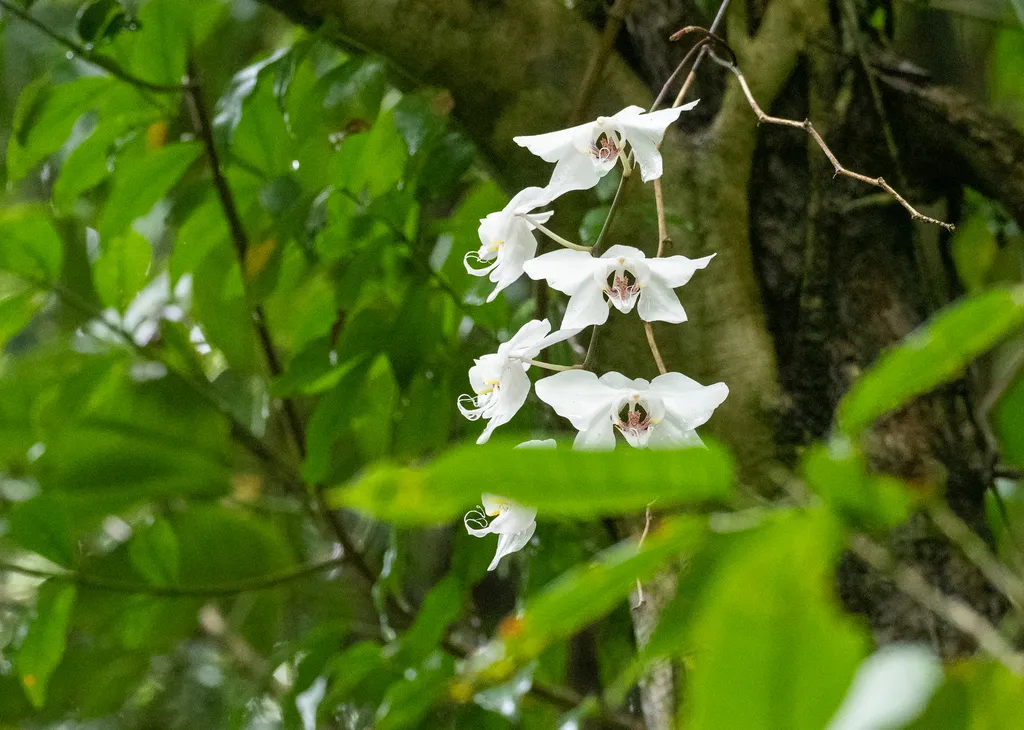
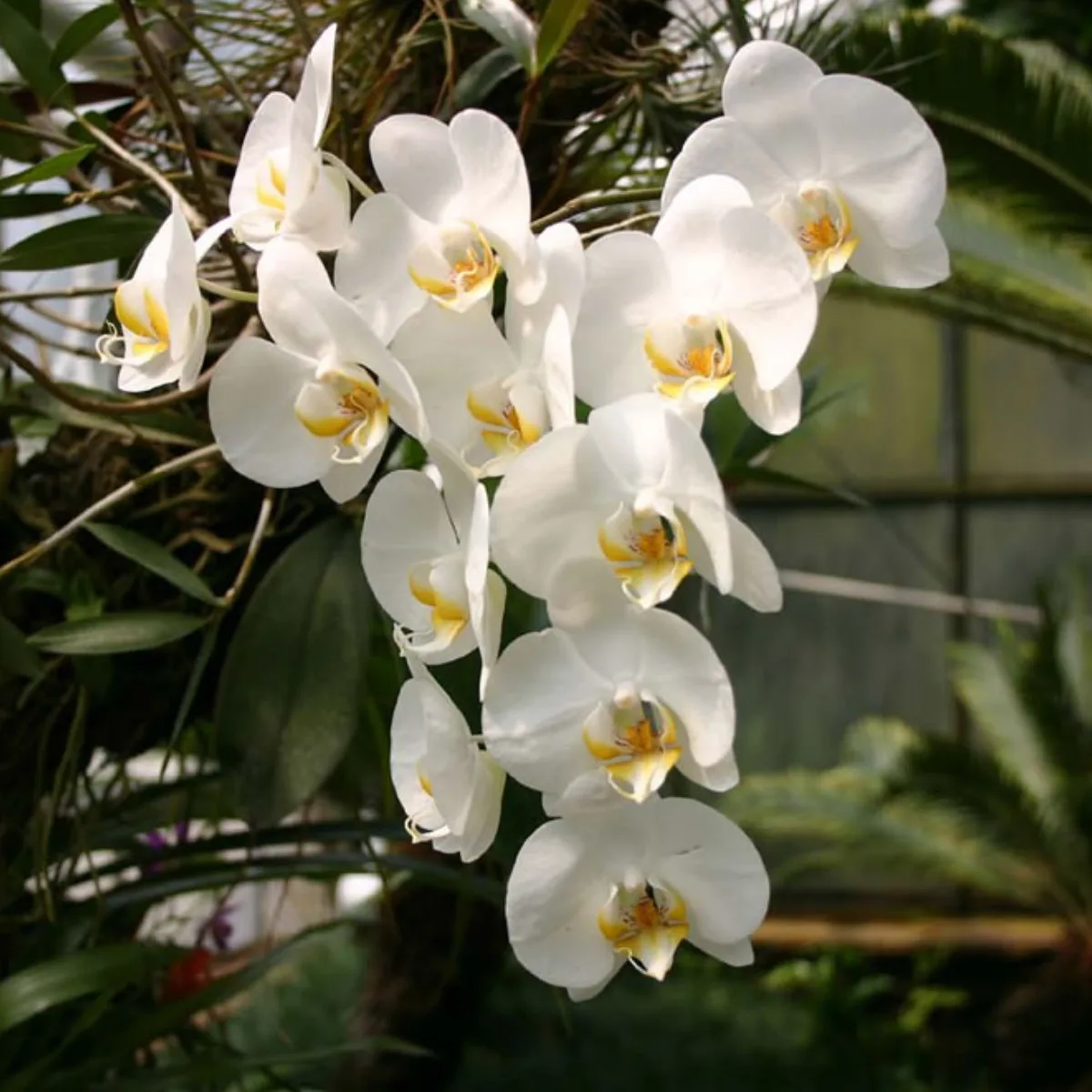
An upright orchid with between 3 and 5 broadly oval, fleshy leaves which grow to 50cm long. Numerous, scented, long-lasting white flowers, up to 10cm across, with a white and yellow lip and red throat are borne from autumn to early spring on branched racemes up to 1m tall
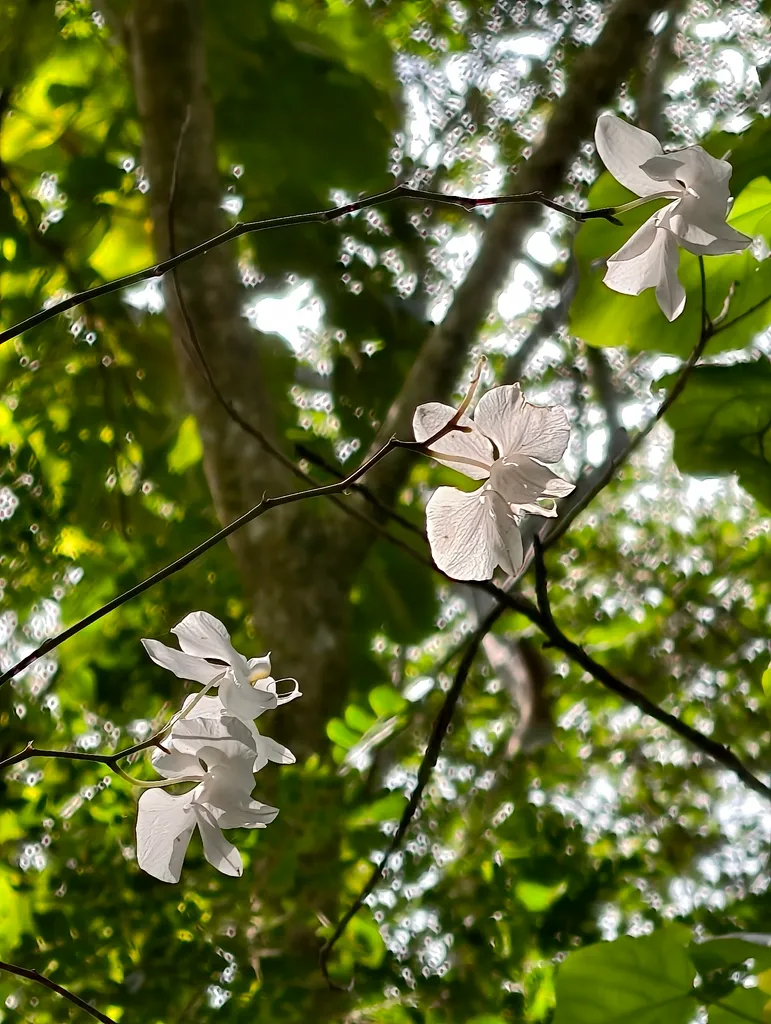
Scientific classification
- Species
- East Indian butterfly plant (Phalaenopsis amabilis)
- Genus
- Phalaenopsis
- Family
- Orchidaceae
- Information to be completed
- Toxicity
- Houseplants · Conservatory Greenhouse
- Plant type
- 0.5-1 metres
- Height
- 0.1-0.5 metres
- Spread
- Evergreen
- Foliage
- Columnar upright
- Habit
- Spring · Summer · Autumn · Winter
- Season of interest
- Partial shade
- Sunlight
- 20 – 28 °C
- Ideal temperature









East Indian butterfly plant pictures
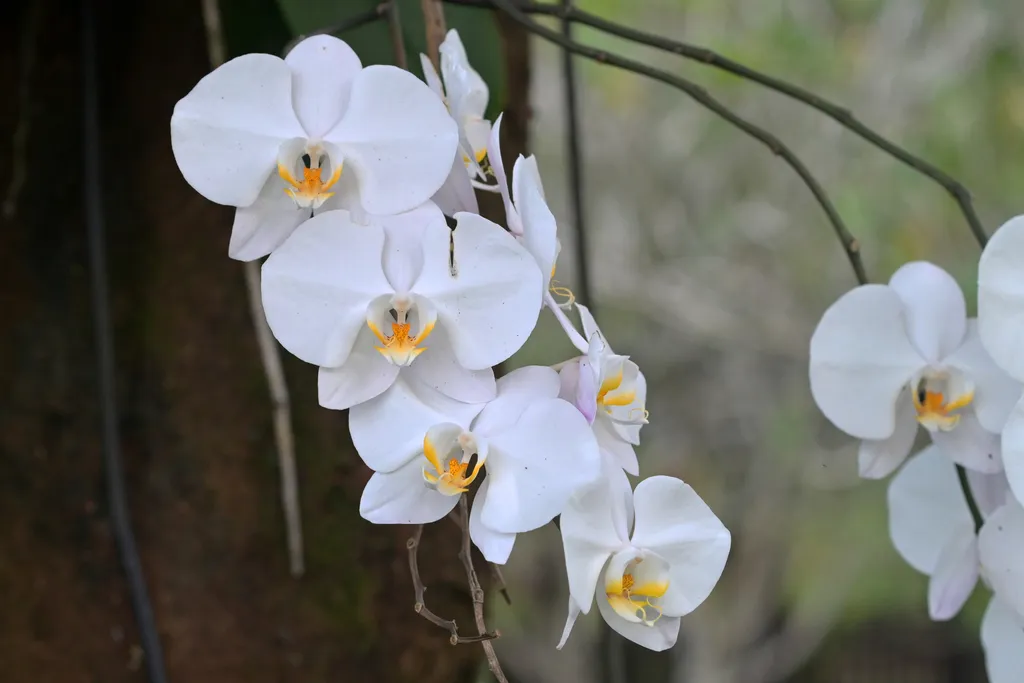
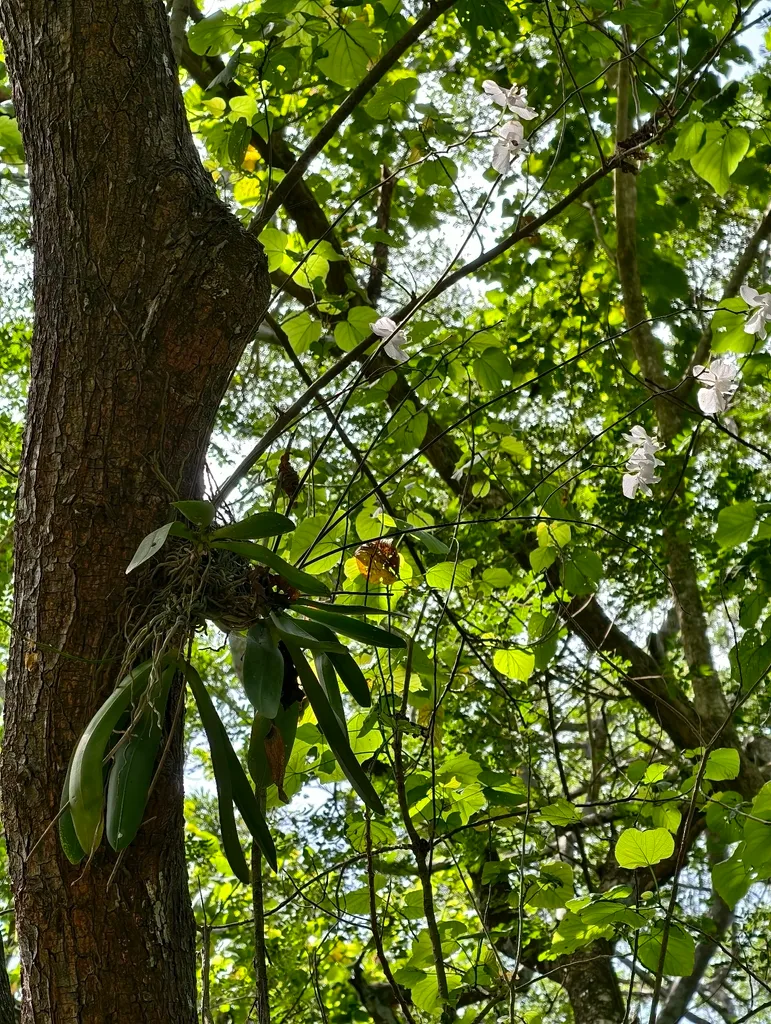
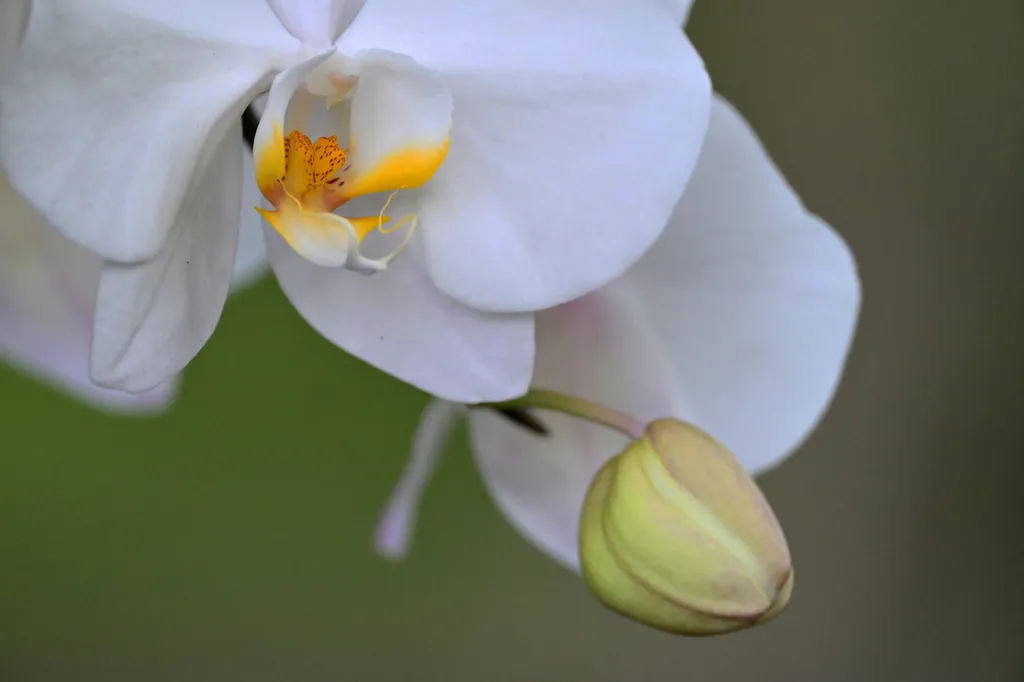
Distribution of East Indian butterfly plant
Distribution map
Eastern Indies, Australia
Information to be completed
Culture
Information to be completed
Toxicity
Information to be completed
Quick identification of East Indian butterfly plant
Information to be completed
East Indian butterfly plant care guide
- Water when bark medium is nearly dry, avoid standing water
- Watering
- Partial shade
- Sunlight
- 20 – 28 °C
- Ideal temperature

Watering
Water when bark medium is nearly dry, avoid standing water
Fertilizing
 Fertilizing
Weekly with weak fertilizer during growing season
Pruning
 Pruning
Cut back flowered stems to a lower node to encourage the production of further flowers
Propagation
 Propagation
Cuttings or offshoots (keikis) may root successfully when roots are 2cm long
Growing
 Growing
Grow in an open bark-based compost and position with good indirect light and warm even temperatures. Water thoroughly when compost has almost dried out and feed regularly. Do not leave standing in water. See Phalaenopsis cultivation
People also ask
Information to be completed
Common pests and diseases
Diseases
Generally disease-free
Pests
May be susceptible to aphids, glasshouse red spider mite, and mealybugs
Explore the plant health library →




