



Planting and Growing Peperomia polybotrya

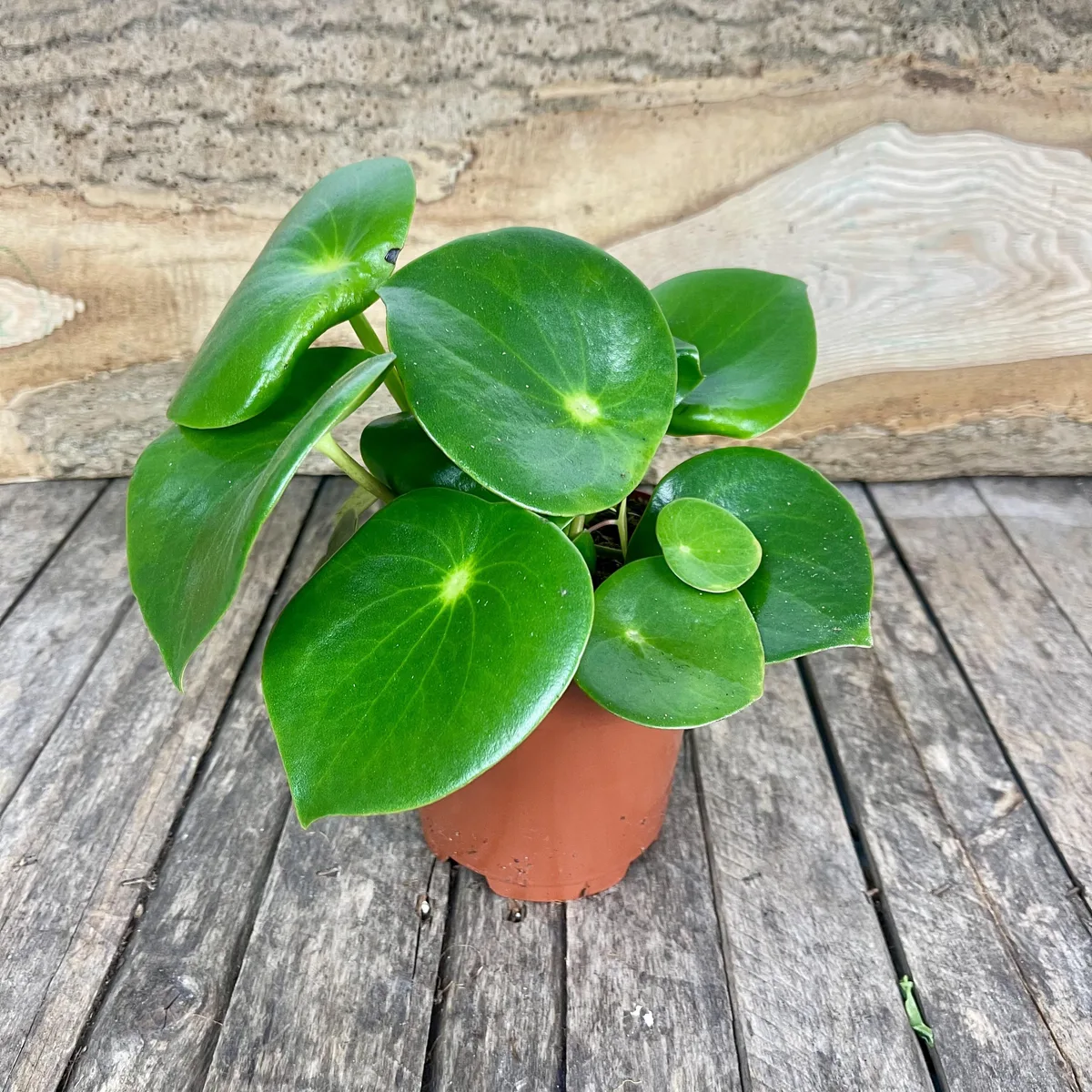
| Care difficulty | 2 / 5 |
|---|---|
| Watering schedule | Moderate regular watering, allowing brief slight drying between soakings |
| Sunlight requirements | Full sun · Partial shade |
| Ideal temperature | 18 – 27 °C |
| Soil type | Loam · Sand |
| Soil pH | Acid · Alkaline · Neutral |
| Soil moisture | Moist but well drained |
| Fertilizing | Balanced perennial feed every four weeks from spring through summer |
| Toxicity | Information to be completed |
How to Water Peperomia polybotrya?
Originating from the understory of tropical rainforests, coin leaf peperomia thrives in environments with high humidity and consistent moisture. This species exhibits a preference for evenly moist soil, reflecting its native habitat's conditions. Watering should be done once every week to maintain this balance. As an indoor plant that favors stable temperatures, coin leaf peperomia benefits from being placed in areas where humidity can be controlled, ensuring optimal growth and preventing water stress.
Learn more →What Are the Sunlight Requirements for Peperomia polybotrya?
Coin leaf peperomia thrives best under partial sun conditions, benefiting from bright but indirect light throughout the day. This light quality ensures vigorous growth and maintains the lush, vibrant green of its coin-shaped leaves. While coin leaf peperomia can tolerate full sun, excessive direct sunlight may lead to leaf scorch, which could affect the plant's health and stunt its growth. Optimal light exposure includes placing it in spots where it receives filtered sunlight for most of the day, making it well-suited for indoor environments like near a window with sheer curtains. Adapting well to these conditions, coin leaf peperomia demonstrates its resilience and remains an ideal choice for indoor plant enthusiasts seeking minimal upkeep.
Learn more →What Is the Ideal Temperature Range for Peperomia polybotrya?

Coin leaf peperomia exhibits moderate resilience to temperature variations, with a noted cold tolerance down to 5℃ (41°F) and heat tolerance up to 45℃ (113°F). Despite this, coin leaf peperomia's care requires attention to avoid prolonged exposure to such extremes. Under cold conditions, symptoms like leaf drooping and discoloration may occur, while high heat can cause leaf scorching and wilting. Protective measures, such as insulating against cold or providing shade and increased humidity in heat, are essential. This adaptability makes coin leaf peperomia versatile for various environments, but consistent monitoring and adjusting care practices are critical for maintaining its health.
Learn more →What Soil Is Best for Peperomia polybotrya?
Coin leaf peperomia thrives in well-aerated soil with excellent drainage to prevent water-logging. Use a mix of potting soil and perlite or pumice in equal parts. If perlite or pumice is unavailable, substitute with coarse sand. Ensure the pot has drainage holes. Monthly application of a balanced, diluted liquid fertilizer during the growing season can enhance growth. Avoid overwatering, allowing the soil to dry slightly between waterings.
- Soil type
- Loam · Sand
- Soil pH
- Acid · Alkaline · Neutral
What Are the Moisture Requirements for Peperomia polybotrya?
Moist but well drained
Learn more →How to Fertilize Peperomia polybotrya?

Fertilize coin leaf peperomia every 3-4 weeks during active growth in spring and summer with high nitrogen fertilizer diluted to half-strength to encourage foliage health and vibrant growth. Reduce feeding in fall and winter to once every 6-8 weeks. Apply sparingly to avoid root burn. Uneven growth or pale leaves indicate the need for slight adjustments in fertilizer concentration or frequency. For mature coin leaf peperomia, a consistent, balanced feeding regimen ensures optimal health. Always water before fertilizing to protect the roots.
Learn more →How to Prune Peperomia polybotrya?

Characterized by its coin-shaped leaves and compact growth, coin leaf peperomia benefits from regular pruning to maintain health and shape. Optimal pruning periods are early to late spring, aligned with the plant's active growth phase. Trim leggy or damaged stems to encourage new growth and fuller appearance. Removing old foliage prevents disease and pest issues, promoting vigorous growth. Always use clean, sharp tools to avoid plant tissue damage and minimize infection risks. Regular pruning ensures a lusher, more vibrant plant.
Learn more →How to Propagate Peperomia polybotrya?

Belonging to the Piperaceae family, coin leaf peperomia is a succulent perennial known for its lush foliage resembling miniature lily pads. The favored method for multiplying coin leaf peperomia involves stem or leaf cuttings. Stem cuttings should include a node, while leaf cuttings can be snipped across the leaf. These cuttings readily root in a well-draining soil mix, preferably kept moist and warm to encourage growth. Ensuring indirect sunlight and high humidity can enhance rooting success. Once established, coin leaf peperomia exhibits robust growth and low maintenance, making it an ideal houseplant for enthusiasts to share and cultivate.
Learn more →How to Transplant Peperomia polybotrya?
The best time to transplant coin leaf peperomia is during the balmy days of late spring to early summer, ensuring stable growth. Choose a spot with bright, indirect light and provide ample humidity. Gently re-home, keeping its delicate roots in mind.
Learn more →How to Care for Peperomia polybotrya in Winter?

Information to be completed
Learn more →How to Plant Peperomia polybotrya?
Indoors-potted: Thriving indoors, coin leaf peperomia enjoys consistent temperatures; protect it from drafts for lush, ornamental foliage. Outdoors-potted: Coin leaf peperomia, when potted outside, may need shelter during harsh weather to maintain its decorative appeal. Outdoors-in the ground: While adaptable, coin leaf peperomia prefers a stable outdoor environment without extreme changes to flourish in the ground.
Learn more →How to Repot Peperomia polybotrya?
Coin leaf peperomia thrives when repotted biennially to sustain its compact, heart-shaped foliage. The optimal time to repot is in spring, facilitating the season's vigorous growth period. Choose a pot slightly larger than its current one for adequate root expansion. After repotting, maintain moist soil and indirect light to ease coin leaf peperomia back into healthy growth without overwhelming it.
Learn more →How to Harvest Peperomia polybotrya?

Information to be completed
Learn more →Common Pests & Diseases

Diseases
Generally disease-free
Pests
Generally pest-free
Explore the plant health library →The Toxicity of Peperomia polybotrya
Information to be completed