



Planting and Growing perennial phlox

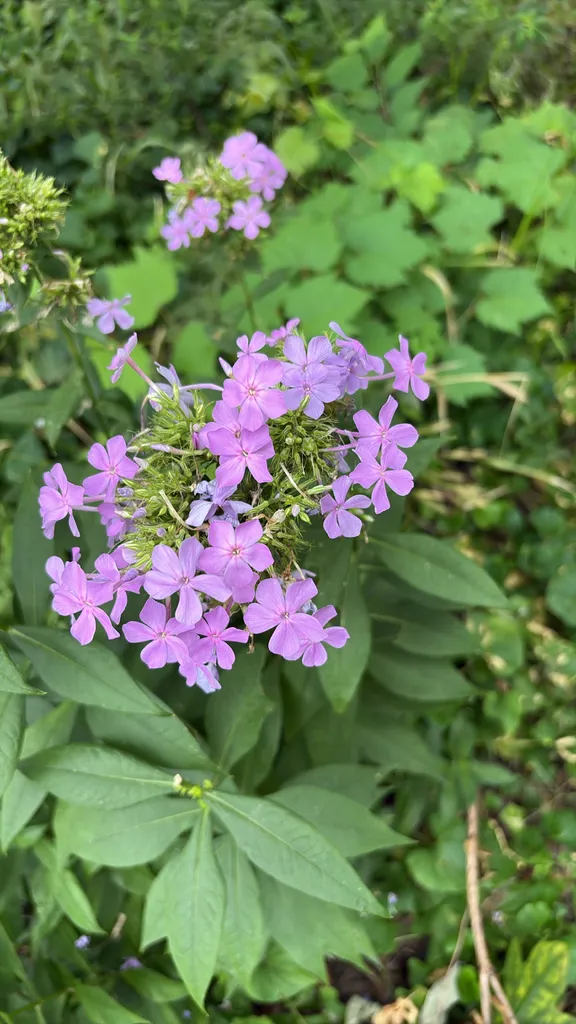
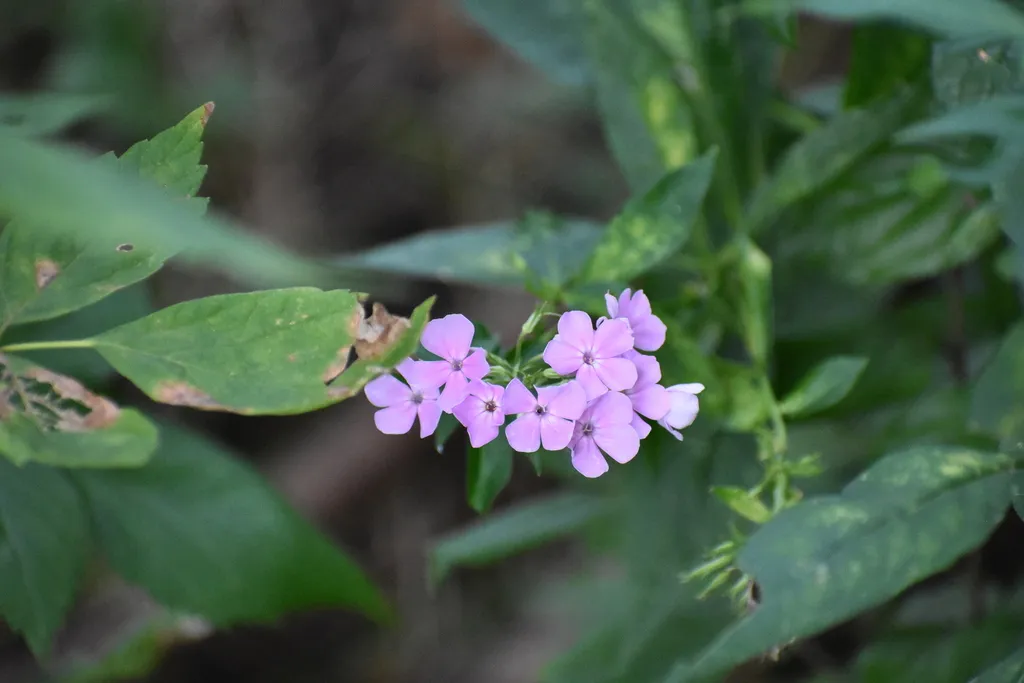
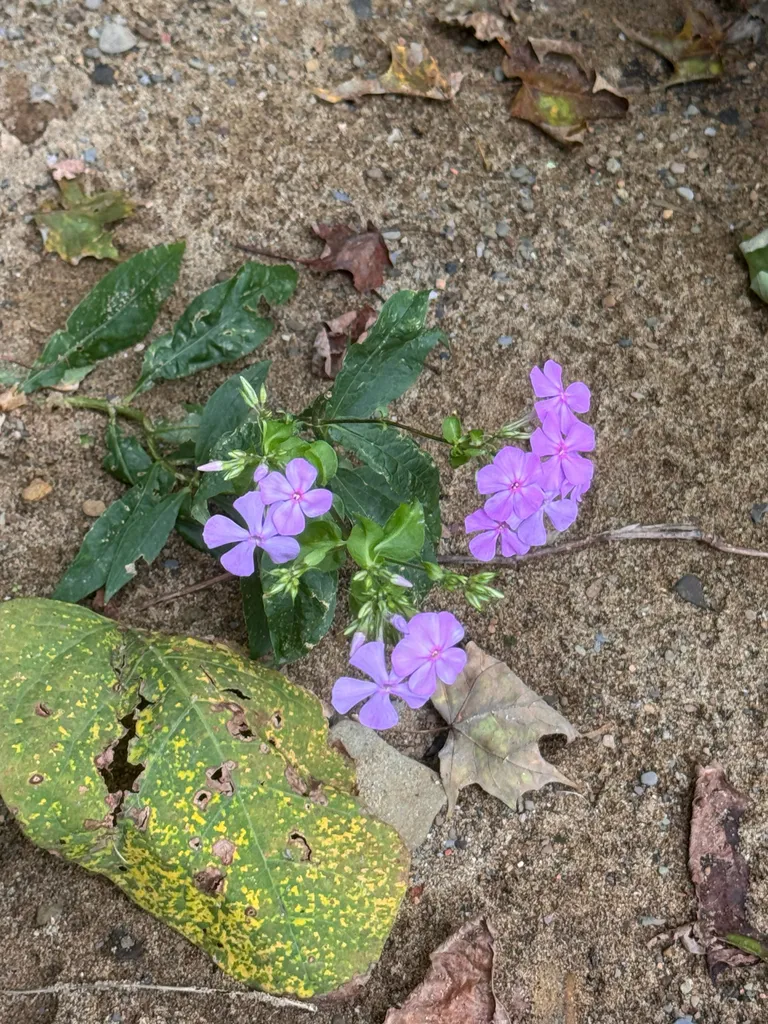
| Care difficulty | 2 / 5 |
|---|---|
| Watering schedule | Moderate regular watering, allowing brief slight drying between soakings |
| Sunlight requirements | Full sun · Partial shade |
| Ideal temperature | 15 – 25 °C |
| Soil type | Chalk · Clay · Loam · Sand |
| Soil pH | Acid · Alkaline · Neutral |
| Soil moisture | Moist but well drained |
| Fertilizing | Balanced perennial feed every four weeks from spring through summer |
| Toxicity | Information to be completed |
How to Water perennial phlox?
Thriving in its native rich, moist soil, garden phlox exhibits a preference for consistent moisture, mirroring the conditions of its origin. With a moderate drought tolerance, it maintains a balance by preferring regular hydration without being waterlogged. The ideal watering regimen for garden phlox is once every week to sustain its lush growth. Typically grown outdoors due to its affinity for full sun exposure, garden phlox benefits from mulching to retain soil moisture and reduce the need for frequent watering during the peak growing season.
Learn more →What Are the Sunlight Requirements for perennial phlox?
Garden phlox thrives best in full sun conditions, where it can receive direct sunlight for at least six hours each day. This maximizes its potential for growth, health, and abundant flowering. Garden phlox is also tolerant of partial sun, where it receives some shade especially during the hottest parts of the day. In less than ideal light conditions, such as prolonged shade or low light, garden phlox's growth and blooming capabilities are likely to be reduced. Outdoors, garden phlox should be planted in a location that receives ample morning sunlight and some afternoon shade to protect it during peak intensity, ensuring a vibrant display of flowers.
Learn more →What Is the Ideal Temperature Range for perennial phlox?

Garden phlox demonstrates commendable temperature resilience, tolerating cold down to 0°C (32°F) and heat up to 38°C (100°F). This adaptability influences its care; in cold climates, measures such as mulching or covering may be necessary, while shade and adequate watering help in extreme heat. Signs of stress include wilting, leaf yellowing, or browning in excessive heat, and frost damage or blackened foliage in severe cold. To counter these, ensure proper insulation during frosts and regular watering plus shade in high temperatures, maintaining the plant's health efficiently.
Learn more →What Soil Is Best for perennial phlox?
- Soil type
- Chalk · Clay · Loam · Sand
- Soil pH
- Acid · Alkaline · Neutral
What Are the Moisture Requirements for perennial phlox?
Moist but well drained
Learn more →How to Fertilize perennial phlox?

For optimal growth, garden phlox benefits from balanced nutrition fertilizers, shifting to high phosphorus formulas pre-bloom to enhance flowering. Apply granular fertilizer sparingly in early spring as new growth appears, and again during early blooming. A liquid feed monthly supports ongoing vigor, especially in poor soil. Too much fertilizer can spur leggy growth, while insufficient fertilization may lead to weak blooms. Seasonal changes dictate adjustments; decrease application in late fall and avoid winter fertilization. Protective gloves and following label instructions ensure safe application. Effective fertilization involves even distribution and watering after application to aid absorption.
Learn more →How to Prune perennial phlox?

Garden phlox features tall, erect stems and fragrant, colorful flower clusters. Pruning should be done in early to late spring to encourage robust growth and flowering. Remove dead or weak stems at the base, trim back healthy stems by one-third to promote bushier growth, and thin crowded areas to enhance air circulation. Deadhead spent blooms to extend the flowering period. Pruning helps prevent mildew, encourages a neater appearance, and results in a healthier, more vigorous plant.
Learn more →How to Propagate perennial phlox?

Garden phlox is commonly propagated through sowing in spring. It is an easy-to-grow plant, with successful propagation indicated by new shoots emerging. Ensure proper drainage and moisture retention for optimal germination.
Learn more →How to Transplant perennial phlox?
The best time to transplant garden phlox is during the delightful period of mid-spring to early summer, ensuring optimal growth. Choose a well-draining location with ample sunlight for garden phlox, and handle its delicate roots with care.
Learn more →How to Care for perennial phlox in Winter?

Information to be completed
Learn more →How to Plant perennial phlox?
Indoors-potted: Cherish your garden phlox indoors by ensuring ample space for its growth, as it loves to stretch out. Outdoors-potted: In outdoor pots, rotate your garden phlox occasionally to promote even flourishing and prevent leaning. Outdoors-in the ground: Garden phlox thrives in open spaces; give it room to showcase its vibrant blooms in your garden.
Learn more →How to Repot perennial phlox?
Garden phlox, a tall, vibrant perennial favored for its clustered blooms, thrives best when repotted every 2-3 years, ideally in spring. Choose a medium-sized pot that provides ample room for growth. Post-repotting, keep the soil consistently moist and ensure garden phlox receives ample sunlight for robust flourishing.
Learn more →How to Harvest perennial phlox?

Information to be completed
Learn more →Common Pests & Diseases

Diseases
May be susceptible to powdery mildews, grey moulds, leafy gall and leaf spot
Pests
May be susceptible to phlox eelworm
Explore the plant health library →The Toxicity of perennial phlox
Information to be completed