
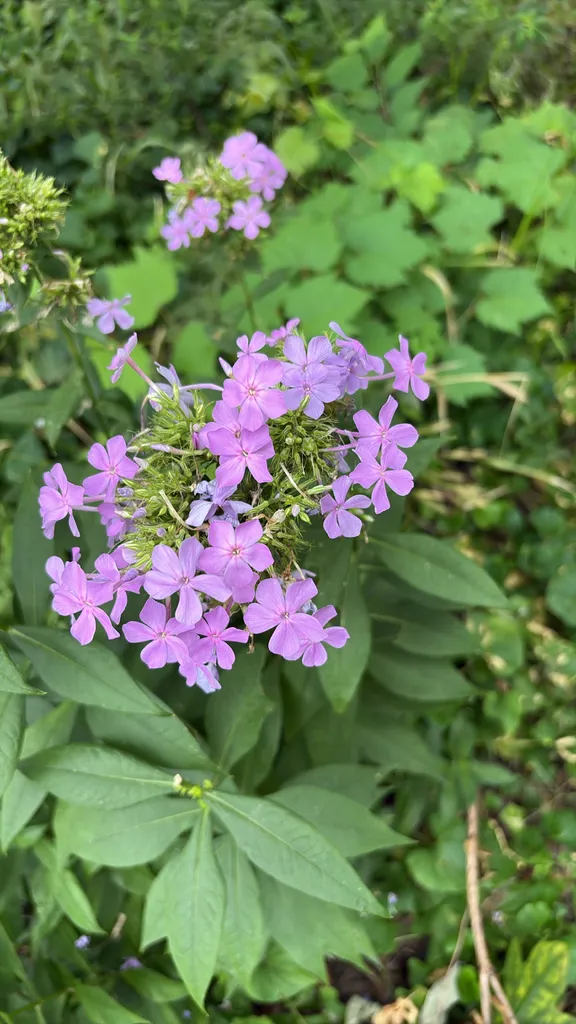



perennial phlox

perennial phlox · Pruning

perennial phlox · Phlox paniculata
Also known as: autumn phlox; cross-leaved phlox; fall phlox; summer perennial phlox; summer phlox; tall garden phlox

Garden phlox thrives in well-draining, fertile soil with consistent moisture. It requires full to partial sun exposure for optimal growth. A special care point for garden phlox includes deadheading spent flowers to promote further blooming and prevent self-seeding. Additionally, providing good air circulation is key to prevent powdery mildew, which garden phlox is prone to, especially in humid conditions.

Watering: Moderate regular watering, allowing brief slight drying between soakingsSunlight: Full sun · Partial shadeInformation to be completed

How to Prune perennial phlox?

Garden phlox features tall, erect stems and fragrant, colorful flower clusters. Pruning should be done in early to late spring to encourage robust growth and flowering. Remove dead or weak stems at the base, trim back healthy stems by one-third to promote bushier growth, and thin crowded areas to enhance air circulation. Deadhead spent blooms to extend the flowering period. Pruning helps prevent mildew, encourages a neater appearance, and results in a healthier, more vigorous plant.