
perennial phlox
Also known as: autumn phlox; cross-leaved phlox; fall phlox; summer perennial phlox; summer phlox; tall garden phlox
An upright perennial to 1.2m high with stems carrying broadly lance-shaped, slightly toothed leaves. Pink, purple or white flat-faced flowers, often strongly scented, are grouped in domed clusters and borne atop the leafy stems from mid- to late summer
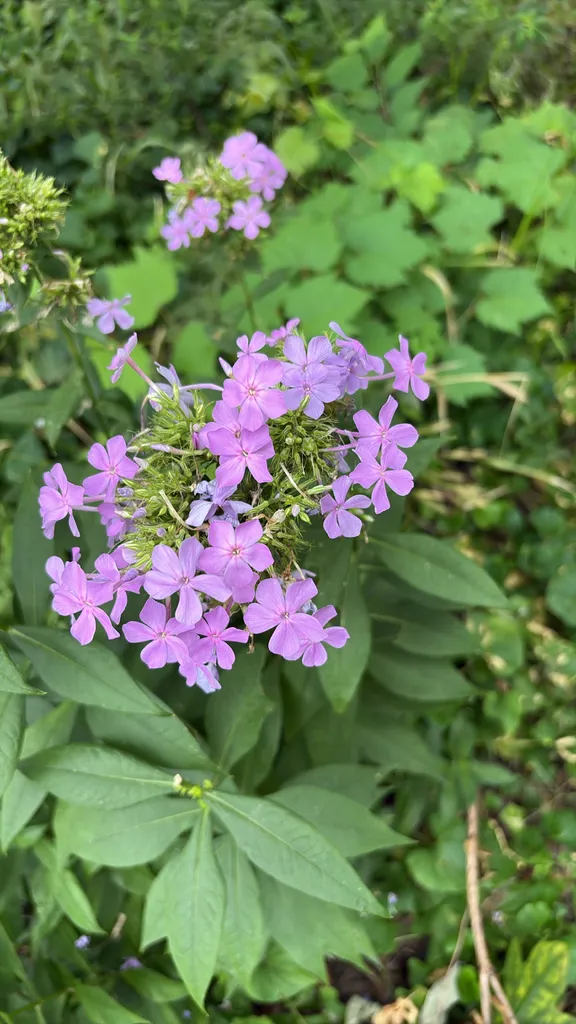
Scientific classification
- Species
- perennial phlox (Phlox paniculata)
- Genus
- Phlox
- Family
- Polemoniaceae
- Information to be completed
- Toxicity
- Herbaceous Perennial
- Plant type
- 1-1.5 metres
- Height
- 0.5-1 metres
- Spread
- Deciduous
- Foliage
- Clump forming
- Habit
- Spring · Summer · Autumn
- Season of interest
- Full sun · Partial shade
- Sunlight
- 15 – 25 °C
- Ideal temperature









perennial phlox pictures
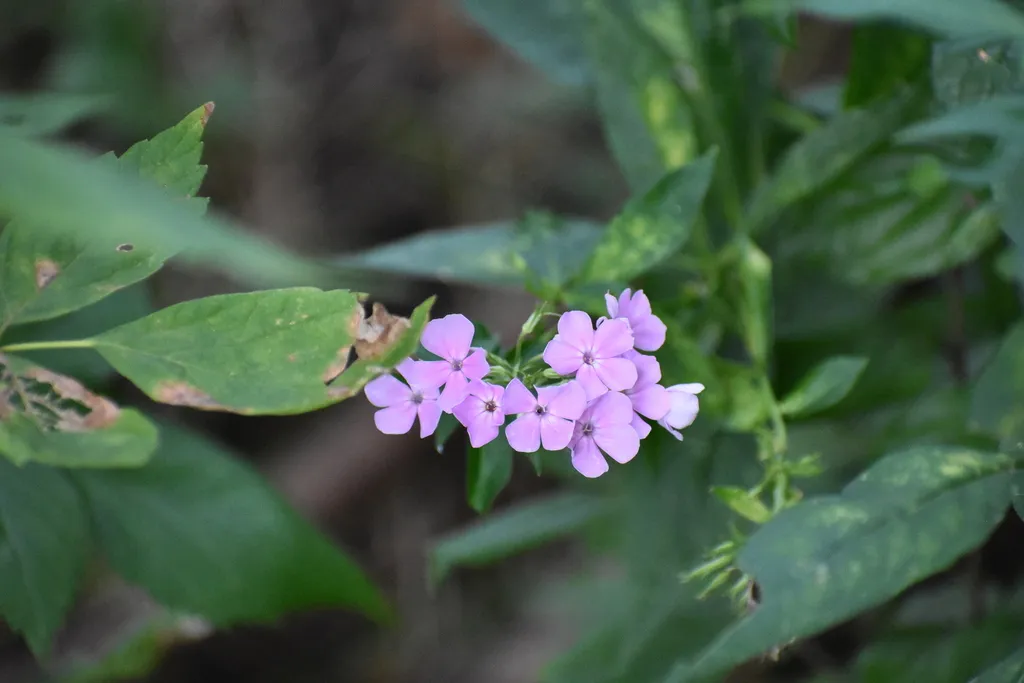
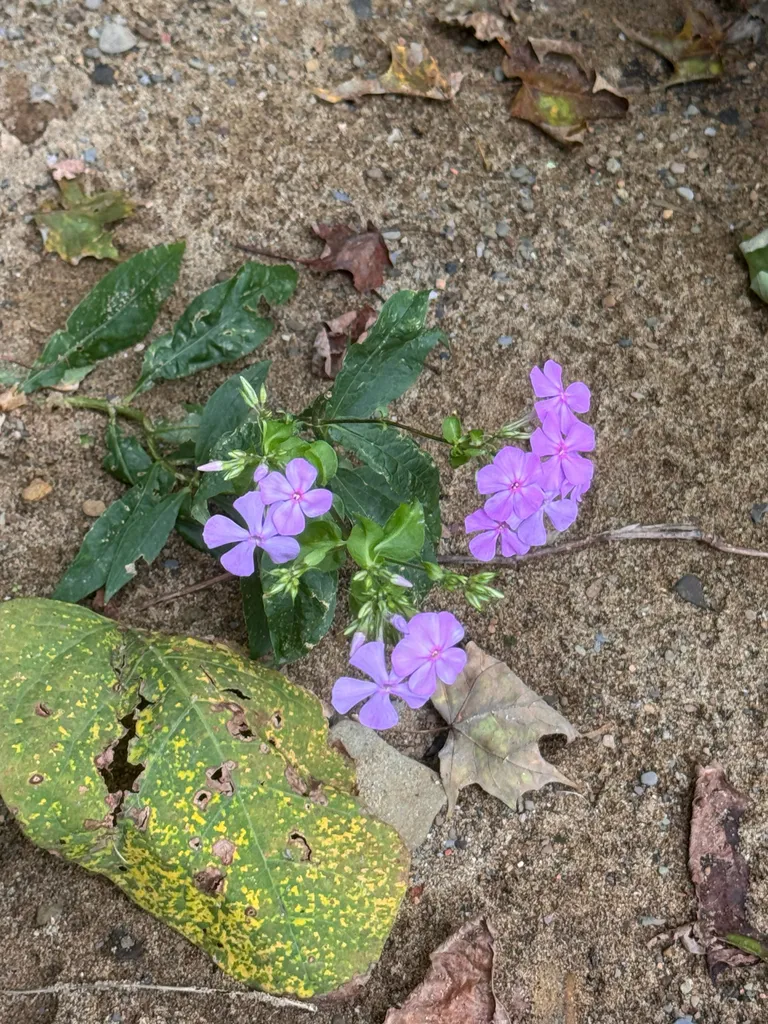
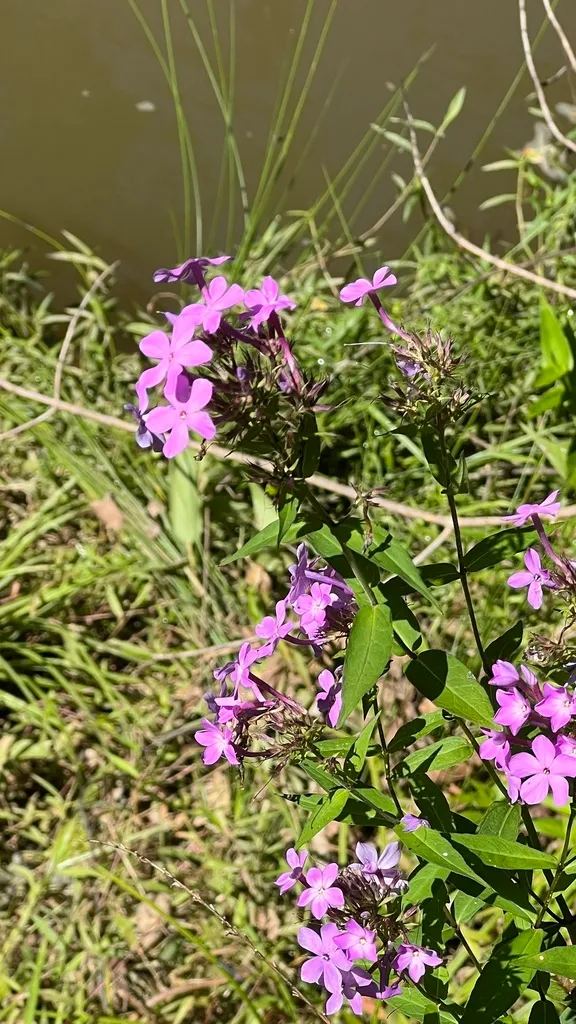
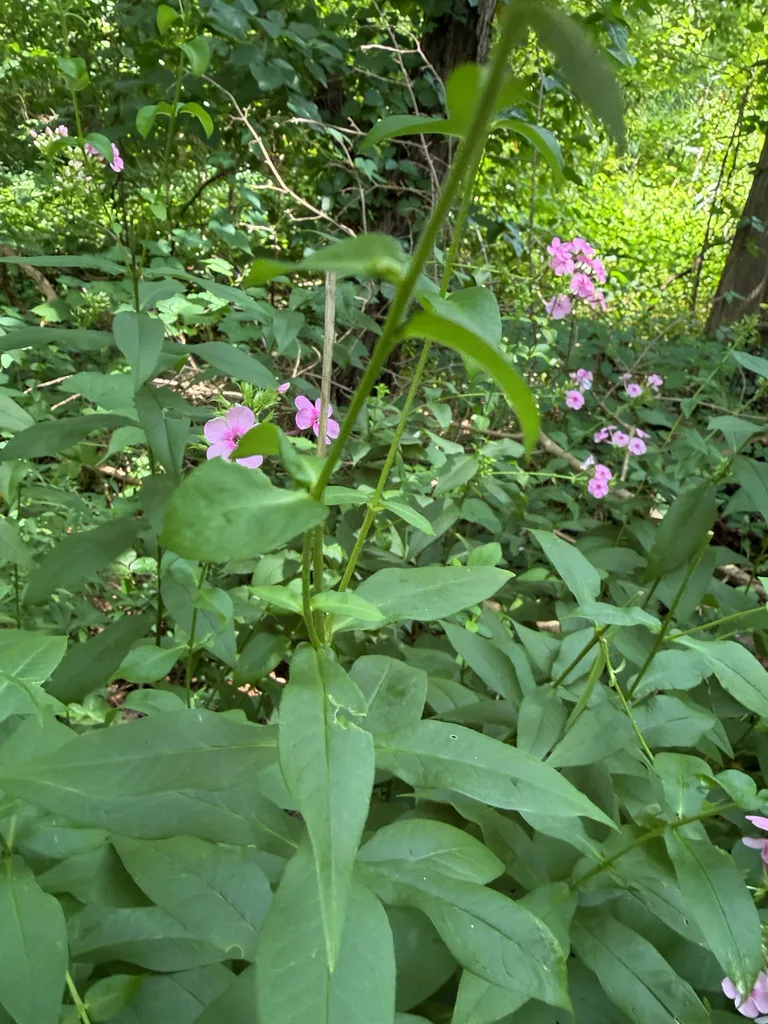
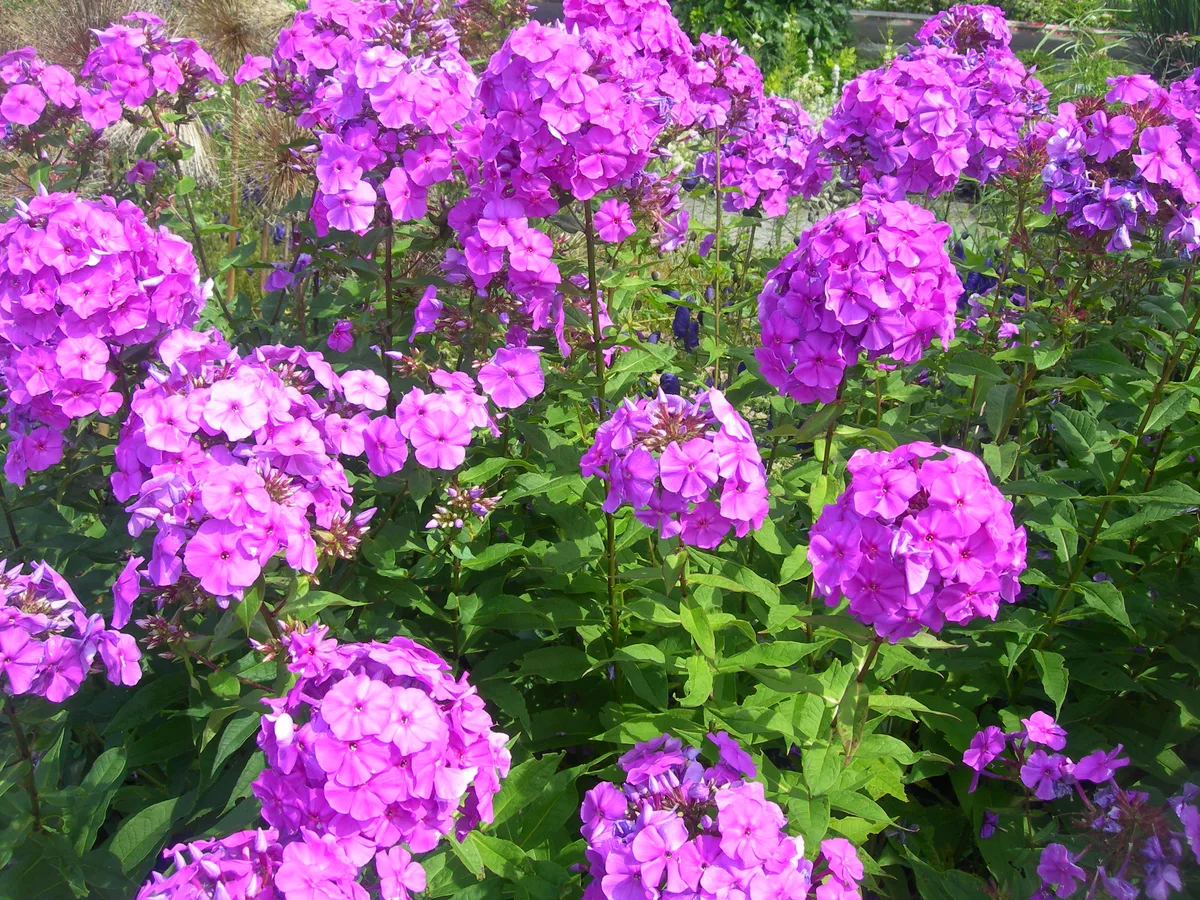
Distribution of perennial phlox
Distribution map
Eastern USA
Information to be completed
Culture
Information to be completed
Toxicity
Information to be completed
Quick identification of perennial phlox
Information to be completed
perennial phlox care guide
- Moderate regular watering, allowing brief slight drying between soakings
- Watering
- Full sun · Partial shade
- Sunlight
- 15 – 25 °C
- Ideal temperature

Watering
Moderate regular watering, allowing brief slight drying between soakings
Fertilizing
 Fertilizing
Balanced perennial feed every four weeks from spring through summer
Pruning
 Pruning
Deadhead to prolong flowering then cut down to the base in late autumn
Propagation
 Propagation
Propagate by division in autumn or spring, by basal cuttings in spring or by root cuttings in early autumn or winter
Growing
 Growing
Grow in average to rich, evenly-moist soil in full sun or light shade
People also ask
Information to be completed
Common pests and diseases
Diseases
May be susceptible to powdery mildews, grey moulds, leafy gall and leaf spot
Pests
May be susceptible to phlox eelworm
Explore the plant health library →




