



Planting and Growing Swedish ivy

| Care difficulty | 1 / 5 |
|---|---|
| Watering schedule | Let upper soil layer dry slightly before each regular watering session |
| Sunlight requirements | Partial shade |
| Ideal temperature | 15 – 25 °C |
| Soil type | Loam · Sand |
| Soil pH | Acid · Alkaline · Neutral |
| Soil moisture | Moist but well drained · Well drained |
| Fertilizing | Mild balanced foliage feed once monthly spring through autumn months |
| Toxicity | Information to be completed |
How to Water Swedish ivy?
Originating from the shaded and humid environments of southern Africa, swedish ivy thrives in conditions that mimic its native subtropical climate. It favors consistent moisture but is adaptable to brief dry spells, making it moderately drought-tolerant. Watering should be done every week to maintain optimal hydration. Indoors, where swedish ivy is commonly cultivated, ensuring adequate humidity is key for this evergreen plant to flourish, as it mirrors the moist air of its natural habitat.
Learn more →What Are the Sunlight Requirements for Swedish ivy?
Swedish ivy thrives in partial sun where it receives gentle but ample light. While it can tolerate a range from full sun to full shade, deviations from its preferred partial sunlight may lead to less vigorous growth and potential leaf discoloration. In full sun, swedish ivy's leaves may become pale, indicating light stress, whereas deeper shade can result in legginess as it stretches for more light. Indoors, it prospers near east or west-facing windows. Outdoors, swedish ivy flourishes under the dappled light of taller plants, enhancing its growth and rich green foliage.
Learn more →What Is the Ideal Temperature Range for Swedish ivy?

Swedish ivy exhibits notable resilience to temperature variations, tolerating cold as low as 5℃ (41℉) and heat up to 43℃ (109℉). This flexibility aids in its adaptability to various environments but necessitates protective measures during extreme weather. Under cold conditions, swedish ivy may show signs of leaf drop or discoloration. Conversely, excessive heat can cause wilting or burnt leaves. If overcooling occurs, move swedish ivy to a warmer spot and consider using a heat mat. In sweltering temperatures, provide shade and ensure adequate watering. Such care ensures swedish ivy thrives despite temperature extremes.
Learn more →What Soil Is Best for Swedish ivy?
For optimal health, swedish ivy requires well-aerated, well-draining soil. A suitable mix can be made using equal parts potting mix, perlite, and peat moss. Ensure good drainage by using a pot with holes or adding a layer of gravel at the bottom. Supplement growth with a balanced liquid fertilizer every 4-6 weeks during the growing season.
- Soil type
- Loam · Sand
- Soil pH
- Acid · Alkaline · Neutral
What Are the Moisture Requirements for Swedish ivy?
Moist but well drained · Well drained
Learn more →How to Fertilize Swedish ivy?

For swedish ivy, use high-nitrogen fertilizer every 2-3 weeks during active growth in spring and summer to support lush foliage. Reduce to monthly in fall, and pause in winter. Apply per product guidelines, mixing at half-strength to prevent root burn. Benefits include robust growth and vibrant leaves. For juvenile swedish ivy, lighter feedings encourage root establishment without overstimulation. Mature swedish ivy respond well to consistent feeding, enhancing their ornamental appeal. Use liquid or granular fertilizer, and ensure the soil is moist before applying to protect the roots. Avoid over-fertilization, which can lead to weak growth and pest problems.
Learn more →How to Prune Swedish ivy?

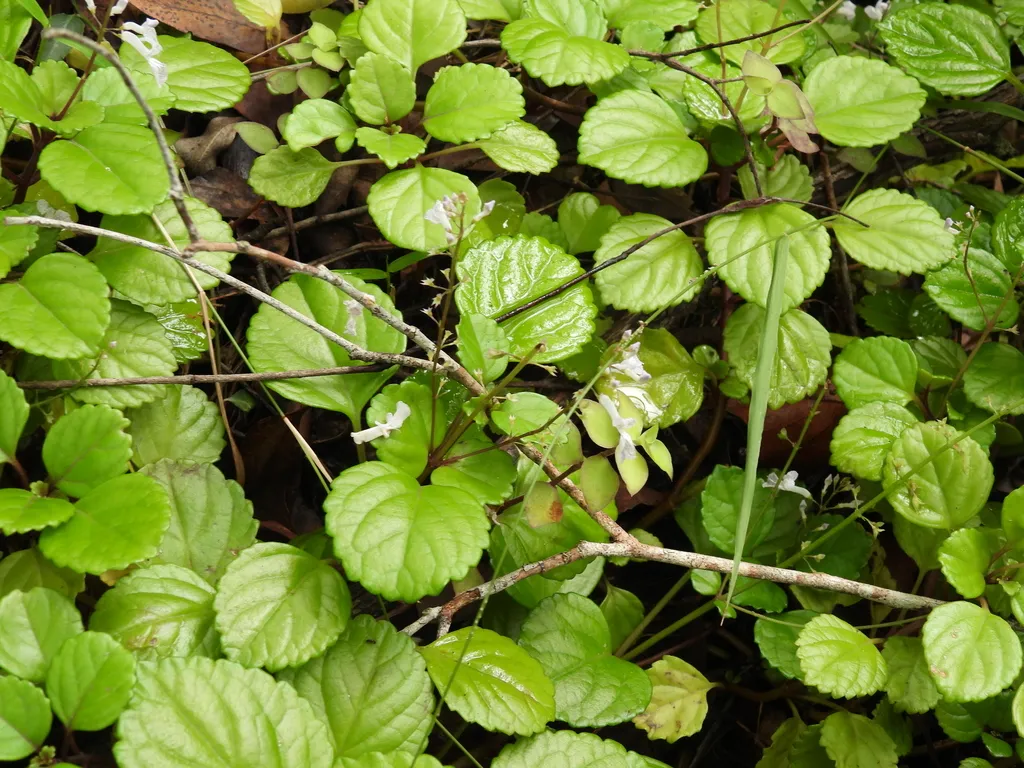
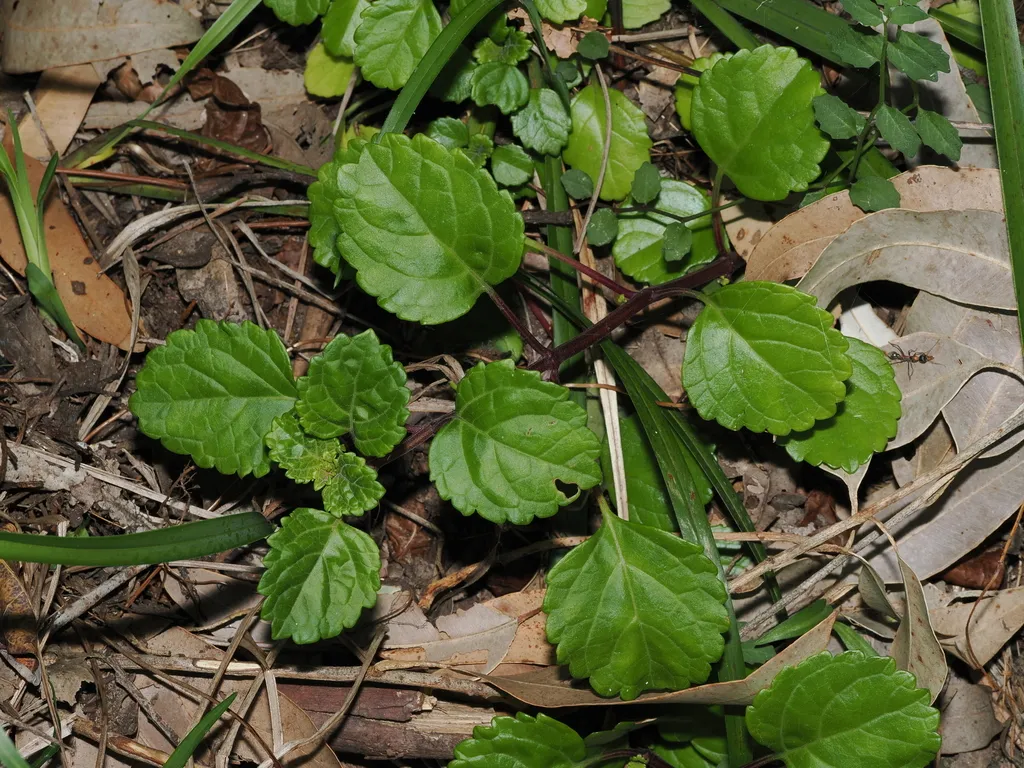
Swedish ivy is a vining plant known for its glossy, scalloped leaves and cascading habit. Key pruning techniques include pinching back new growth to encourage bushiness and removing leggy stems to maintain shape. Optimal pruning occurs from early to later spring, aligning with its growth cycle. Regular pruning prevents overgrowth, enhances air circulation, and promotes a fuller appearance. Pruning also stimulates healthier, more vigorous growth, contributing to the overall aesthetics and health of the plant.
Learn more →How to Propagate Swedish ivy?

Swedish ivy's propagation habit involves herbaceous cuttings, which are best taken in the spring or summer. Propagation difficulty varies, but success can be indicated by the development of roots and new growth. Guard against overwatering by allowing the cutting to dry out slightly between watering.
Learn more →How to Transplant Swedish ivy?
The ideal season for transplanting swedish ivy is from late summer to mid-fall, as this timing ensures strong root development and acclimatization. Choose a location with well-draining soil, part shade to full sun exposure, and provide ample space for growth. Remember to water regularly post-transplant for best results!
Learn more →How to Care for Swedish ivy in Winter?

Originally from subtropical Africa, swedish ivy basks in warm, humid climates and naturally dwindles during cool seasons. In winter, gardeners should ensure an indoor escape for swedish ivy allowing ample sunlight. Regular misting helps emulate its native humidity. Mild winters may see swedish ivy outdoors, but always shield from freezing temperatures. Familiarity with swedish ivy’s remarkable adaptability helps fine-tune its winter care routine.
Learn more →How to Plant Swedish ivy?
Indoors-potted: For indoor potted swedish ivy, maintaining consistent humidity helps in keeping its evergreen foliage lush and vibrant. Outdoors-potted: Swedish ivy thrives outdoors in pots with shelter from harsh conditions, ensuring the delicate vine structure remains intact. Outdoors-in the ground: While planting swedish ivy outdoors, be mindful of spacing to accommodate its rapid growth and tendency to spread.
Learn more →How to Repot Swedish ivy?
A lush, fast-growing trailer, swedish ivy thrives when repotted every 2-3 years, especially in spring as its growth cycle resumes. Opt for a larger container to accommodate its vigorous roots. Post-repotting, use rich, well-draining soil and maintain regular watering to ensure swedish ivy's robust recovery and lush foliage. Be patient as swedish ivy readjusts and avoid fertilizer for a month. With these steps, swedish ivy's cascading greenery will flourish anew.
Learn more →How to Harvest Swedish ivy?

Information to be completed
Learn more →Common Pests & Diseases

Diseases
Generally disease free
Pests
Generally pest-free
Explore the plant health library →The Toxicity of Swedish ivy
Information to be completed