
Swedish ivy
Also known as: Information to be completed
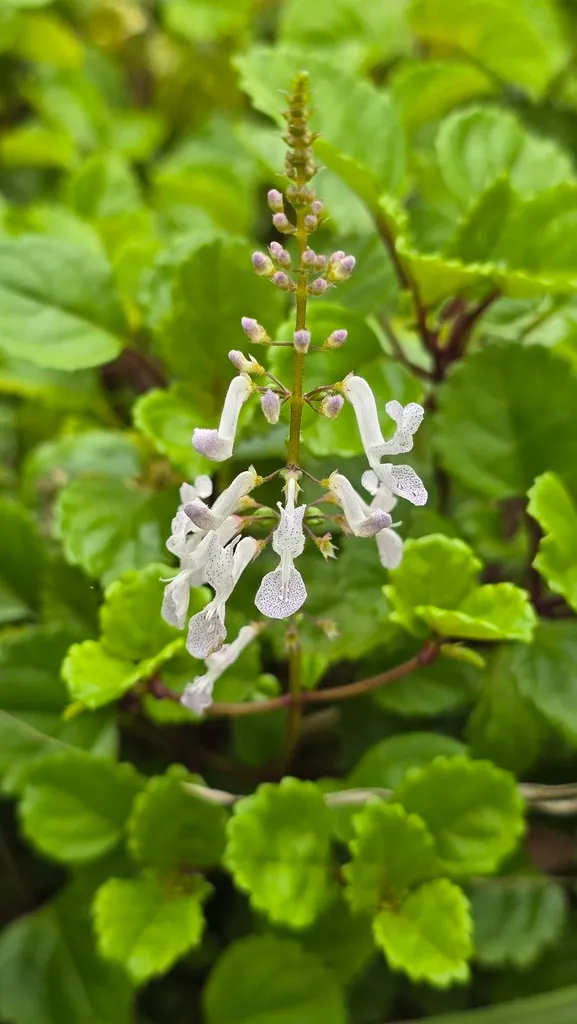
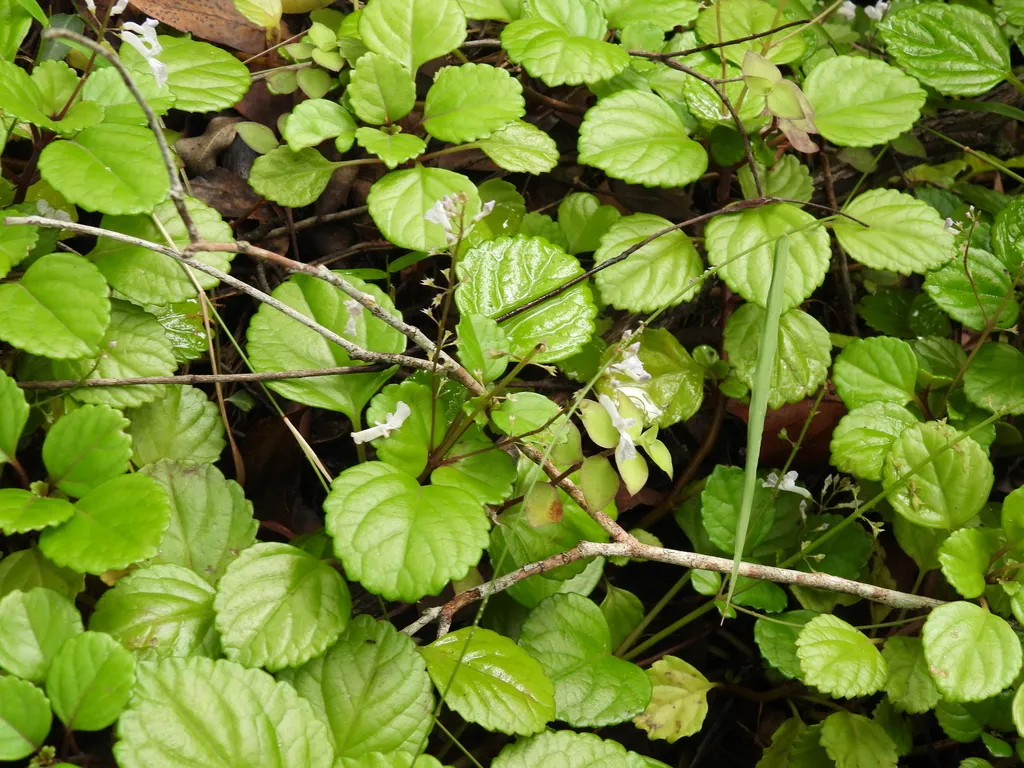
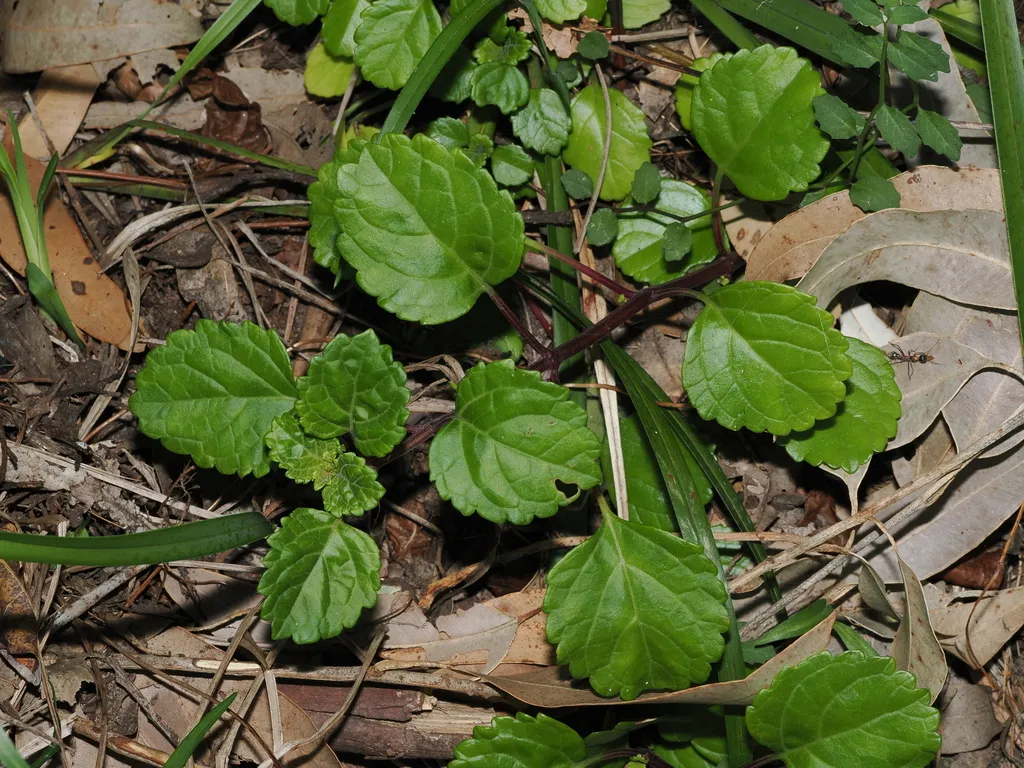
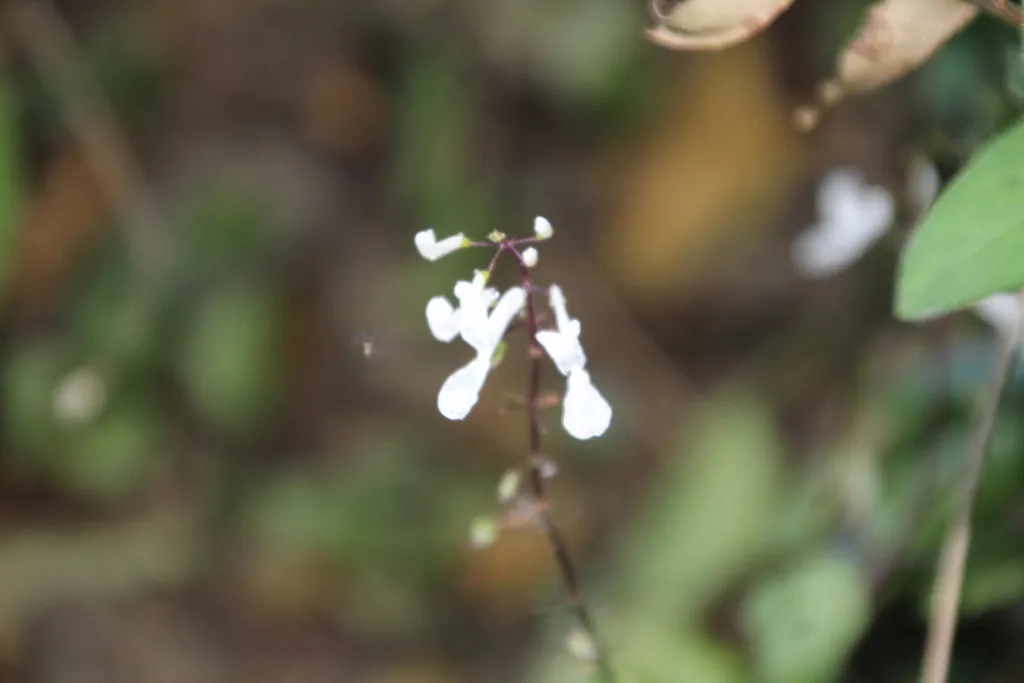
P. verticillatus is a prostrate evergreen perennial forming a mat to 10cm tall, with rounded, coarsely toothed leaves purple beneath, and loose spikes of purple-dotted, white flowers 2cm long in summer
Scientific classification
- Species
- Swedish ivy (Plectranthus verticillatus)
- Genus
- Plectranthus
- Family
- Lamiaceae
- Information to be completed
- Toxicity
- Bedding · Herbaceous Perennial · Houseplants
- Plant type
- Up to 10 cm
- Height
- 0.5-1 metres
- Spread
- Evergreen
- Foliage
- Matforming · Trailing
- Habit
- Spring · Summer · Autumn · Winter
- Season of interest
- Partial shade
- Sunlight
- 15 – 25 °C
- Ideal temperature









Swedish ivy pictures
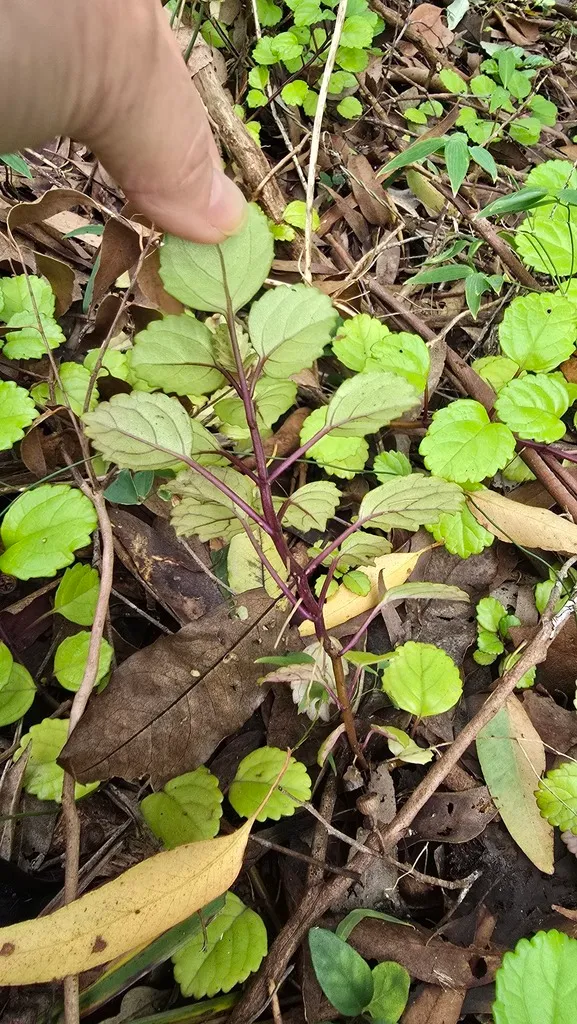
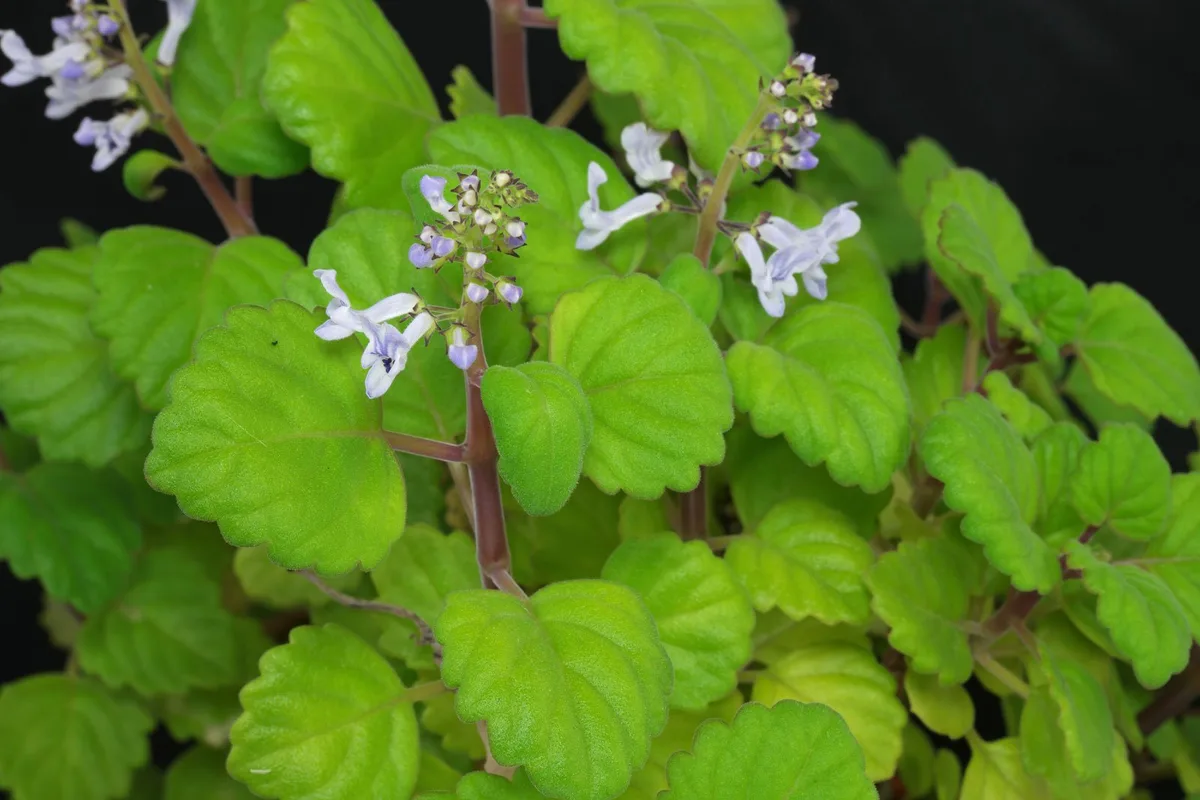
Distribution of Swedish ivy
Distribution map
Southern Africa
Information to be completed
Culture
Information to be completed
Toxicity
Information to be completed
Quick identification of Swedish ivy
Information to be completed
Swedish ivy care guide
- Let upper soil layer dry slightly before each regular watering session
- Watering
- Partial shade
- Sunlight
- 15 – 25 °C
- Ideal temperature

Watering
Let upper soil layer dry slightly before each regular watering session
Fertilizing
 Fertilizing
Mild balanced foliage feed once monthly spring through autumn months
Pruning
 Pruning
Prune young plants to create bushy growth
Propagation
 Propagation
Propagate by seed at 19-24°C (19-24°F) when ripe or propagte by stem-tip cuttings at any time of year (see softwood cuttings)
Growing
 Growing
Best grown in a well-drained soil in partial shade, used as foliage plant either in beds or in a container. Can be grown under glass but shade from hot sun
People also ask
Information to be completed
Common pests and diseases
Diseases
Generally disease free
Pests
Generally pest-free
Explore the plant health library →




