
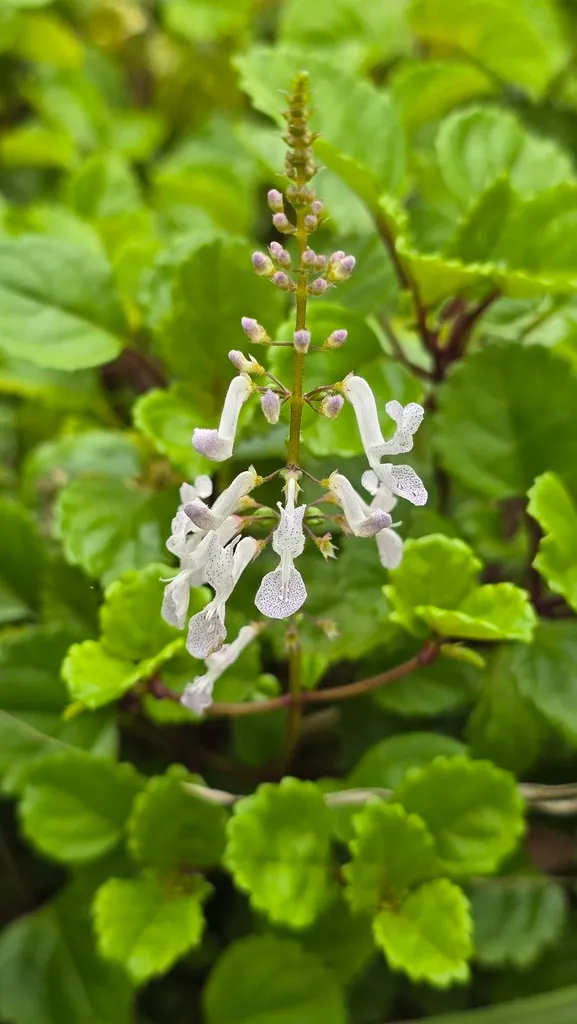



How to Fertilize Swedish ivy?

For swedish ivy, use high-nitrogen fertilizer every 2-3 weeks during active growth in spring and summer to support lush foliage. Reduce to monthly in fall, and pause in winter. Apply per product guidelines, mixing at half-strength to prevent root burn. Benefits include robust growth and vibrant leaves. For juvenile swedish ivy, lighter feedings encourage root establishment without overstimulation. Mature swedish ivy respond well to consistent feeding, enhancing their ornamental appeal. Use liquid or granular fertilizer, and ensure the soil is moist before applying to protect the roots. Avoid over-fertilization, which can lead to weak growth and pest problems.