



Planting and Growing wild cherry

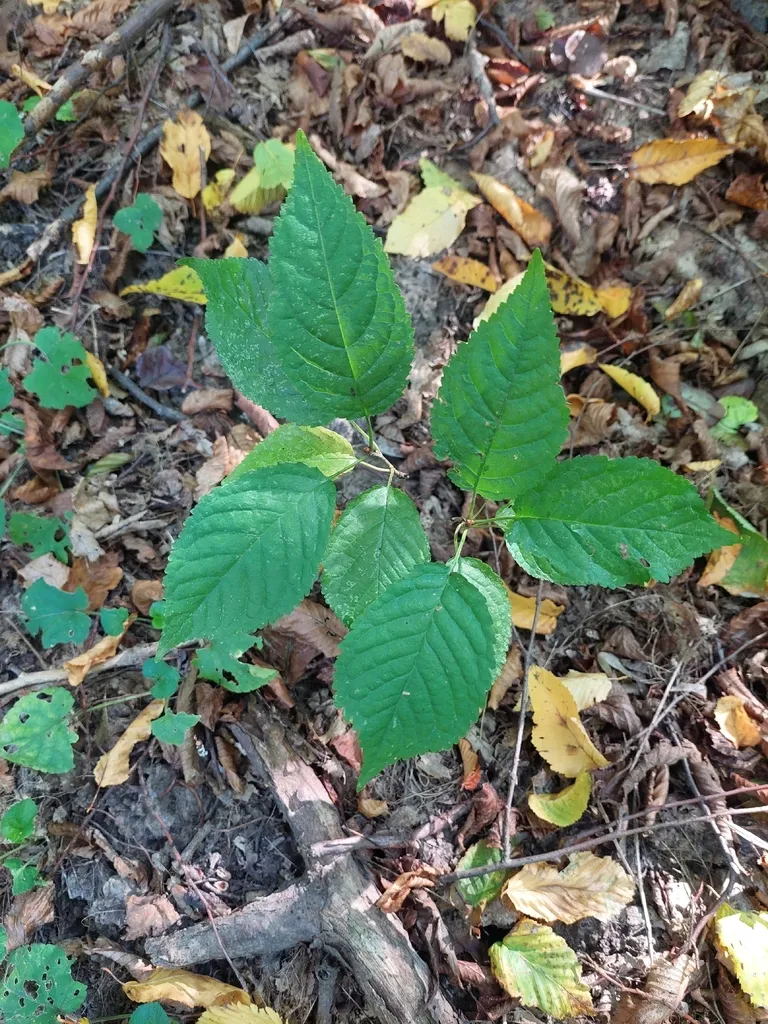
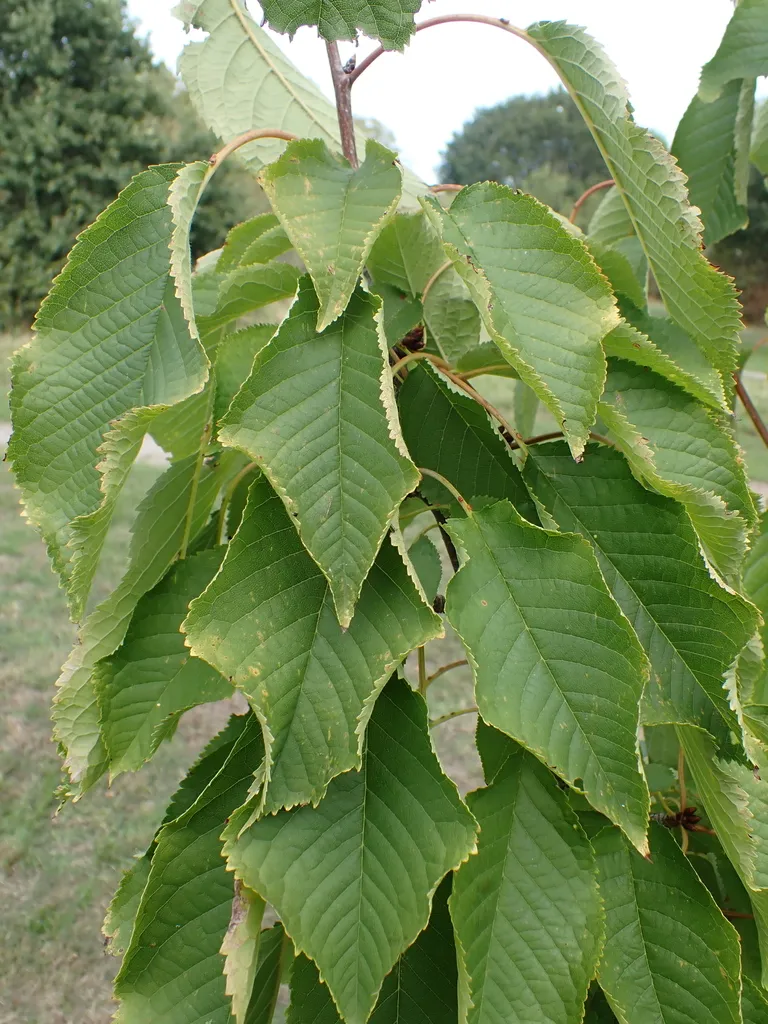
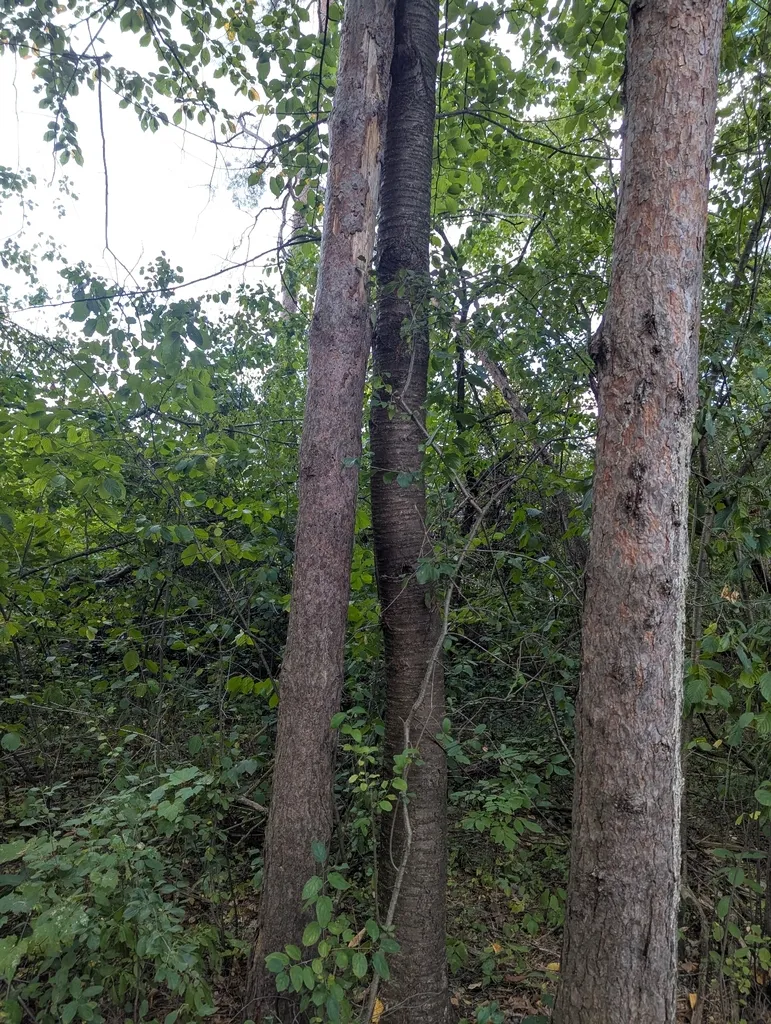
| Care difficulty | 3 / 5 |
|---|---|
| Watering schedule | Deep water during dry spells, especially when young |
| Sunlight requirements | Full sun |
| Ideal temperature | 15 – 25 °C |
| Soil type | Chalk · Clay · Loam · Sand |
| Soil pH | Acid · Alkaline · Neutral |
| Soil moisture | Moist but well drained · Well drained |
| Fertilizing | Balanced fruit or tree feed in early spring |
| Toxicity | Information to be completed |
How to Water wild cherry?
Originating from temperate regions, sweet cherry has adapted to a moderate water regime, reflecting its resilience against irregular watering patterns. This species thrives with a balance of moisture and well-draining soil conditions, showcasing drought tolerance once established. Watering is optimal at once every 1-2 weeks, ensuring the soil dries slightly between sessions. Typically grown outdoors, sweet cherry enters dormancy in colder months; during this time, its water requirements diminish significantly as metabolic activities slow down.
Learn more →What Are the Sunlight Requirements for wild cherry?
Sweet cherry thrives best in full sunlight, requiring at least six hours of direct sun daily for optimal growth, health, and flowering. While sweet cherry can tolerate partial sun, lesser light exposure can lead to reduced fruit production and impaired development. In regions with intense sun, sweet cherry shows resilience but may need some afternoon shade to protect against scorching. Ideally, sweet cherry should be planted in open areas outdoors where sunlight is abundant. Sweet cherry does not typically adjust its leaf color or orientation significantly in response to varying light conditions.
Learn more →What Is the Ideal Temperature Range for wild cherry?

Sweet cherry demonstrates significant adaptability to temperature variations, tolerating cold down to -20℃ (-4℉) and heat up to 38℃ (100℉). This hardy nature necessitates particular care adaptions: protection against frost and excessive heat. During extreme cold, leaf and bud damage may occur, necessitating mulching and covers. In intense heat, wilting and sunburn are potential issues, mitigated by adequate watering and shading. Understanding these tolerances helps optimize cultivation and care for sweet cherry in varying climates.
Learn more →What Soil Is Best for wild cherry?
The sweet cherry needs light, fertile, and well-drained soil, with a neutral to alkaline soil pH of between 5.5 and 8.5. Although the tree will still grow in heavier soils, fruit production will be affected. Amending the soil during planting, by adding in an organic material when backfilling your planting hole, is the best way to improve soil quality for the tree.
- Soil type
- Chalk · Clay · Loam · Sand
- Soil pH
- Acid · Alkaline · Neutral
What Are the Moisture Requirements for wild cherry?
Moist but well drained · Well drained
Learn more →How to Fertilize wild cherry?

For sweet cherry, optimal fertilization using balanced nutrition fertilizers is critical for vigorous growth and abundant fruiting. Apply a balanced, slow-release fertilizer in early spring as growth resumes and again in late spring to sustain development. Quantities should align with product instructions and sweet cherry's size. Over-fertilization can harm sweet cherry, causing excessive leaf growth at fruiting expense. Seasonal adjustments are key; less is needed in fall. To ensure safe application, avoid contact with sweet cherry's trunk and follow recommended rates. Regular soil tests can guide precision feeding, maximizing sweet cherry's health and yield.
Learn more →How to Prune wild cherry?

Sweet cherry, known for its juicy fruits and attractive blossoms, benefits from strategic pruning. Key techniques include removing dead, diseased, or crossed branches to promote air circulation and sunlight penetration. Perform pruning in late winter, before new growth begins, to minimize stress and encourage healthy development. Additionally, thinning the canopy can enhance fruit quality and yield. Pruning during the recommended season also helps prevent the spread of diseases specific to sweet cherry.
Learn more →How to Propagate wild cherry?

Sweet cherry, a deciduous tree valued for its sweet fruit and ornamental qualities, thrives through precise propagation techniques. Successful cultivation starts with selecting healthy, disease-free cuttings from a vigorous parent tree. Utilize semi-hardwood cuttings taken in late summer for best results. Implement a rooting hormone to enhance rooting efficiency before placing them in a well-draining, sterile growing medium. Consistent moisture and warmth are essential for initiating root development, while indirect sunlight supports gradual growth. Once rooted, transplant carefully to avoid damage to the fragile new root system, guaranteeing a robust foundation for future growth.
Learn more →How to Transplant wild cherry?
Transplant sweet cherry ideally during the warmer months of late spring to mid-summer, as this encourages strong root establishment. Choose a sunny, well-drained location to optimize growth. Take extra care with delicate roots during transplant, ensuring minimal disturbance for thriving results.
Learn more →How to Care for wild cherry in Winter?

Information to be completed
Learn more →How to Plant wild cherry?
Indoors-potted: For sweet cherry indoors, ensure a spacious pot to accommodate growth; frequent pruning may be needed to manage size. Outdoors-potted: When potted outside, sweet cherry requires ample room for root expansion; choose a large container to encourage healthy development. Outdoors-in the ground: Sweet cherry thrives outdoors with space to stretch its roots and branches; proper site selection is crucial for optimal cherry production.
Learn more →How to Repot wild cherry?
Information to be completed
Learn more →How to Harvest wild cherry?

The fruit is ready to harvest once its color is deep and vibrant, but before the fruit turns too soft. Try to only pick during dry weather, holding each fruit from the stalk before twisting or cutting off. Don't pull the fruit itself, as it bruises easily.
Learn more →Common Pests & Diseases

Diseases
May be susceptible to peach leaf curl, silver leaf, bacterial canker, blossom wilt and honey fungus. High Risk Host for Xylella fastidiosa
Pests
May be susceptible to cherry blackfly, pear and cherry slugworm and winter moth caterpillar. The fruit can be damaged by spotted wing drosophila and birds
Explore the plant health library →The Toxicity of wild cherry
Information to be completed