
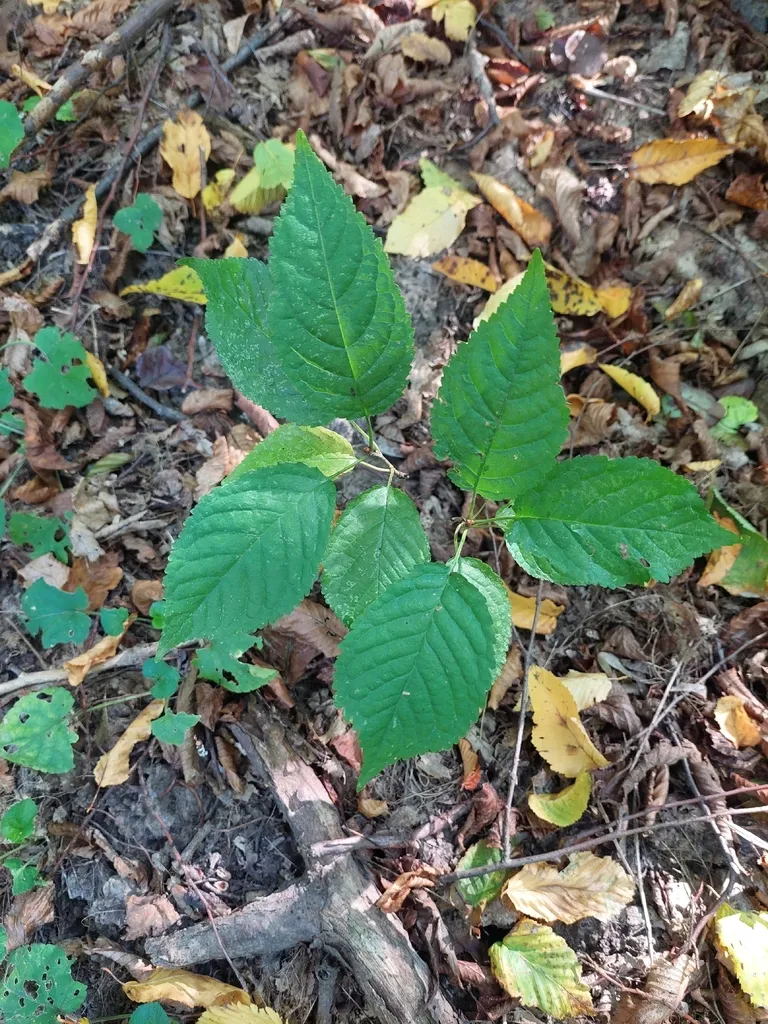



wild cherry

wild cherry · Fertilizing

wild cherry · Prunus avium
Also known as: bird cherry; Cheshire merry tree; crab cherry; gean; hagberry; mazzard; merry tree; Suffolk merries; sweet cherry

Sweet cherry are temperate fruit trees requiring specific care to ensure healthy growth and fruit production. Key care points include full sun exposure for at least 6 hours a day to maximize fruit development. Sweet cherry need well-drained soil with a deep watering regimen, especially during the growing season to establish an extensive root system. Special attention should be given to regular pruning for optimal air circulation and sunlight penetration, which is crucial for preventing disease and encouraging abundant fruit set.

Watering: Deep water during dry spells, especially when youngSunlight: Full sunInformation to be completed

How to Fertilize wild cherry?

For sweet cherry, optimal fertilization using balanced nutrition fertilizers is critical for vigorous growth and abundant fruiting. Apply a balanced, slow-release fertilizer in early spring as growth resumes and again in late spring to sustain development. Quantities should align with product instructions and sweet cherry's size. Over-fertilization can harm sweet cherry, causing excessive leaf growth at fruiting expense. Seasonal adjustments are key; less is needed in fall. To ensure safe application, avoid contact with sweet cherry's trunk and follow recommended rates. Regular soil tests can guide precision feeding, maximizing sweet cherry's health and yield.