
wild cherry
Also known as: bird cherry; Cheshire merry tree; crab cherry; gean; hagberry; mazzard; merry tree; Suffolk merries; sweet cherry
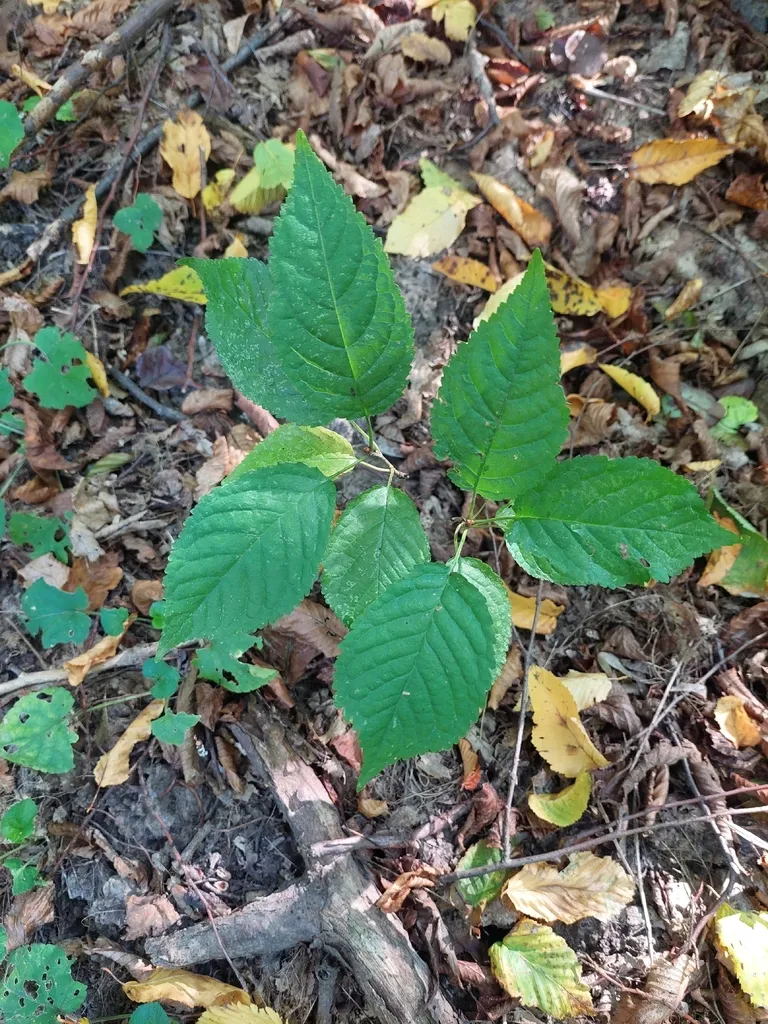
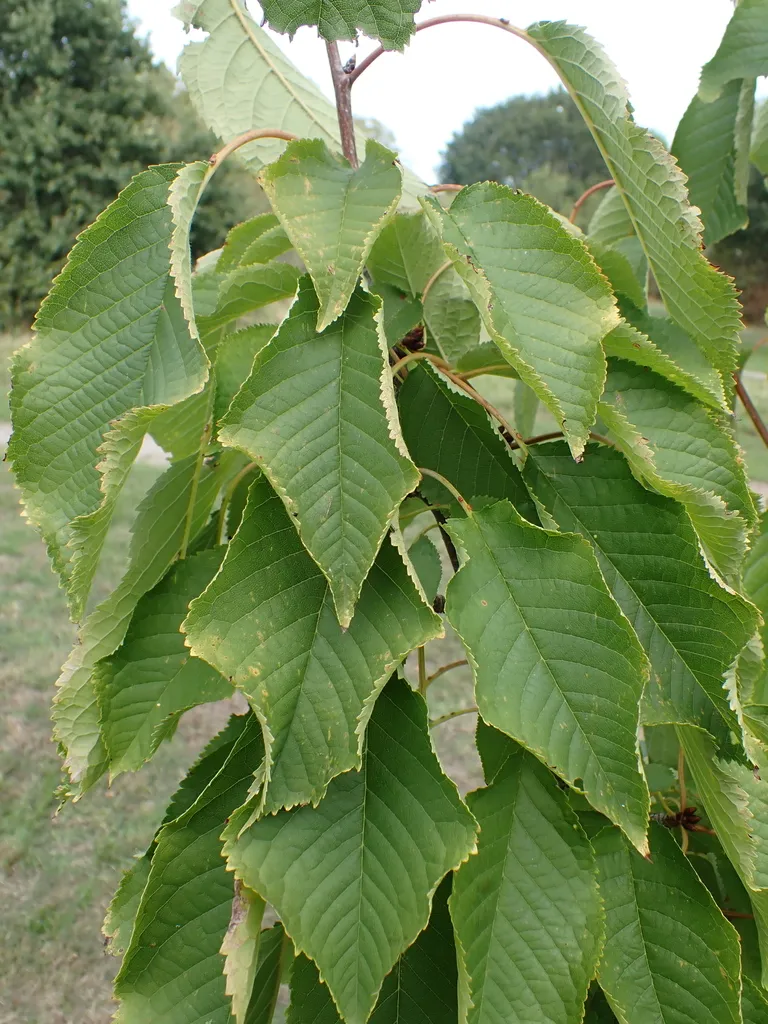
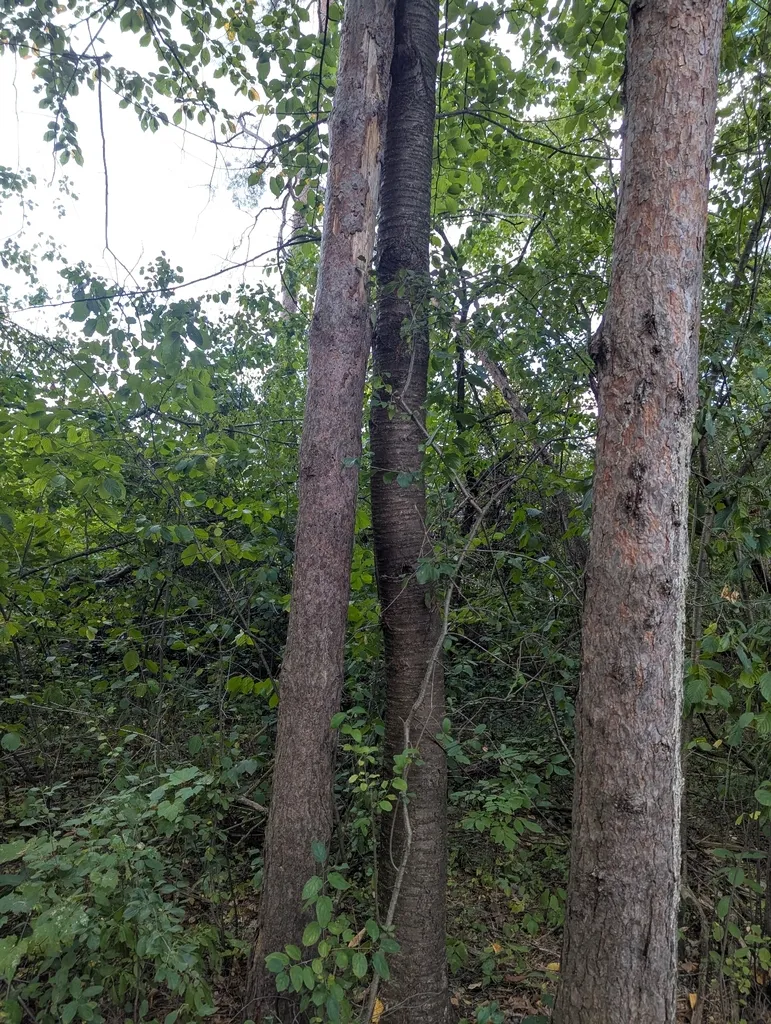
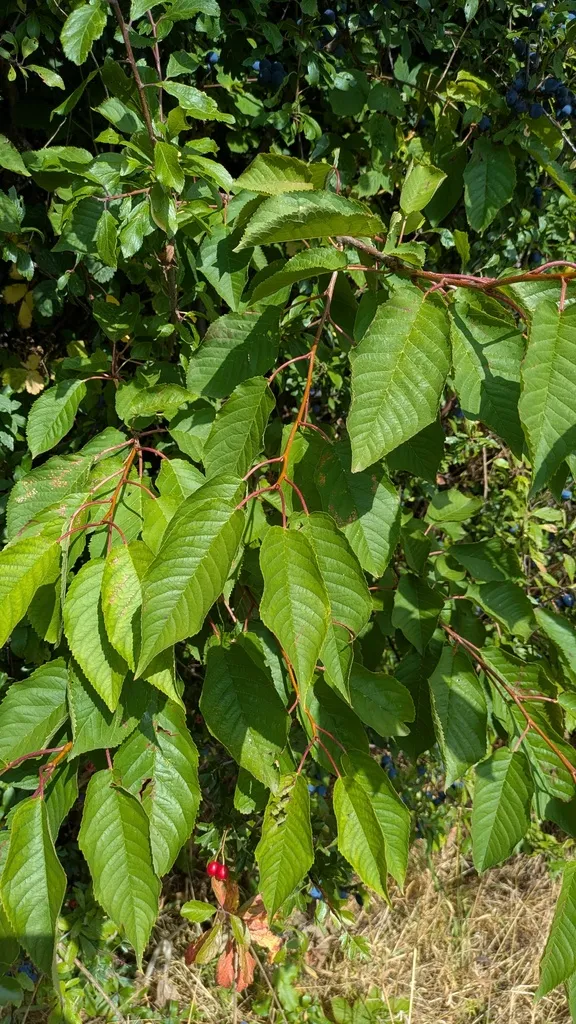
A spreading, deciduous tree with nodding clusters of pure white flowers 2.5cm wide in late spring, followed by small, shiny red-purple fruits; dark green leaves, bronze when young, turn orange and red in autumn. Many cultivated varieties of cherry have been bred from this species
Scientific classification
- Species
- wild cherry (Prunus avium)
- Genus
- Prunus
- Family
- Rosaceae
- Information to be completed
- Toxicity
- Trees · Fruit Edible
- Plant type
- Higher than 12 metres
- Height
- wider than 8 metres
- Spread
- Deciduous
- Foliage
- Bushy
- Habit
- Autumn · Spring · Summer
- Season of interest
- Full sun
- Sunlight
- 15 – 25 °C
- Ideal temperature









wild cherry pictures
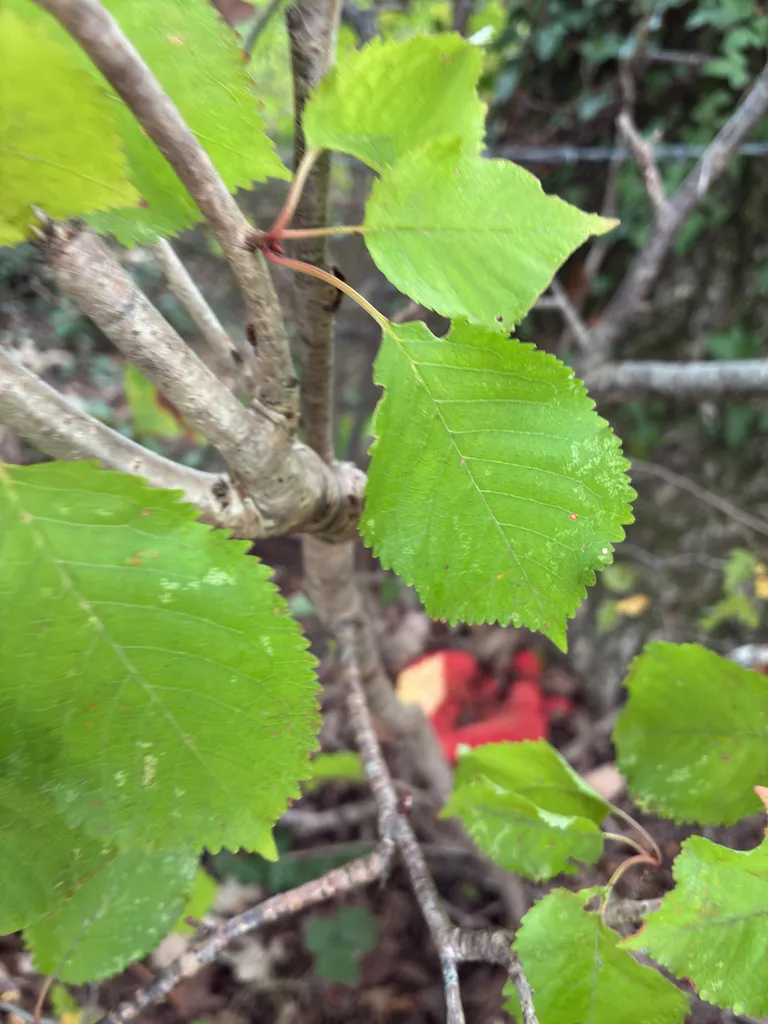
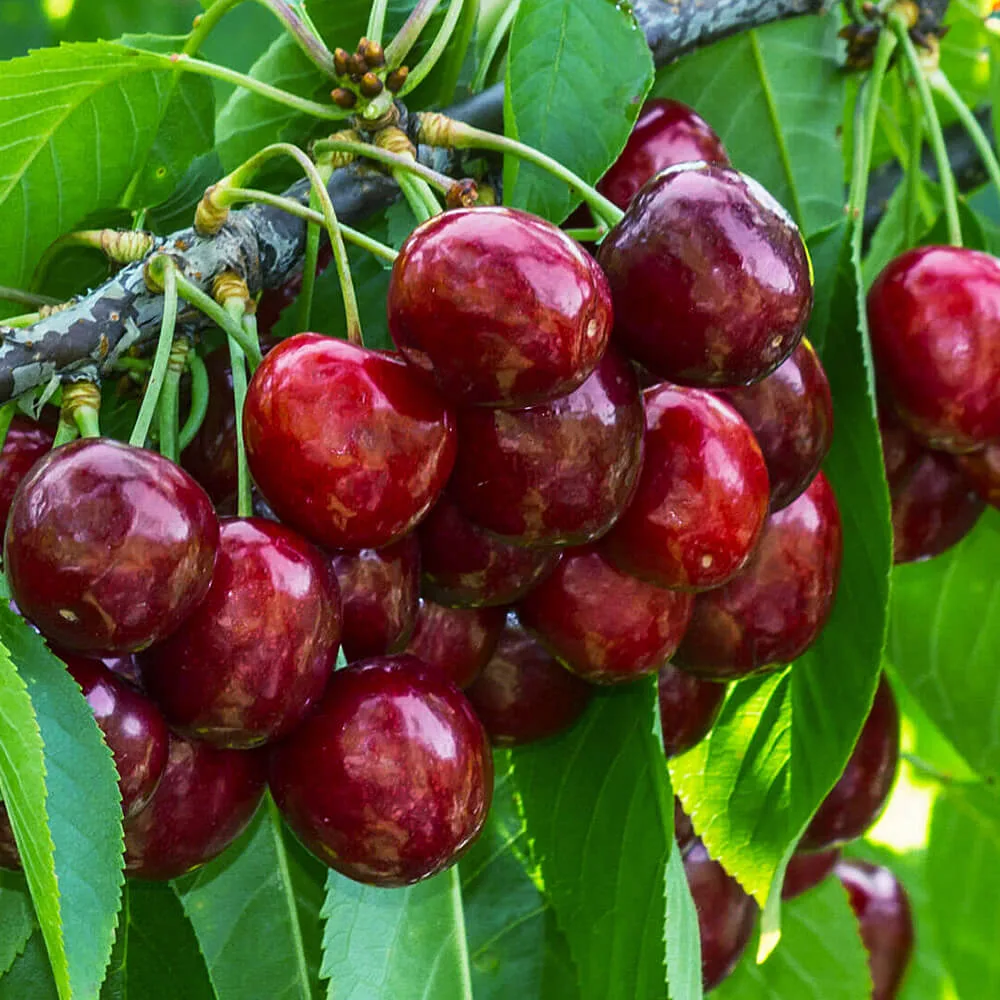
Distribution of wild cherry
Distribution map
Europe to Asia Minor, Caucasus, Western Siberia
Information to be completed
Culture
Information to be completed
Toxicity
Information to be completed
Quick identification of wild cherry
Information to be completed
wild cherry care guide
- Deep water during dry spells, especially when young
- Watering
- Full sun
- Sunlight
- 15 – 25 °C
- Ideal temperature

Watering
Deep water during dry spells, especially when young
Fertilizing
 Fertilizing
Balanced fruit or tree feed in early spring
Pruning
 Pruning
Train fan-trained trees in spring. Prune established fans and carry out routine pruning on established cherry trees when harvesting the fruits in summer
Propagation
 Propagation
Propagate by chip budding or grafting, although softwood cuttings in early summer with bottom heat can be successful.
Growing
 Growing
Grow in moderately fertile soil in full sun. Cherries are best suited to fan-training so they can be netted against bird damage and protected from frosts. See sweet cherry cultivation for more advice
People also ask
Information to be completed
Common pests and diseases
Diseases
May be susceptible to peach leaf curl, silver leaf, bacterial canker, blossom wilt and honey fungus. High Risk Host for Xylella fastidiosa
Pests
May be susceptible to cherry blackfly, pear and cherry slugworm and winter moth caterpillar. The fruit can be damaged by spotted wing drosophila and birds
Explore the plant health library →




