



Planting and Growing pasqueflower

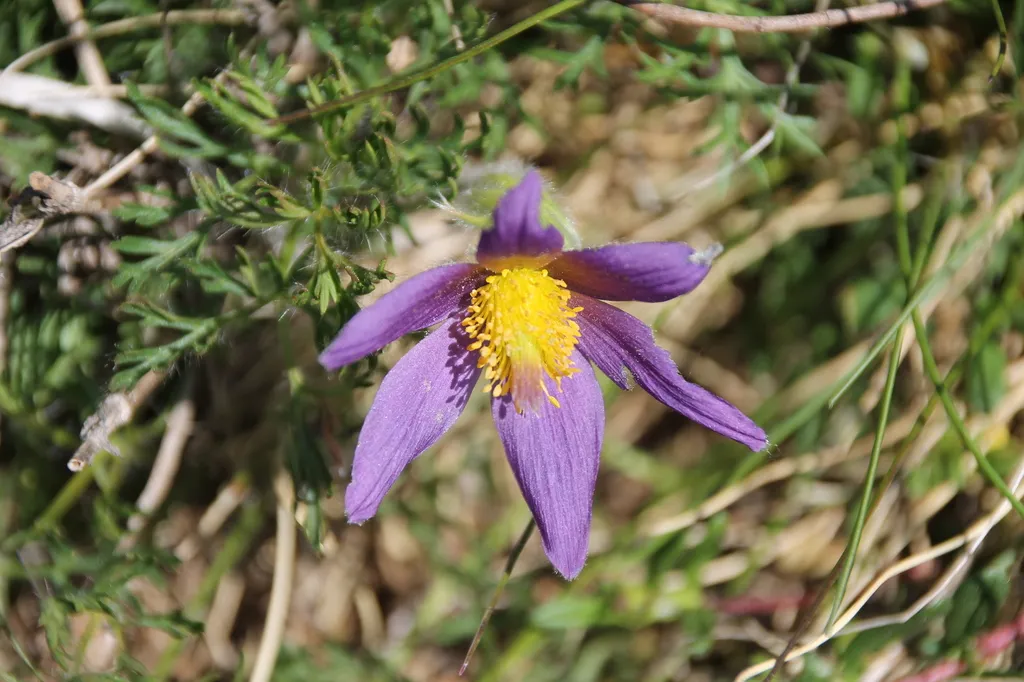
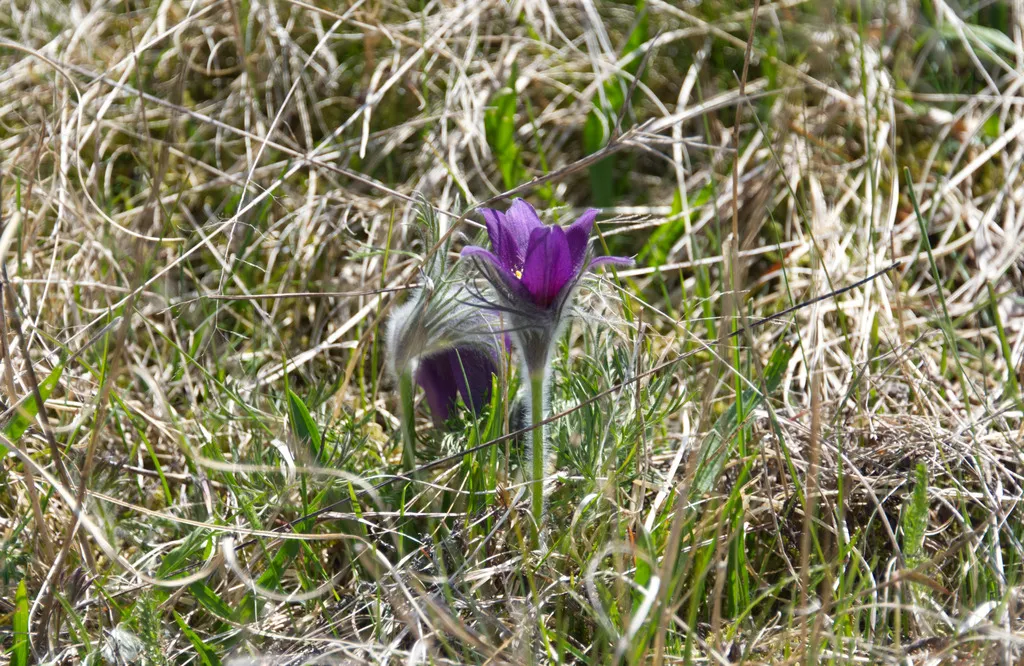
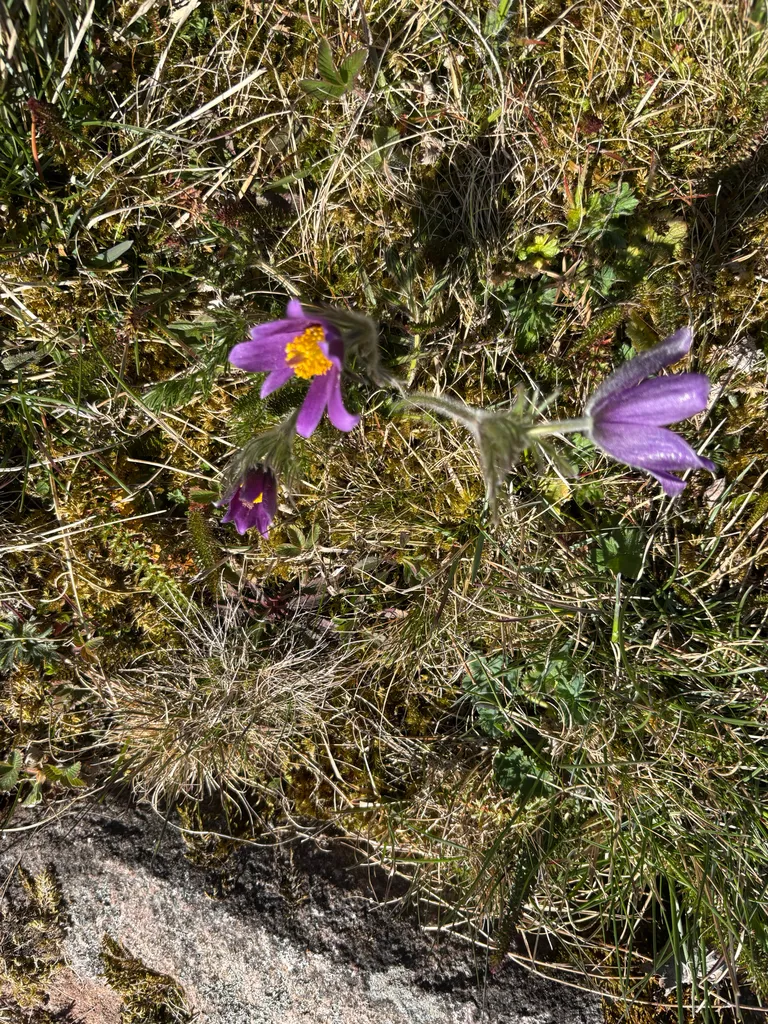
| Care difficulty | 2 / 5 |
|---|---|
| Watering schedule | Moderate water, let soil partially dry between each watering |
| Sunlight requirements | Full sun |
| Ideal temperature | Information to be completed |
| Soil type | Chalk · Loam · Sand |
| Soil pH | Acid · Alkaline · Neutral |
| Soil moisture | Well drained |
| Fertilizing | Light balanced feed once in early spring before bloom buds form |
| Toxicity | Can cause mild stomach upset if ingested. Wear gloves and wash hands after handling |
How to Water pasqueflower?
Moderate water, let soil partially dry between each watering
Learn more →What Are the Sunlight Requirements for pasqueflower?
Full sun
Learn more →What Soil Is Best for pasqueflower?
- Soil type
- Chalk · Loam · Sand
- Soil pH
- Acid · Alkaline · Neutral
What Are the Moisture Requirements for pasqueflower?
Well drained
Learn more →How to Fertilize pasqueflower?

Light balanced feed once in early spring before bloom buds form
Learn more →How to Prune pasqueflower?

No pruning required
Learn more →How to Propagate pasqueflower?

Propagate by seed or take root cuttings in the winter
Learn more →How to Plant pasqueflower?
Grow in very well-drained soil in full sun; suitable for rock garden, scree or alpine bed. Resents disturbance and can be hard to establish
Learn more →Common Pests & Diseases

Diseases
Generally disease free
Pests
Slugs may eat the flowers
Explore the plant health library →The Toxicity of pasqueflower
Can cause mild stomach upset if ingested. Wear gloves and wash hands after handling