
pasqueflower
Also known as: April fools; badgers; blue money; blue tulip; cat's eyes; Coventry bells; Dane's blood; dream herb; Easter flower; flaw flower; flower of the wind; gosling; hart's horn plant; headache plant; meadow anemone; passeflower; Dane's flower; lion's beard; mayflower; prairie smoke; rock lily
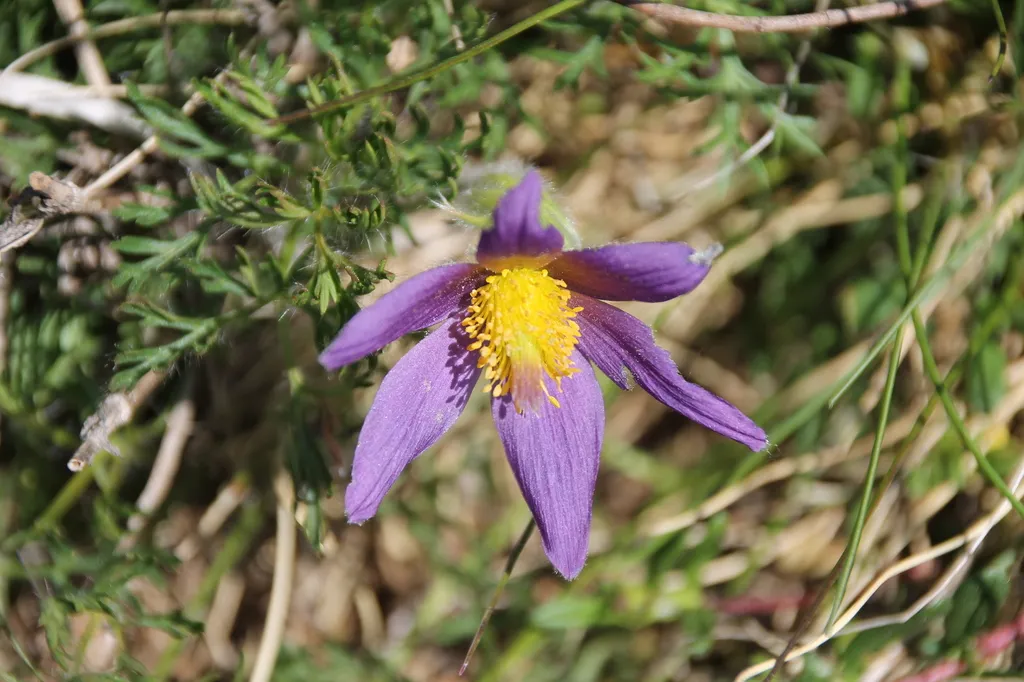
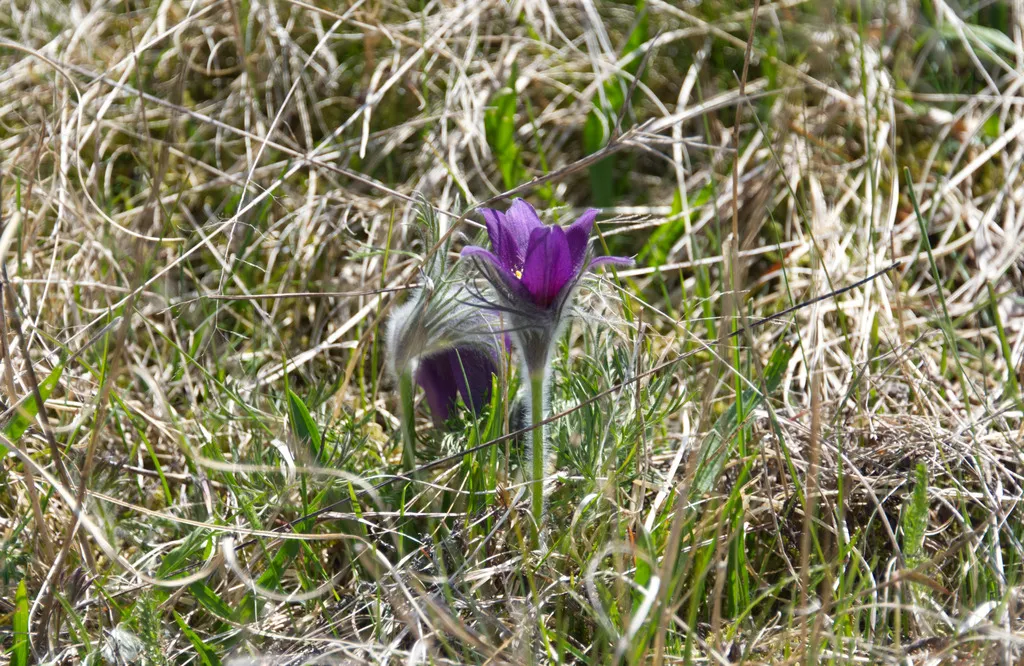
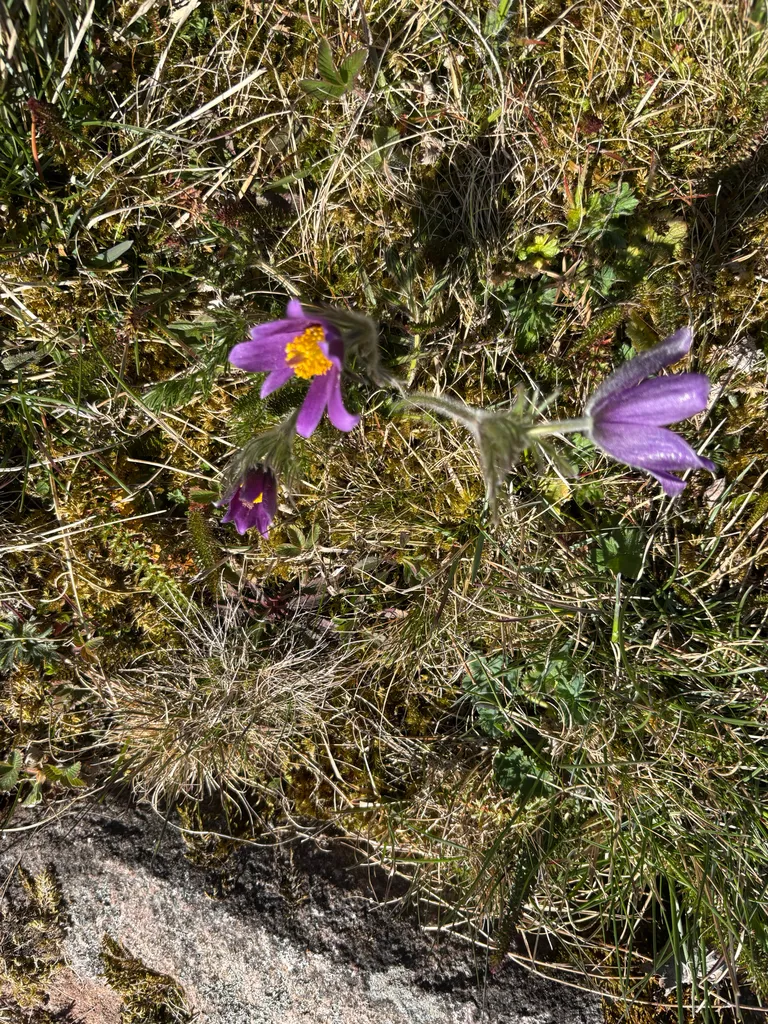
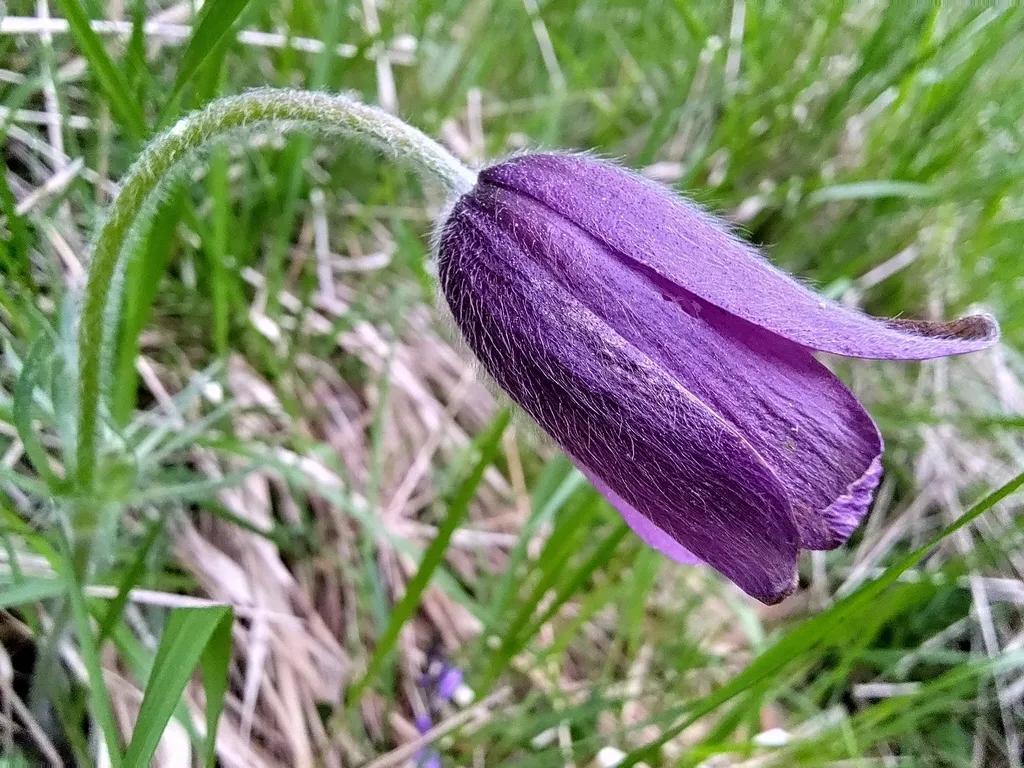
P. vulgaris is a perennial to 20cm, forming a clump of finely dissected basal leaves, silky when young. Flowers 5-9cm in width, erect or nodding, violet, followed by silky fruiting heads
Scientific classification
- Species
- pasqueflower (Pulsatilla vulgaris)
- Genus
- Pulsatilla
- Family
- Ranunculaceae
- Order
- Ranunculales
- Class
- Magnoliopsida
- Phylum
- Magnoliophyta
- Can cause mild stomach upset if ingested. Wear gloves and wash hands after handling
- Toxicity
- Alpine Rockery
- Plant type
- 0.1-0.5 metres
- Height
- 0.1-0.5 metres
- Spread
- Deciduous
- Foliage
- Clump forming
- Habit
- Spring · Summer
- Season of interest
- Full sun
- Sunlight
- Information to be completed
- Ideal temperature









pasqueflower pictures
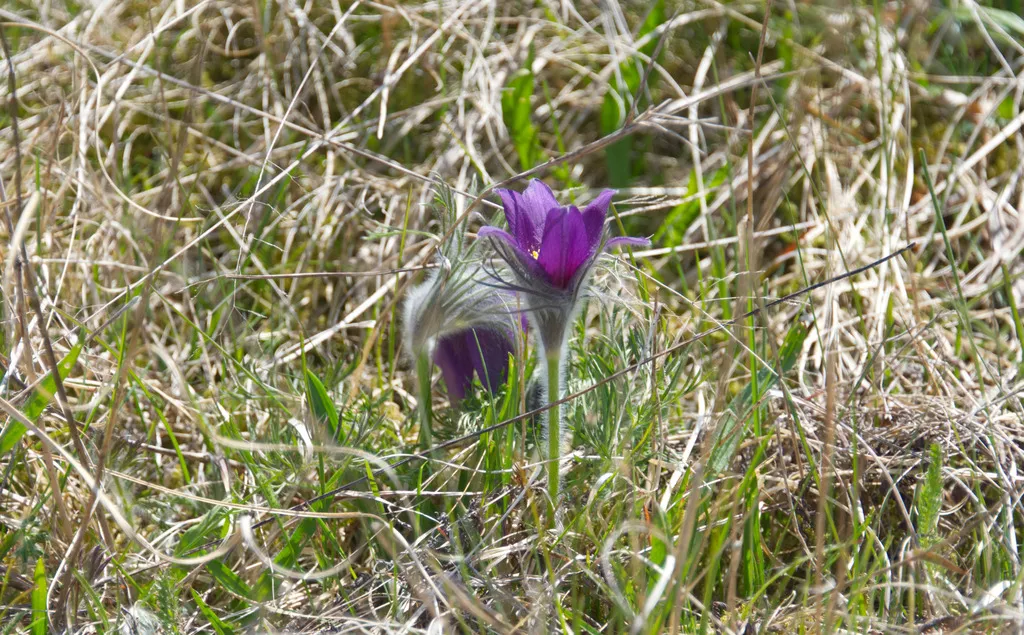
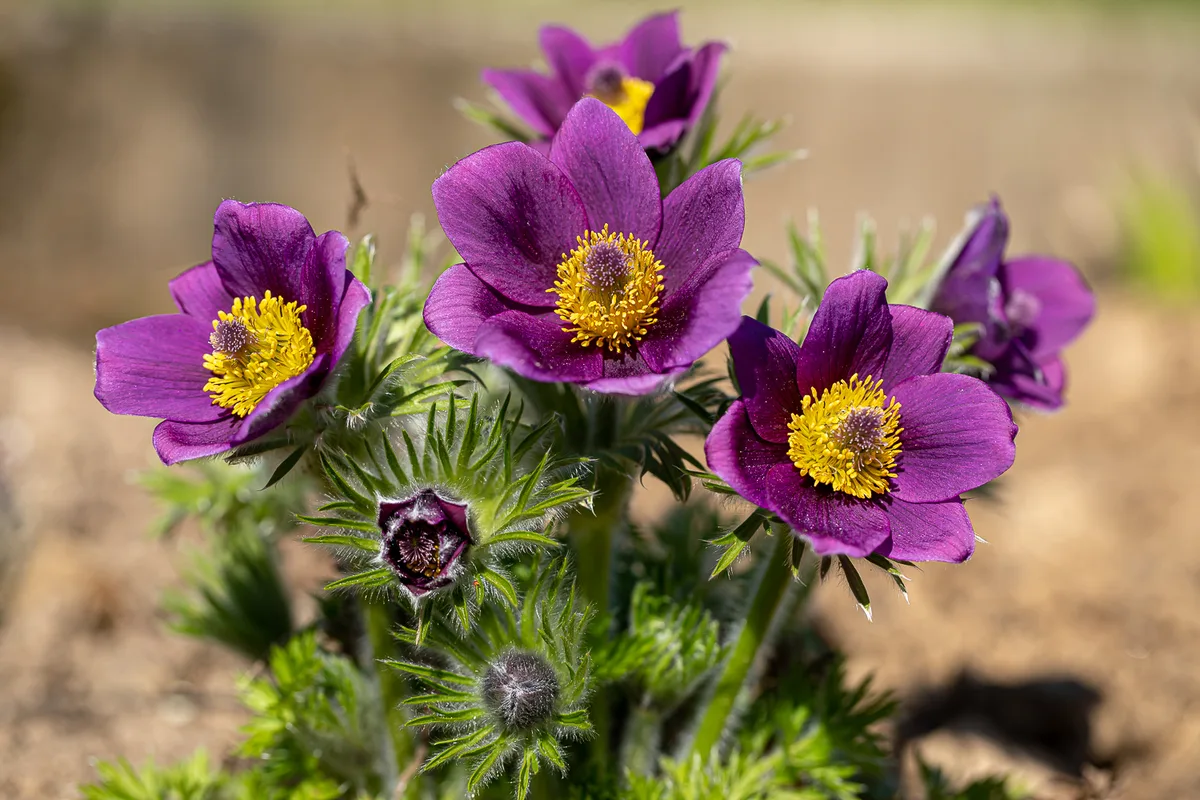
Distribution of pasqueflower
Distribution map
- Native
- Introduced
- Cultivated
Locally extinct or doubtful records are excluded from native and introduced layers.
Source:WCVP v16 · Royal Botanic Gardens, Kew · CC BY 3.0 · Boundaries:WGSRPD / TDWG
Toxicity
Can cause mild stomach upset if ingested. Wear gloves and wash hands after handling
pasqueflower care guide
- Moderate water, let soil partially dry between each watering
- Watering
- Full sun
- Sunlight

Watering
Moderate water, let soil partially dry between each watering
Fertilizing
 Fertilizing
Light balanced feed once in early spring before bloom buds form
Pruning
 Pruning
No pruning required
Propagation
 Propagation
Propagate by seed or take root cuttings in the winter
Growing
 Growing
Grow in very well-drained soil in full sun; suitable for rock garden, scree or alpine bed. Resents disturbance and can be hard to establish
Common pests and diseases
Diseases
Generally disease free
Pests
Slugs may eat the flowers
Explore the plant health library →




