



Planting and Growing marguerite

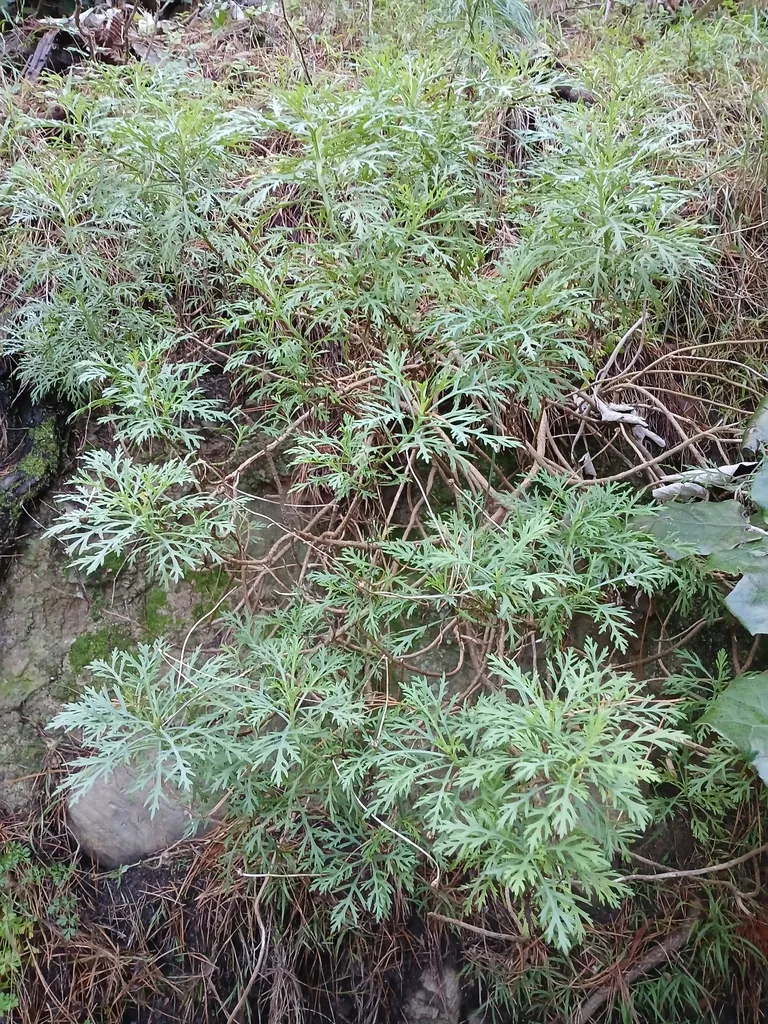
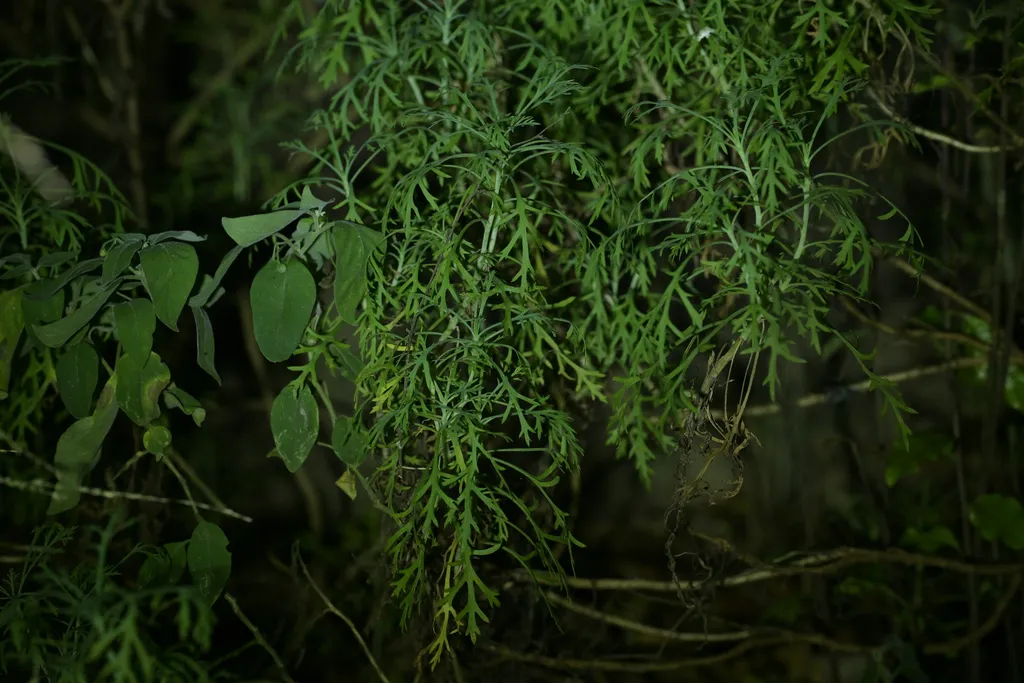

| Care difficulty | 2 / 5 |
|---|---|
| Watering schedule | Water when top soil is dry, avoid overwatering |
| Sunlight requirements | Full sun |
| Ideal temperature | 15 – 25 °C |
| Soil type | Loam · Sand |
| Soil pH | Acid · Alkaline · Neutral |
| Soil moisture | Well drained |
| Fertilizing | Every 2 weeks in growing season |
| Toxicity | Information to be completed |
How to Water marguerite?
Originating from the subtropical climates, marguerite daisy thrives in moderately moist soil conditions and exhibits a preference for consistent moisture without being waterlogged. As a plant accustomed to a balance of sun and intermittent rains, it tolerates brief dry spells but flourishes with regular hydration, necessitating watering every week. Cultivated primarily outdoors due to its need for ample sunlight, marguerite daisy demonstrates vigorous growth during its blooming season when adequately watered, underscoring the importance of matching its irrigation schedule to its active growth phases.
Learn more →What Are the Sunlight Requirements for marguerite?
Marguerite daisy thrives in full sun conditions, requiring over 6 hours of direct sunlight daily for optimal growth. This light exposure ensures vigorous growth, robust health, and abundant flowering. While marguerite daisy can tolerate partial sun, receiving about 3-6 hours of direct sun, prolonged periods in reduced light may lead to sparse blooms and leggy growth. Adaptively, marguerite daisy is inclined to produce more chlorophyll in lower light, slightly improving its resilience but not compensating for the lack of vibrant blooms seen in full sun. Ideally planted outdoors, marguerite daisy performs best in garden positions where sunlight is abundant.
Learn more →What Is the Ideal Temperature Range for marguerite?

Marguerite daisy exhibits moderate resilience to temperature fluctuations. It can tolerate cold conditions down to 0℃ (32℉) and withstand heat up to 43℃ (109℉). This broad temperature tolerance means marguerite daisy can thrive in a variety of climates but requires care during extremes. In cold stress, the plant may exhibit signs of wilting or browning leaves, while heat stress can cause yellowing or scorched foliage. Protective measures such as mulching for cold or providing shade and proper watering during heatwaves can mitigate these effects, ensuring marguerite daisy remains healthy.
Learn more →What Soil Is Best for marguerite?
Marguerite daisy thrives in well-draining soil to avoid water-logging. Ideal soil mix includes garden soil combined with perlite or coarse sand for aeration. Ensure good drainage by adding a layer of gravel at the pot’s base. Add a balanced slow-release fertilizer during planting for enhanced growth. Optionally, mix in some organic compost to improve soil fertility.
- Soil type
- Loam · Sand
- Soil pH
- Acid · Alkaline · Neutral
What Are the Moisture Requirements for marguerite?
Well drained
Learn more →How to Fertilize marguerite?

For marguerite daisy, apply a high-phosphorus fertilizer to boost bloom production and plant vigor. Frequent feeding every 2-4 weeks during the growing season meets marguerite daisy's needs, with a reduced schedule in the dormant phase. Use fertilizer at half strength to avoid overfeeding and potential root damage. Seasonal variations dictate adjusting the quantity: less in winter, more in spring and summer. A balanced approach with occasional watering after fertilizing ensures nutrient absorption and soil health. Regular monitoring will keep marguerite daisy flourishing.
Learn more →How to Prune marguerite?

Characterized by its vibrant daisy-like blooms, marguerite daisy benefits greatly from pruning. Best performed in early spring or late winter, pruning ensures healthy growth and abundant flowering. Remove dead or damaged stems, and trim back overgrown branches by about one-third to maintain a tidy shape. Regular deadheading encourages continuous blooming. Pruning also promotes better air circulation, reducing disease risk, and enhances overall plant vigor. Always use clean, sharp tools to prevent infections.
Learn more →How to Propagate marguerite?

Marguerite daisy best propagates through cuttings during the ideal seasons of spring and summer. It has an easy-medium propagation difficulty. Observe new leaf growth as a sign of successful propagation. Keep cuttings moist for optimal results.
Learn more →How to Transplant marguerite?
Transplant marguerite daisy during the delightful period of early spring to late summer for optimal growth. Choose a spot with well-draining soil and ample sunlight. To help marguerite daisy thrive, provide ample space between plants and gently loosen the roots upon transplanting.
Learn more →How to Care for marguerite in Winter?

Marguerite daisy naturally thrives in the warm, coastal climate of the Canary Islands. It's frost-tender, and harsh winters can cause considerable damage. To overwinter, gardeners should bring marguerite daisy inside in colder areas, or mulch heavily to protect roots in milder regions. Pruning spent blooms, and occasional feeding with a balanced plant food, can gear up marguerite daisy for a vibrant winter display at home.
Learn more →How to Plant marguerite?
Indoors-potted: Ensure marguerite daisy receives ample ambient light indoors to maintain its vibrant daisy-like blooms. Outdoors-potted: In outdoor pots, allow marguerite daisy to bask in the sun for robust growth and continuous flowering. Outdoors-in the ground: Marguerite daisy thrives in outdoor gardens but avoid waterlogged soil to prevent root rot which can hamper its perennial qualities.
Learn more →How to Repot marguerite?
Repot your marguerite daisy every 2-3 years in spring to accommodate growth. Opt for a slightly larger container to give enough room for its bushy form. Ensure the pot promotes drainage to avoid waterlogging. After repotting, place marguerite daisy in a spot with bright, indirect light and keep the soil consistently moist for strong recovery.
Learn more →Common Pests & Diseases

Diseases
Crown gall may be a problem
Pests
Leaf miners may be a problem
Explore the plant health library →Troubleshooting
Mid-Summer Bloom Slowdown and Leggy Woody Stems
Argyranthemum frutescens (marguerite daisy / Paris daisy) is a tender evergreen subshrub from the Canary Islands that blooms heaviest in cool spring and autumn weather and slows down during intense summer heat.
| What you notice | Possible explanation | What to check next |
|---|---|---|
| Flowering slows or pauses during hot summer weather above 29°C to 32°C (85°F to 90°F) | Normal summer heat slowdown in cool-loving Canary Island daisies | Deadhead spent flowers, trim lightly by up to one-third, provide afternoon shade in extreme heat, and keep soil evenly moist until cooler autumn weather triggers rebloom. |
| Lower stems turn bare and woody with flowers only at straggly tips | Lack of deadheading/light pinching or insufficient sunlight | Ensure at least 6 hours of direct sun and shear back lightly above green leafy growth (avoiding cutting into bare old wood). |
- Plant in full sun (at least 6 hours of direct sunlight daily) in fertile, well-drained soil or containers.
- Deadhead faded daisy flowers regularly down to a side bud or leaf to keep new buds forming continuously.
- Feed every 2 to 3 weeks from spring through early summer with a balanced or higher-potassium flowering fertilizer, and overwinter indoors in a bright, cool frost-free room (5°C to 13°C / 41°F to 55°F) in cold climates.
Like related chrysanthemums in Asteraceae, Argyranthemum frutescens is best kept away from pets that chew plants.
Yellowing Lower Leaves, Wilting, or Aphids and Leaf Miners
Container marguerite daisies dry out quickly in sunny weather yet rot if left in soggy, poorly drained soil.
| What you notice | Possible explanation | What to check next |
|---|---|---|
| Stems wilt rapidly in warm afternoon sun while potting mix feels dry and light | Underwatering in fast-draining containers | Water thoroughly at the base until excess drains from the bottom holes. |
| Lower leaves turn yellow and mushy while soil stays wet | Overwatering or poor drainage | Empty standing water from saucers and allow the top inch of soil to dry before watering. |
| Winding pale tunnels inside leaves or sticky aphid clusters on flower buds | Leaf miners or aphids | Pinch off leaves with winding miner tunnels and rinse aphids off buds with water or insecticidal soap per label instructions. |
- Water deeply when the top inch of soil feels dry, keeping roots evenly moist without waterlogging.
- Remove yellowed lower leaves and spent blooms regularly to maintain airflow through the dense fern-like foliage.
Take 3-inch softwood tip cuttings in late summer to overwinter compact young plants indoors if mature shrubs grow too large.