
marguerite
Also known as: Paris daisy
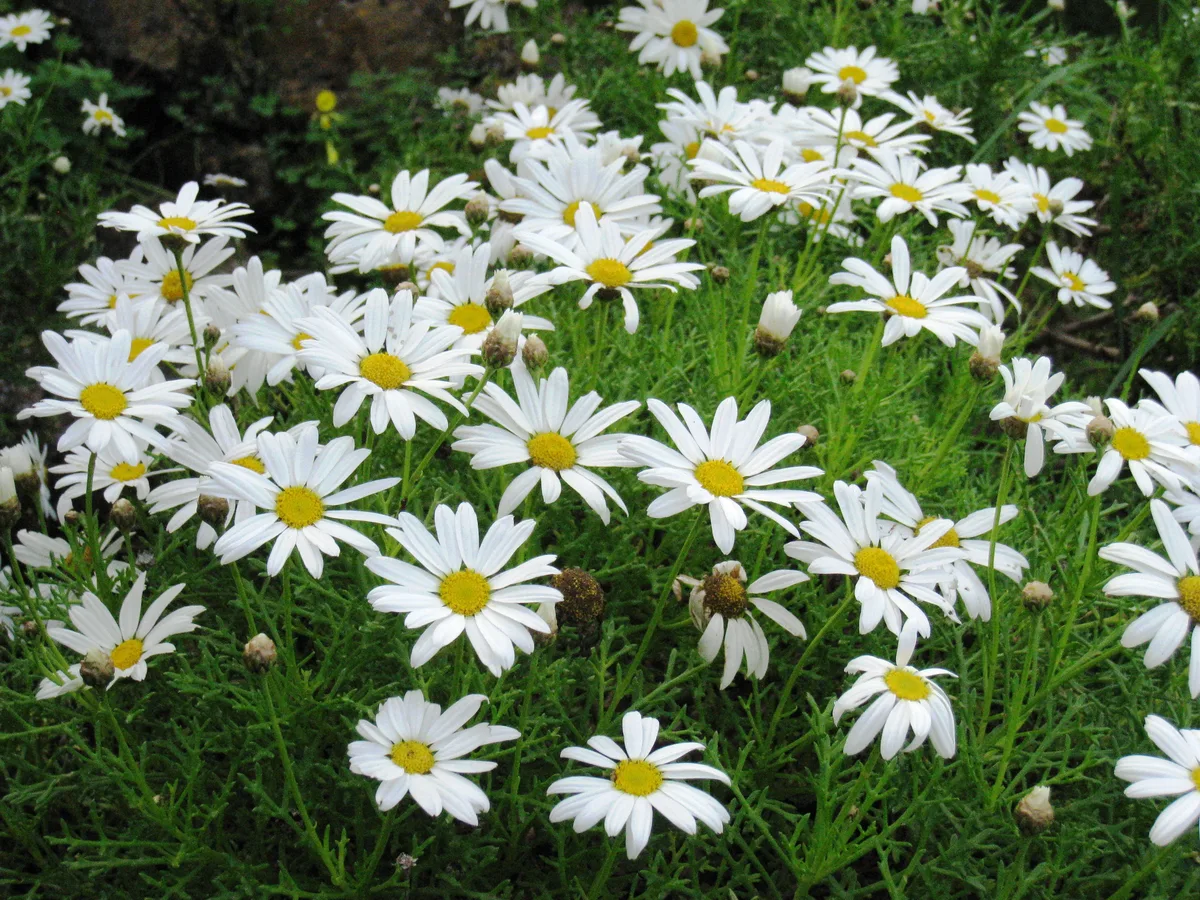
Argyranthemum frutescens is a variable, rounded subshrub producing coarsely-dissected bright green leaves and profuse white daisy-like flower heads, to 2cm across, with yellow disc-florets.
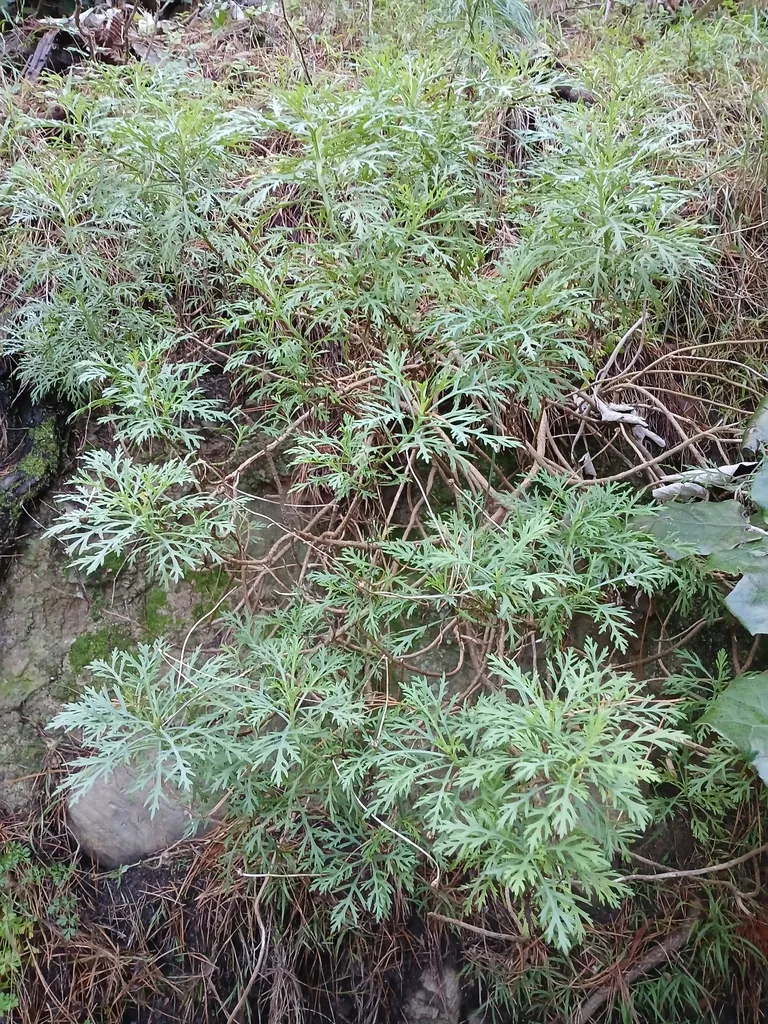
Scientific classification
- Species
- marguerite (Argyranthemum frutescens)
- Genus
- Argyranthemum
- Family
- Asteraceae
- Order
- Asterales
- Class
- Magnoliopsida
- Phylum
- Magnoliophyta
- Information to be completed
- Toxicity
- Herbaceous Perennial
- Plant type
- 0.5-1 metres
- Height
- 0.5-1 metres
- Spread
- Evergreen
- Foliage
- Bushy
- Habit
- Autumn · Spring · Summer · Winter
- Season of interest
- Full sun
- Sunlight
- 15 – 25 °C
- Ideal temperature









marguerite pictures
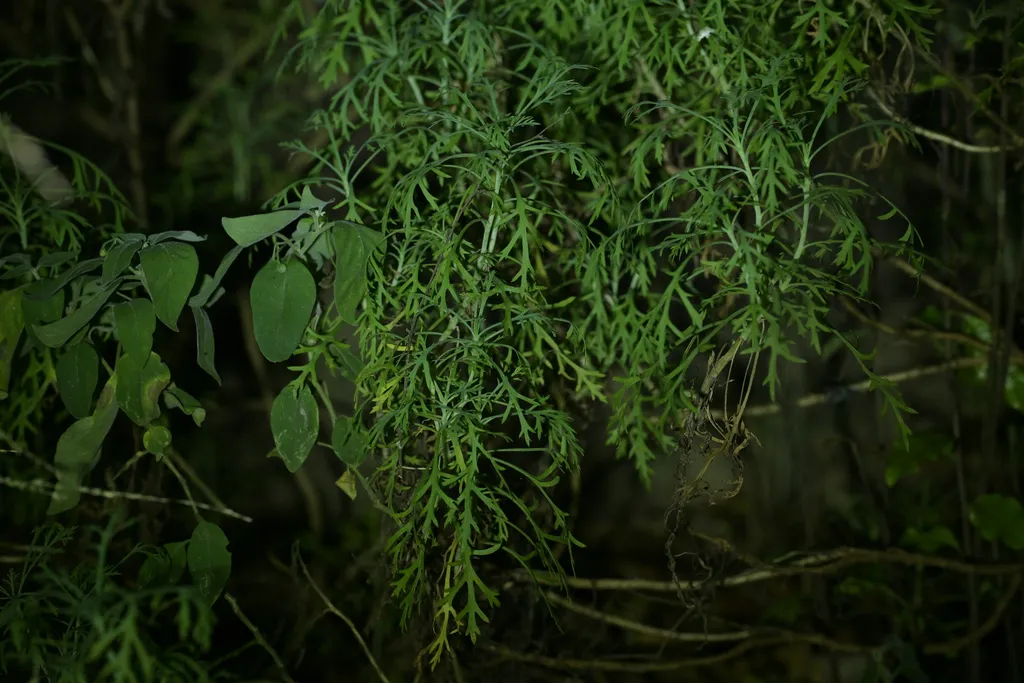

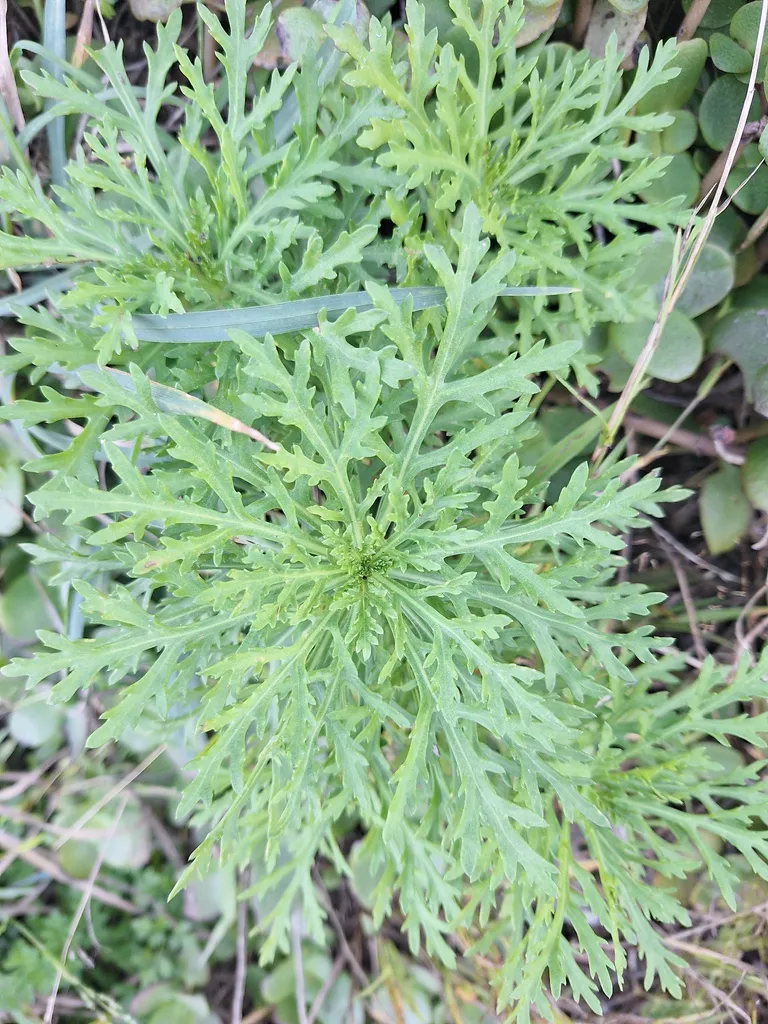
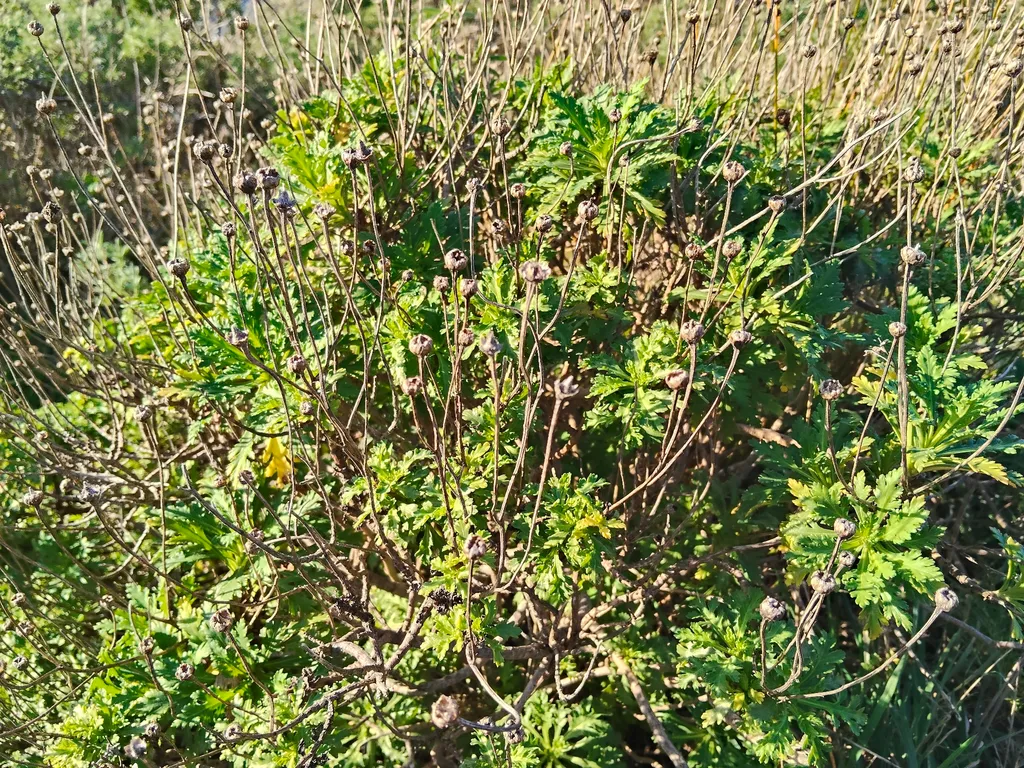
Distribution of marguerite
Distribution map
- Native
- Introduced
- Cultivated
Source:WCVP v16 · Royal Botanic Gardens, Kew · CC BY 3.0 · Boundaries:WGSRPD / TDWG
marguerite care guide
- Water when top soil is dry, avoid overwatering
- Watering
- Full sun
- Sunlight
- 15 – 25 °C
- Ideal temperature

Watering
Water when top soil is dry, avoid overwatering
Fertilizing
 Fertilizing
Every 2 weeks in growing season
Pruning
 Pruning
Deadhead regularly
Propagation
 Propagation
Root softwood cuttings in spring, or semi-ripe cuttings of non-flowering shoots, 5-10cm long, in summer.
Growing
 Growing
Grow in well-drained, moderately fertile soil in full sun. Tolerates sea winds. Where temperatures drop below freezing, take cuttings as insurance against winter losses.
Common pests and diseases
Diseases
Crown gall may be a problem
Pests
Leaf miners may be a problem
Explore the plant health library →




