



Planting and Growing creeping oxalis

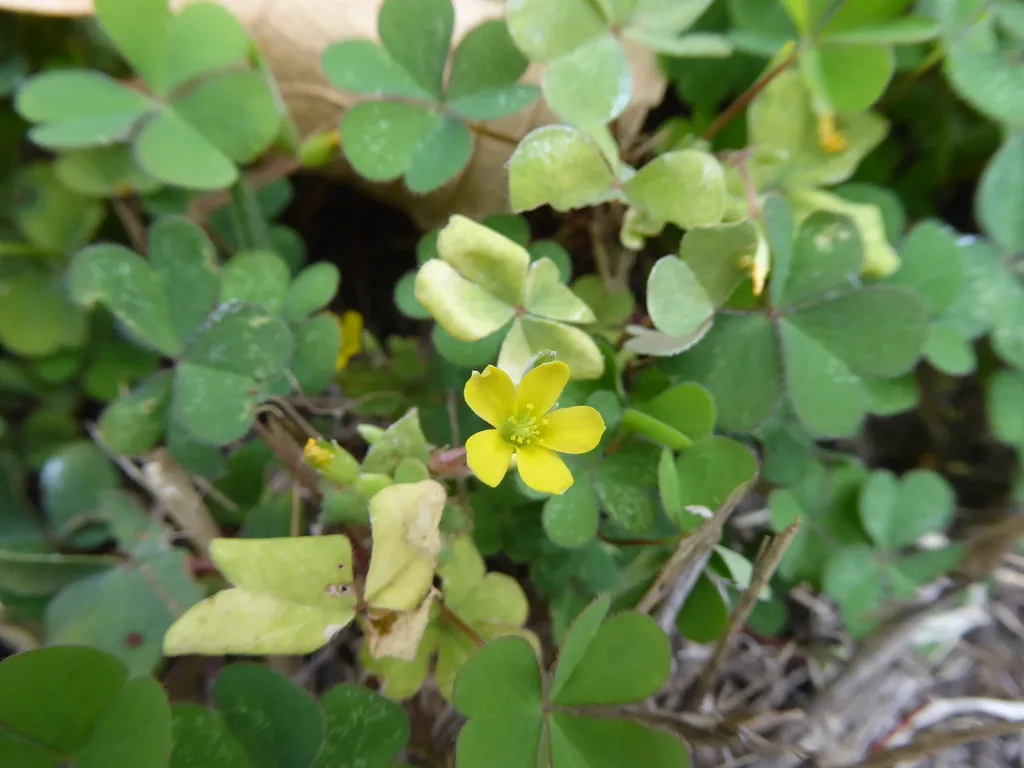
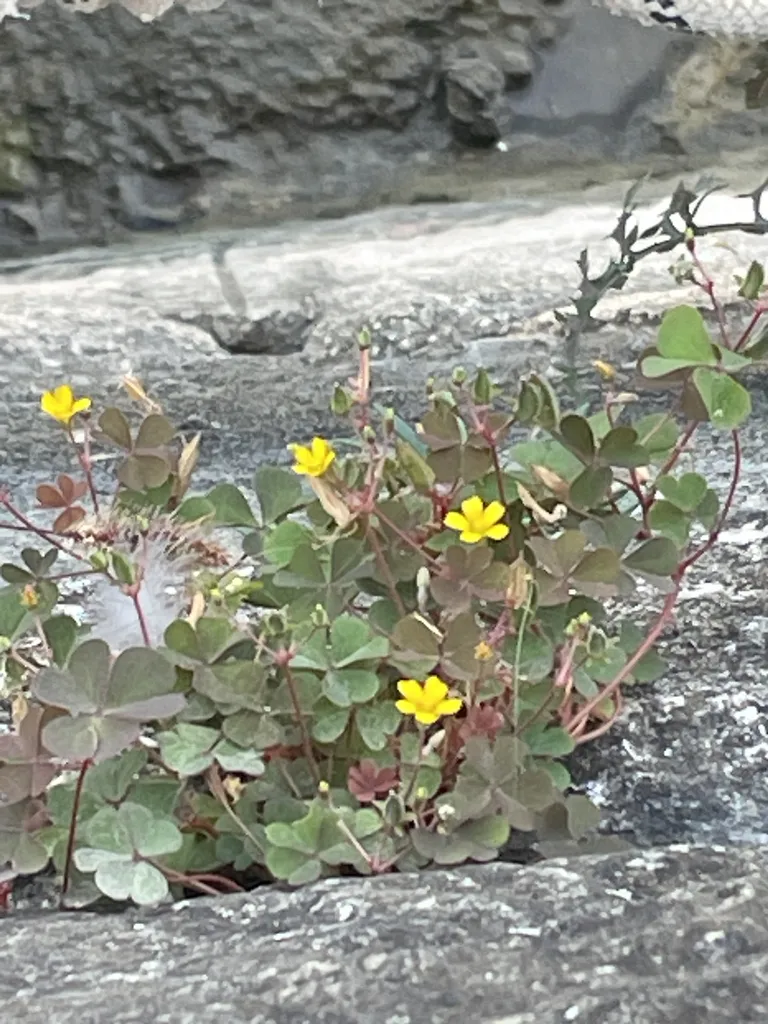
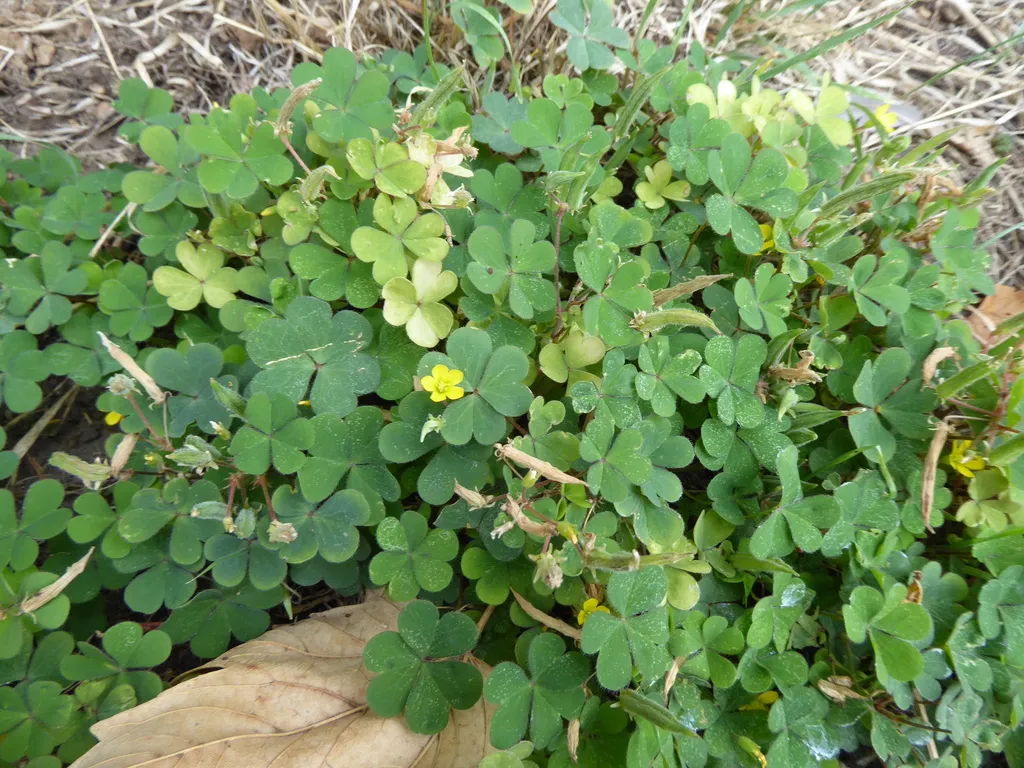
| Care difficulty | 1 / 5 |
|---|---|
| Watering schedule | Moderate regular watering, avoid prolonged drought or waterlogging |
| Sunlight requirements | Full shade · Full sun · Partial shade |
| Ideal temperature | 15 – 25 °C |
| Soil type | Chalk · Clay · Loam · Sand |
| Soil pH | Acid · Alkaline · Neutral |
| Soil moisture | Moist but well drained · Well drained |
| Fertilizing | Balanced feed in spring and light repeat in growth season |
| Toxicity | Information to be completed |
How to Water creeping oxalis?
Thriving in its native environment with ample moisture, creeping woodsorrel has adapted to require consistent hydration. This species is known for its preference for evenly moist soil conditions, indicative of its origins in areas with regular rainfall. To maintain this balance, creeping woodsorrel should be watered every week. As an herbaceous plant that often colonizes both sunny and shaded spots outdoors, creeping woodsorrel's growth and flowering are significantly influenced by the availability of water, which directly impacts its vigorous spreading habit.
Learn more →What Are the Sunlight Requirements for creeping oxalis?
Creeping woodsorrel flourishes best under full sun exposure which ensures vibrant growth and optimum health. However, it exhibits notable resilience and can tolerate partial sun, adapting to less intense light conditions. In these suboptimal settings, although growth may be slower, creeping woodsorrel is able to maintain overall health. Adaptive traits, such as changing leaf orientation and pigmentation, allow creeping woodsorrel to make the most of the available light. When cultivated outdoors, creeping woodsorrel should be placed in locations that can provide maximal sunlight for the majority of the day, keeping in mind that it will still thrive with some degree of shade.
Learn more →What Is the Ideal Temperature Range for creeping oxalis?

Creeping woodsorrel displays remarkable resilience to temperature variations, enduring cold down to -25℃ (-13℉) and heat up to 43℃ (109℉). This broad tolerance minimizes the need for intensive care across diverse climates. In cold conditions, symptoms such as wilting or browning of leaves may appear, whereas extreme heat might cause leaf scorching or stunted growth. To mitigate these issues, mulch can insulate roots during frosty spells, and shade or frequent watering can help cool the plant during hot weather. Such adaptability makes creeping woodsorrel suitable for a variety of environments, thriving with minimal intervention.
Learn more →What Soil Is Best for creeping oxalis?
Creeping woodsorrel can be sensitive to overwatering as soggy soil can promote the bulb root rot. This means that you should check for drainage in your garden before you choose your planting site and if you plan on growing them potted indoors, make sure that your container can be drained from the excess of water. Creeping woodsorrel requires neutral to slightly acidic soil (pH 6.0-6.5). Regarding the soil type, creeping woodsorrel is not too specific, so a well-drained, store-bought potting mix will work just fine.
- Soil type
- Chalk · Clay · Loam · Sand
- Soil pH
- Acid · Alkaline · Neutral
What Are the Moisture Requirements for creeping oxalis?
Moist but well drained · Well drained
Learn more →How to Fertilize creeping oxalis?

Creeping woodsorrel is a light feeder and does not require much additional feeding if grown in balanced soil. A balanced, all-purpose liquid fertilizer (half strength) once every couple of months will work just as well as slow-release fertilizer pellets. You should not add any additional nourishment when the plant is in its winter dormancy period. Additionally, when repotting, mix in some organic compost with the soil to give it some extra boost in its sprouting period.
Learn more →How to Prune creeping oxalis?

Creeping woodsorrel requires pruning only when entering their winter dormancy. When the foliage starts to wither, this is the sign that your creeping woodsorrel is entering its dormant phase. After the leaves turn brown, just remove the dead foliage and don’t worry, this is normal and they will return in the next growing season, which could start anywhere from 2 to 4 weeks. Remember to always disinfect your pruning tools because this minimizes any chances of cross-contamination.
Learn more →How to Propagate creeping oxalis?

Creeping woodsorrel is primarily propagated through its tubers in spring. This method is relatively easy, with successful propagation indicated by the emergence of new shoots. When necessary, gently remove and replant tubers for optimal growth.
Learn more →How to Transplant creeping oxalis?
For creeping woodsorrel, the finest window for resettlement is during the gentle warmth of late spring to early summer, ensuring better root establishment. Optimal success comes from a well-lit, airy spot with moist, well-drained soil. Careful handling during this period aids growth.
Learn more →How to Care for creeping oxalis in Winter?

Information to be completed
Learn more →How to Plant creeping oxalis?
Creeping woodsorrel generally blooms in the summer, so it should be planted during springtime, especially if planted in the garden. As creeping woodsorrel requires proper drainage, choose locations in your garden in which the rainwater does not pool. Also, take into consideration the different sunlight requirements according to the creeping woodsorrel species that you plan to plant in your garden. It is smart to plant bulbs and not from the seed, as you are never sure if all seeds will germinate. Loosen the soil and place the bulbs down about 4 cm and do not worry about on which side you place the bulb, as they will always grow upwards. Creeping woodsorrel looks stunning and grow well in groups, but be sure to make a bit of space between the bulbs (8 to 10 cm). If grown in pots, place up to 8 bulbs in a 15 cm container, up to 14 bulbs in an 20 cm pot and up to 20 bulbs in a 25 cm pot. Mix in some compost with the extracted soil, return the soil around the bulb and water generously at the end so the soil settles well. They should start sprouting after a couple of weeks.
Learn more →How to Repot creeping oxalis?
Needs excellent drainage in pots.
Learn more →How to Harvest creeping oxalis?

Information to be completed
Learn more →Common Pests & Diseases

Diseases
Generally disease-free
Pests
Generally pest-free
Explore the plant health library →The Toxicity of creeping oxalis
Information to be completed