
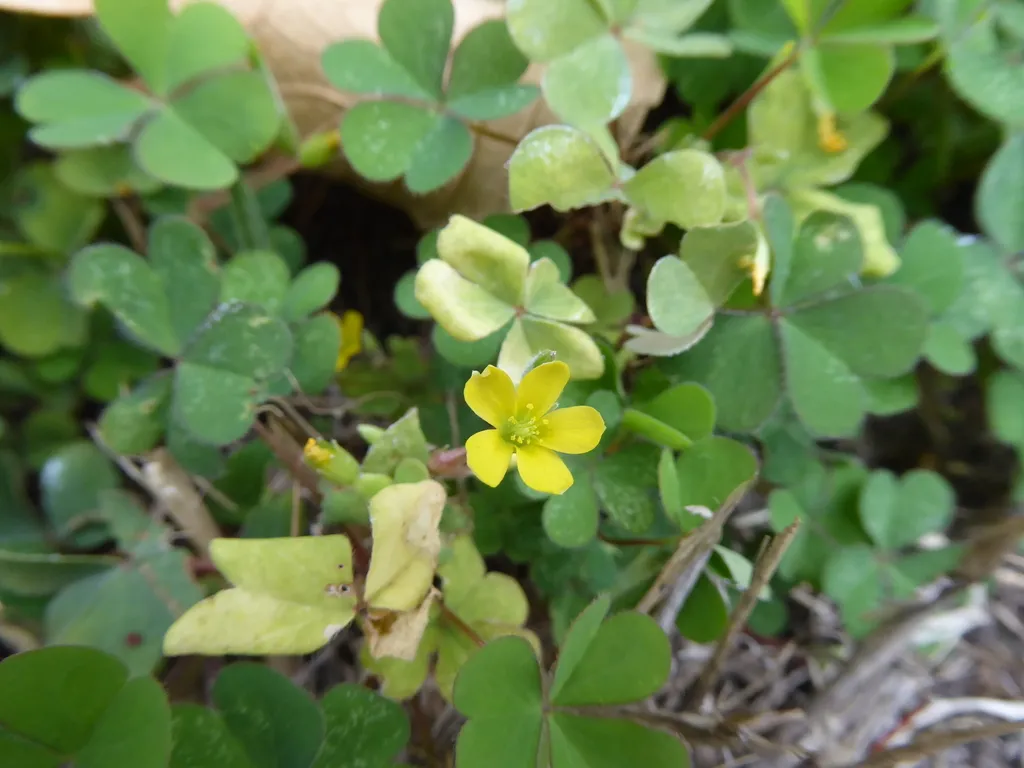



creeping oxalis

creeping oxalis · Temperature

creeping oxalis · Oxalis corniculata
Also known as: creeping yellow oxalis; nasturtium wood sorrel; procumbent yellow sorrel; procumbent yellow wood sorrel

Creeping woodsorrel is a resilient, low-maintenance plant known for its ability to thrive in a variety of conditions. Two primary care aspects to consider are light and moisture; creeping woodsorrel prefer bright, indirect sunlight and consistent but moderate watering, avoiding both soggy and bone-dry soil. Special care should be given to prevent the invasive spread of creeping woodsorrel in outdoor settings, as it can quickly take over gardens.

Watering: Moderate regular watering, avoid prolonged drought or waterloggingSunlight: Full shade · Full sun · Partial shadeInformation to be completed

What Is the Ideal Temperature Range for creeping oxalis?

Creeping woodsorrel displays remarkable resilience to temperature variations, enduring cold down to -25℃ (-13℉) and heat up to 43℃ (109℉). This broad tolerance minimizes the need for intensive care across diverse climates. In cold conditions, symptoms such as wilting or browning of leaves may appear, whereas extreme heat might cause leaf scorching or stunted growth. To mitigate these issues, mulch can insulate roots during frosty spells, and shade or frequent watering can help cool the plant during hot weather. Such adaptability makes creeping woodsorrel suitable for a variety of environments, thriving with minimal intervention.