
creeping oxalis
Also known as: creeping yellow oxalis; nasturtium wood sorrel; procumbent yellow sorrel; procumbent yellow wood sorrel
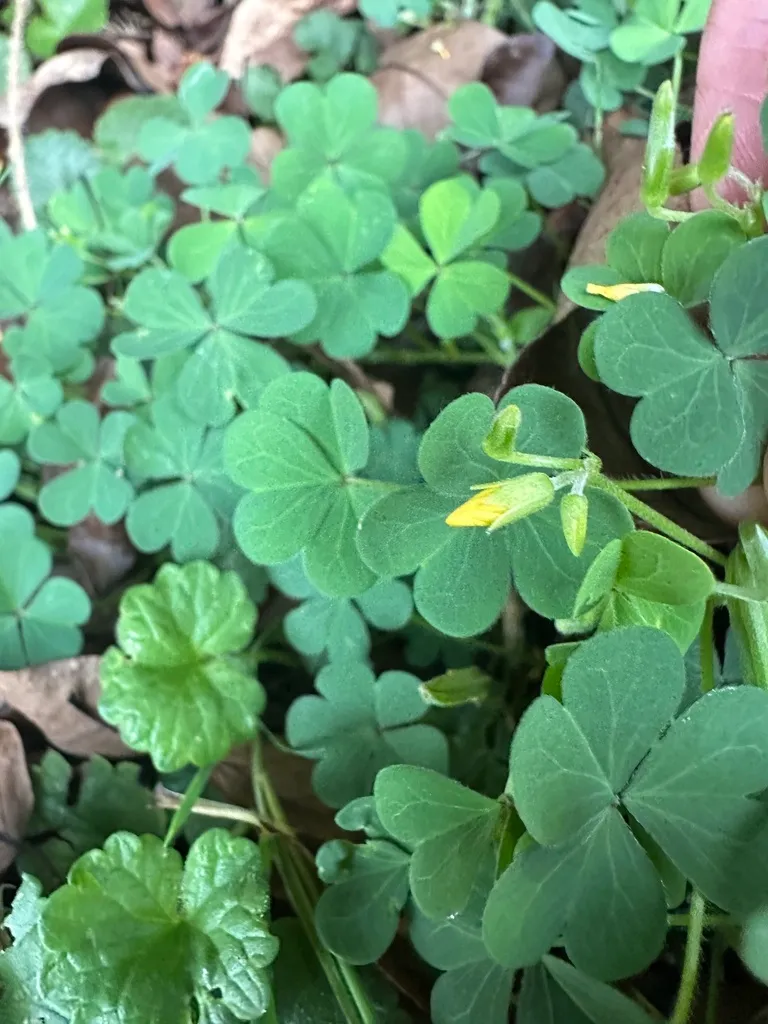
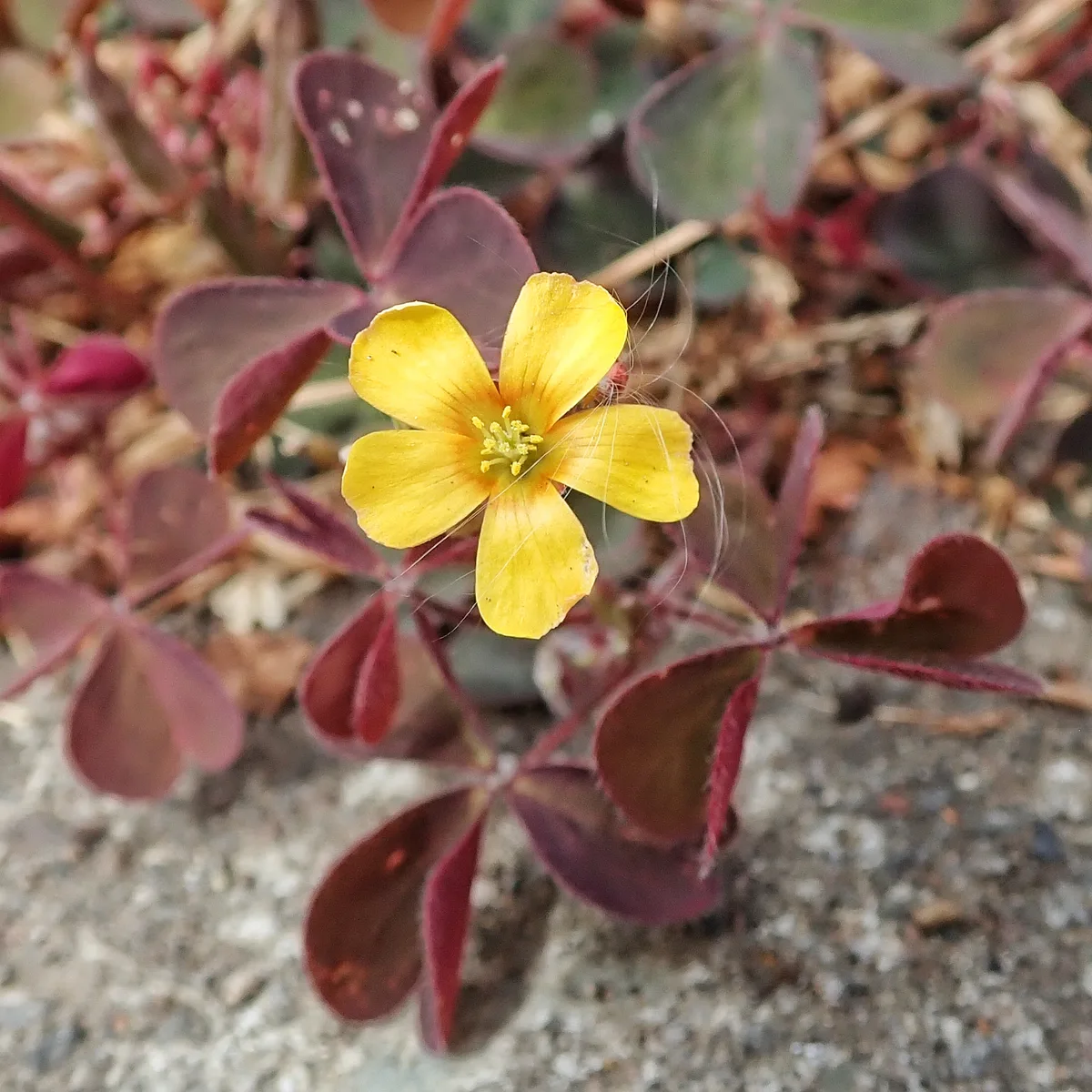
A ground-hugging perennial with branched, creeping stems, small, clover-like leaves, varying from bright mid-green to dark red-purple. Small, yellow, five-petalled flowers are followed by upright, five-ribbed seed pods
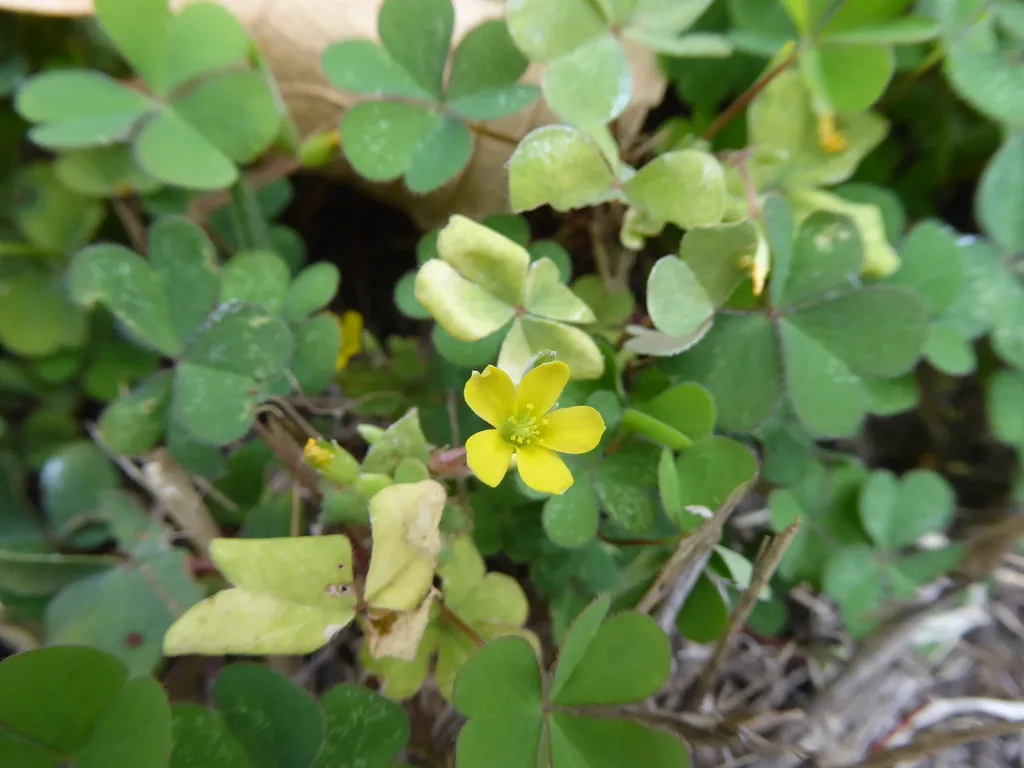
Scientific classification
- Species
- creeping oxalis (Oxalis corniculata)
- Genus
- Oxalis
- Family
- Oxalidaceae
- Information to be completed
- Toxicity
- Herbaceous Perennial
- Plant type
- Up to 10 cm
- Height
- 0.1-0.5 metres
- Spread
- Deciduous
- Foliage
- Matforming
- Habit
- Autumn · Spring · Summer
- Season of interest
- Full shade · Full sun · Partial shade
- Sunlight
- 15 – 25 °C
- Ideal temperature









creeping oxalis pictures
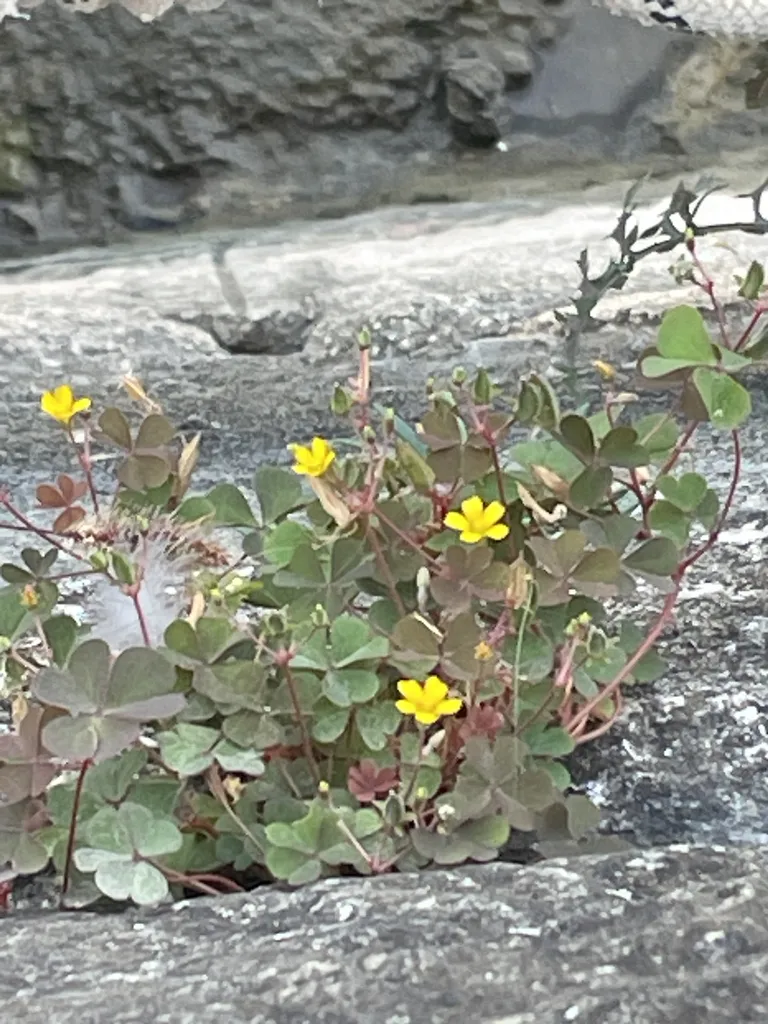
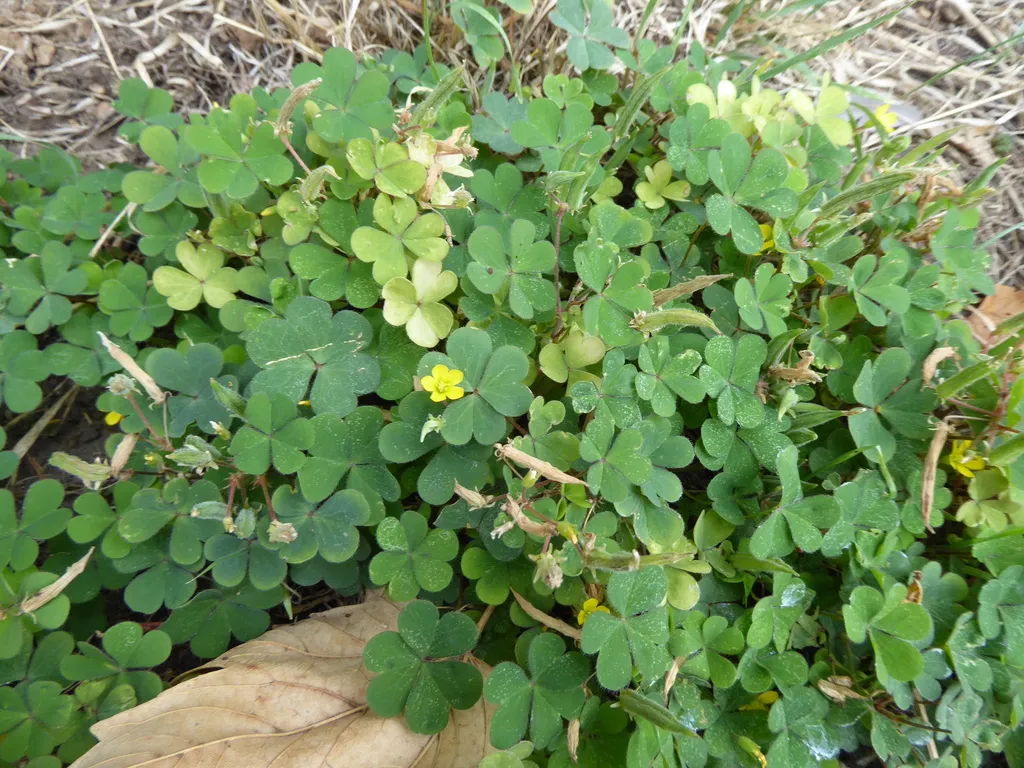
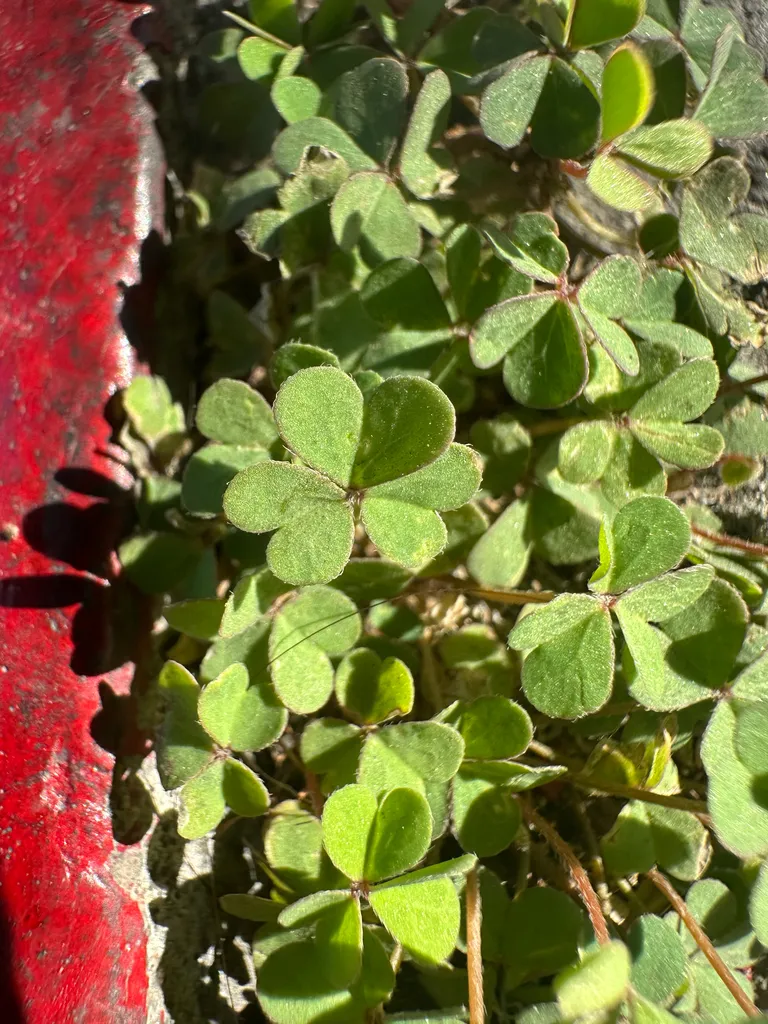
Distribution of creeping oxalis
Distribution map
Information to be completed
Information to be completed
Culture
Information to be completed
Toxicity
Information to be completed
Quick identification of creeping oxalis
Information to be completed
creeping oxalis care guide
- Moderate regular watering, avoid prolonged drought or waterlogging
- Watering
- Full shade · Full sun · Partial shade
- Sunlight
- 15 – 25 °C
- Ideal temperature

Watering
Moderate regular watering, avoid prolonged drought or waterlogging
Fertilizing
 Fertilizing
Balanced feed in spring and light repeat in growth season
Pruning
 Pruning
No pruning required
Propagation
 Propagation
Spreads mostly by seed, though stems also root at the nodes
Growing
 Growing
Grows naturally on paths, walls, waste and cultivated ground. May have the potential to become a nuisance in lawns, beds and borders, containers and greenhouses if not well managed
People also ask
Information to be completed
Common pests and diseases
Diseases
Generally disease-free
Pests
Generally pest-free
Explore the plant health library →




