



Planting and Growing eyelash-leaved sage

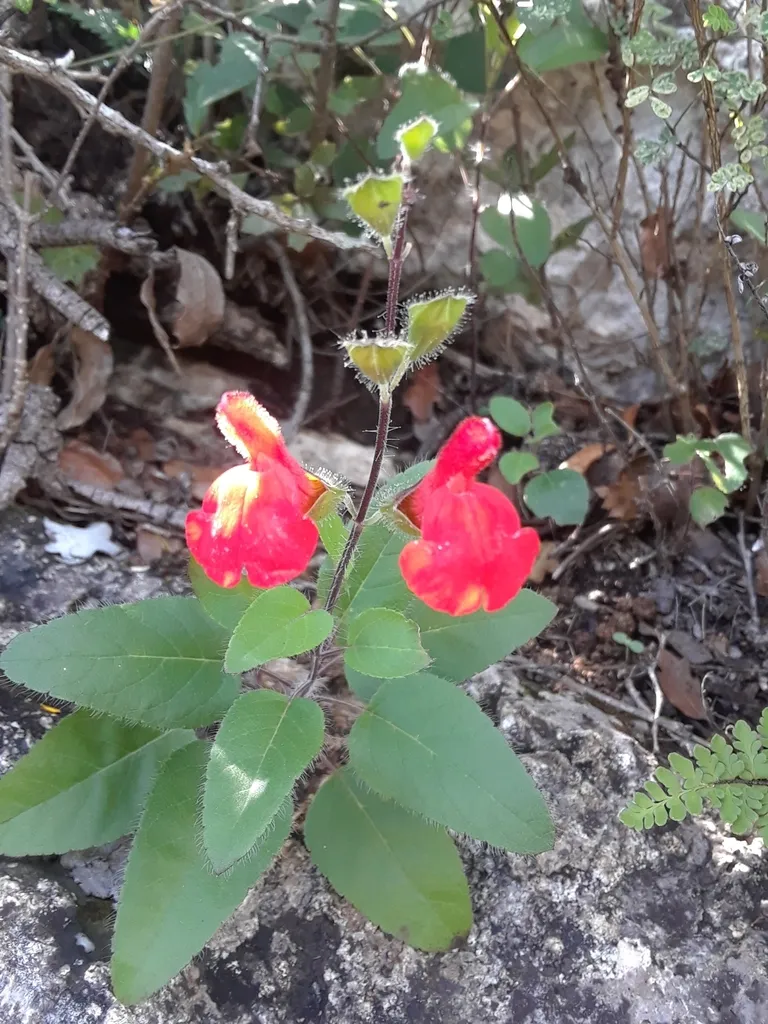
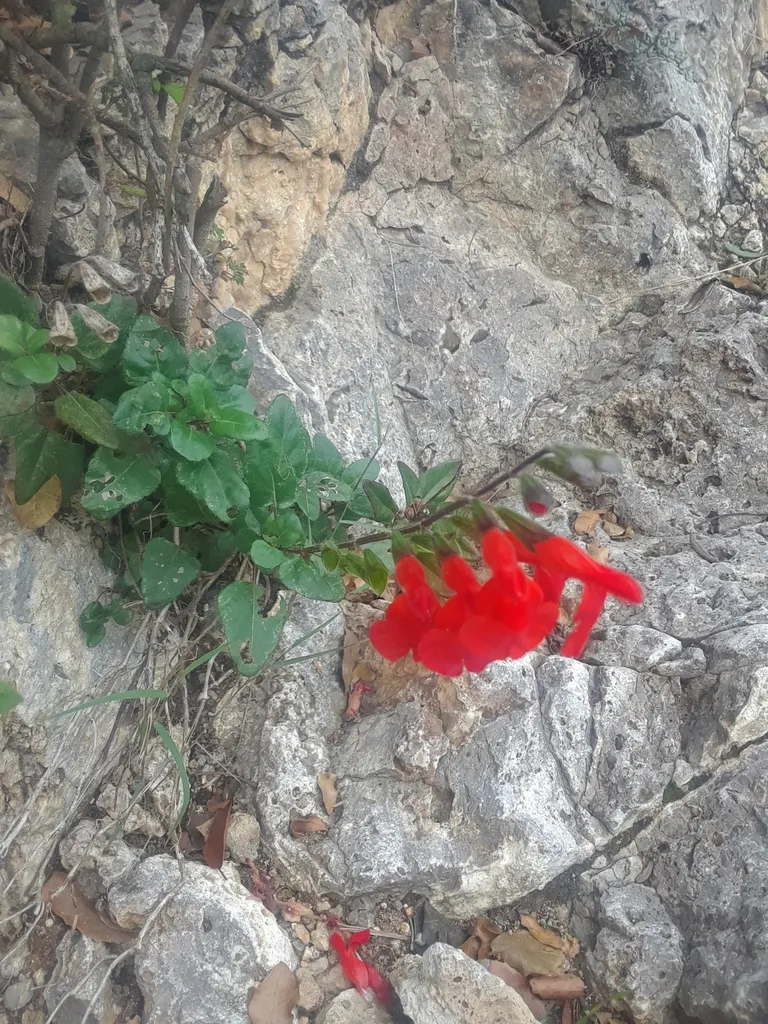
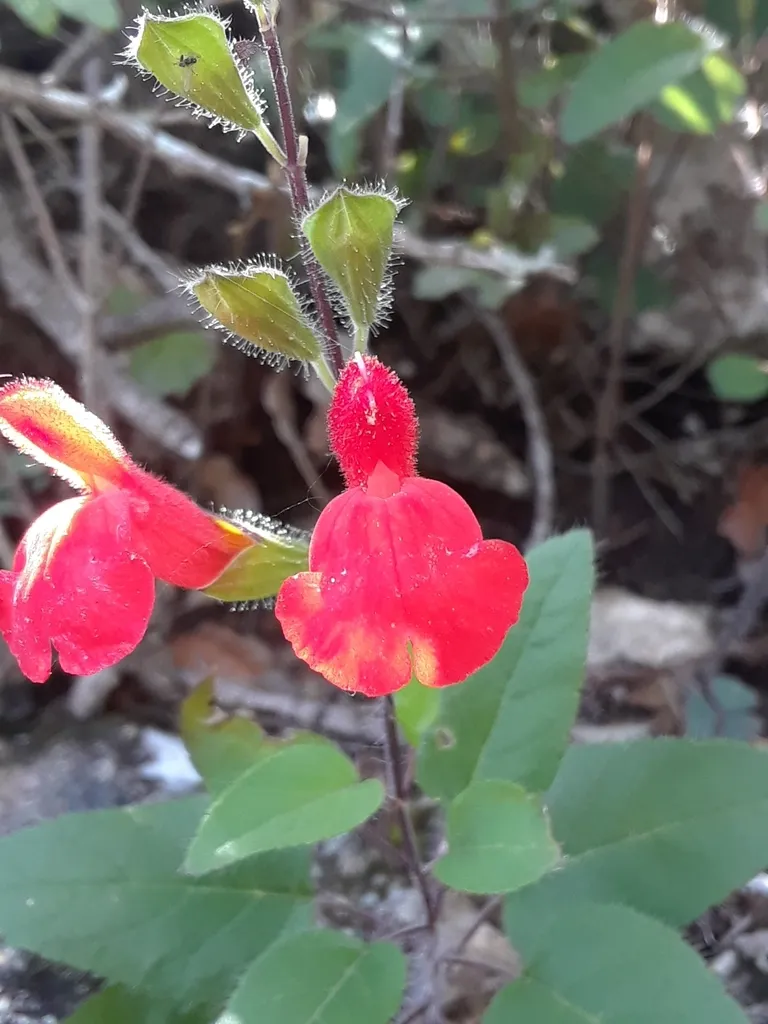
| Care difficulty | 3 / 5 |
|---|---|
| Watering schedule | Moderate watering, let surface soil dry before rewatering thoroughly |
| Sunlight requirements | Full sun |
| Ideal temperature | Information to be completed |
| Soil type | Chalk · Loam · Sand |
| Soil pH | Acid · Alkaline · Neutral |
| Soil moisture | Moist but well drained · Well drained |
| Fertilizing | Diluted salvia flowering feed every three weeks active growth |
| Toxicity | Information to be completed |
How to Water eyelash-leaved sage?
Moderate watering, let surface soil dry before rewatering thoroughly
Learn more →What Are the Sunlight Requirements for eyelash-leaved sage?
Full sun
Learn more →What Soil Is Best for eyelash-leaved sage?
- Soil type
- Chalk · Loam · Sand
- Soil pH
- Acid · Alkaline · Neutral
What Are the Moisture Requirements for eyelash-leaved sage?
Moist but well drained · Well drained
Learn more →How to Fertilize eyelash-leaved sage?

Diluted salvia flowering feed every three weeks active growth
Learn more →How to Prune eyelash-leaved sage?

Prune lightly as needed to remove unwanted shoots and keep the shrub in shape. Prune in spring.
Learn more →How to Propagate eyelash-leaved sage?

Propagate by seed sown in containers in a cold frame in spring, or softwood or semi-ripe cuttings
Learn more →How to Plant eyelash-leaved sage?
Needs well-drained soil in a sunny position. May survive the winter in a sheltered spot in mild areas but best overwintered in a cold greenhouse
Learn more →Common Pests & Diseases

Diseases
May be susceptible to honey fungus (rarely), powdery mildews, verticillium wilt and foot and root rots
Pests
May be susceptible to slugs and snails
Explore the plant health library →