



Planting and Growing biting stonecrop

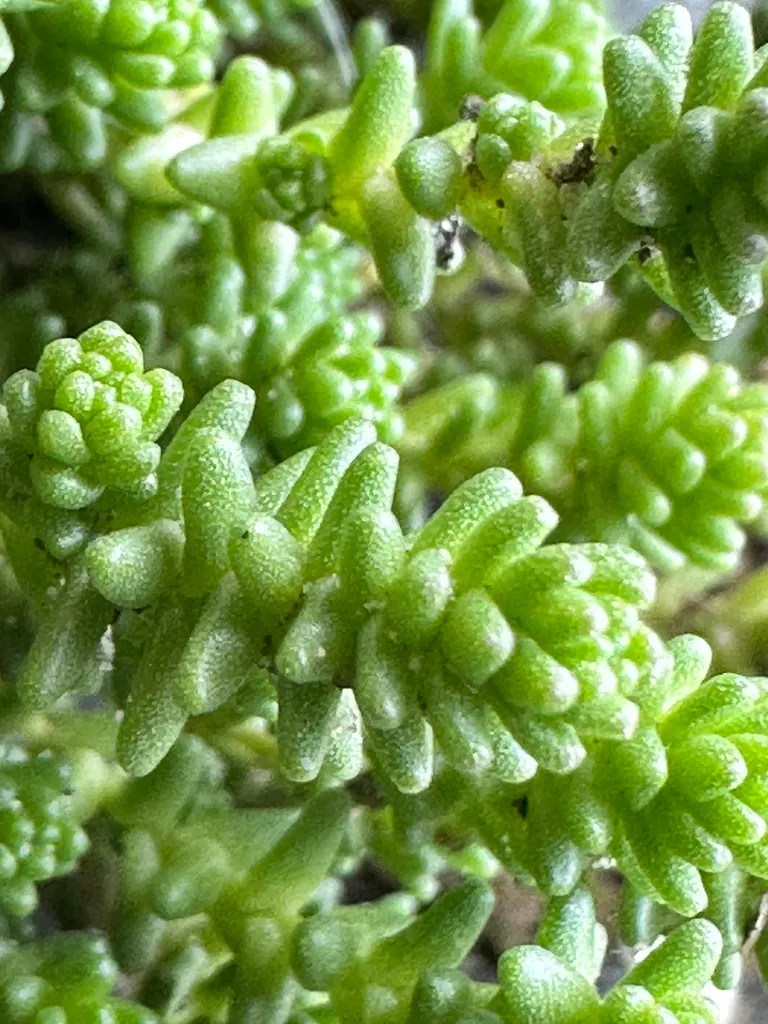
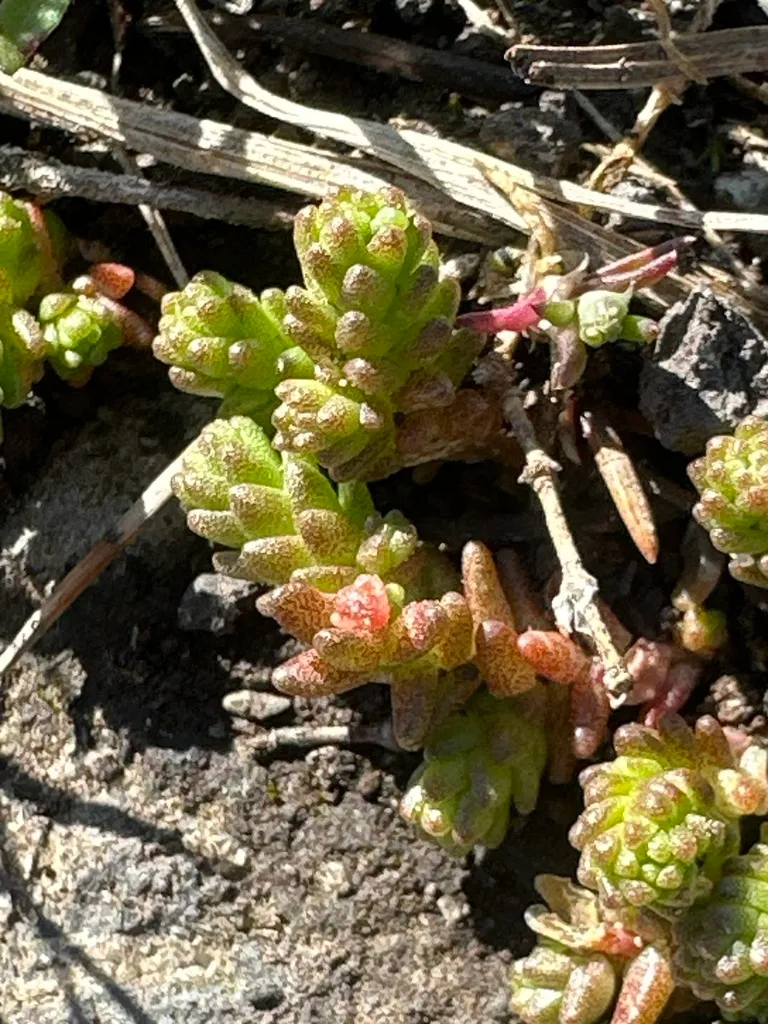
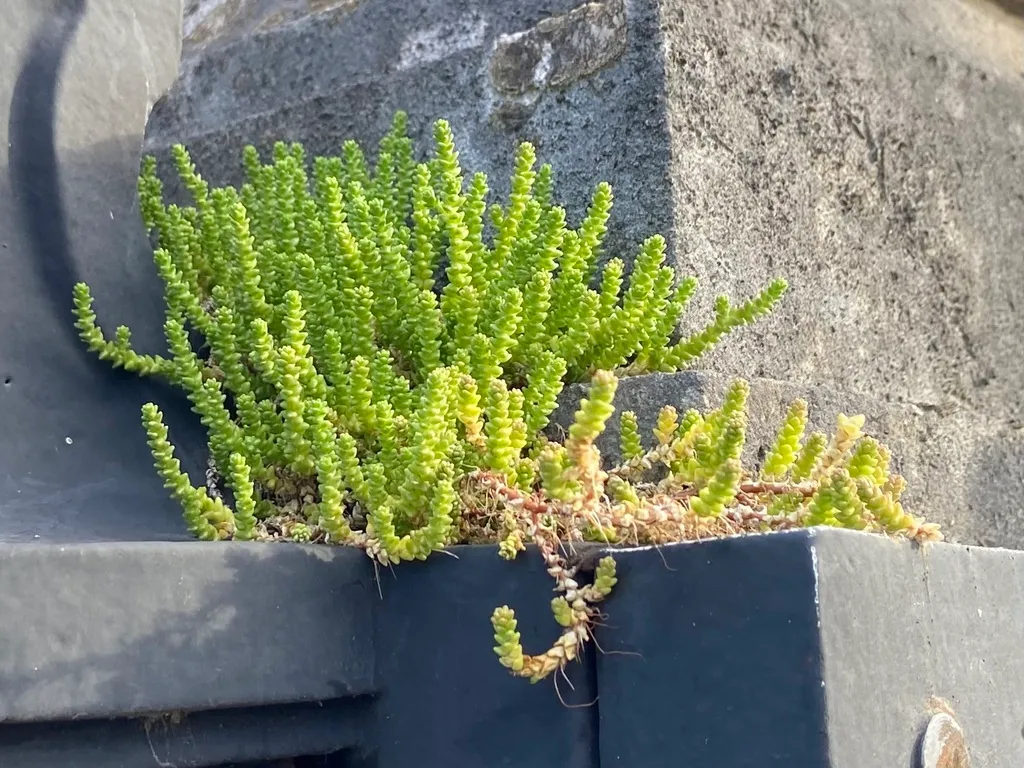
| Care difficulty | 1 / 5 |
|---|---|
| Watering schedule | Let gritty substrate dry completely before giving another full soaking |
| Sunlight requirements | Full sun |
| Ideal temperature | 15 – 25 °C |
| Soil type | Chalk · Loam · Sand |
| Soil pH | Acid · Alkaline · Neutral |
| Soil moisture | Moist but well drained · Well drained |
| Fertilizing | Ultra-diluted low-nitrogen succulent feed monthly warm summer only |
| Toxicity | Sap can be a irritant. Wear gloves and other protective equipment when handling |
How to Water biting stonecrop?
Thriving in arid conditions, goldmoss stonecrop is well-adapted to retain moisture, making it highly drought-tolerant. Its succulent nature allows for infrequent watering, aligning with its natural habitat's low rainfall levels. Watering should occur once every 2-3 weeks, ensuring the soil dries out between sessions to mimic its native environment. As an outdoor plant often found in rock gardens and crevices, goldmoss stonecrop's ability to flourish with minimal water input makes it a perfect candidate for xeriscaping, leveraging its drought-resilient traits.
Learn more →What Are the Sunlight Requirements for biting stonecrop?
Goldmoss stonecrop thrives best in full sun conditions where it can receive at least six hours of direct sunlight daily, promoting vigorous growth and profuse flowering. It tolerates partial sun; however, reduced light may lead to suboptimal growth and fewer blooms. Goldmoss stonecrop's foliage may exhibit color intensification when exposed to bright light, underscoring its adaptability. Outdoors, goldmoss stonecrop prefers sunny rock gardens or borders, whereas indoors, it should be placed in south-facing windows to mimic its natural light preferences.
Learn more →What Is the Ideal Temperature Range for biting stonecrop?

Goldmoss stonecrop demonstrates considerable resilience to temperature fluctuations. It can endure cold temperatures as low as -30℃ (-22℉) and heat up to 35℃ (95℉). This robust temperature tolerance means goldmoss stonecrop thrives in various climates without needing extreme protective measures. However, symptoms of stress under cold extremes include leaf discoloration and tissue damage, while excessive heat may lead to wilted, desiccated leaves. For overcooling, use mulching or frost covers; to combat overheating, provide shade and regular watering. This adaptability makes goldmoss stonecrop an excellent choice for gardeners in diverse environmental conditions.
Learn more →What Soil Is Best for biting stonecrop?
Goldmoss stonecrop thrives in well-draining soil. For a suitable mix, combine succulent and cactus soil with coarse sand or perlite for enhanced aeration and drainage. In the absence of a commercial mix, combine equal parts potting soil, coarse sand, and gritty material like pumice or perlite. Drainage is crucial to prevent water-logging, which goldmoss stonecrop is sensitive to. Periodic addition of slow-release fertilizers will support robust growth. Maintain soil moisture but allow it to dry out between waterings.
- Soil type
- Chalk · Loam · Sand
- Soil pH
- Acid · Alkaline · Neutral
What Are the Moisture Requirements for biting stonecrop?
Moist but well drained · Well drained
Learn more →How to Fertilize biting stonecrop?

Fertilize goldmoss stonecrop sparingly with succulents and cacti food, ideally during the active growing season in spring and summer. Quarterly applications are sufficient, using half the recommended dose to avoid over-fertilization, which can harm goldmoss stonecrop's delicate root system and impede its natural hardiness. Adequate fertilization encourages vibrant foliage and blooms, enhancing goldmoss stonecrop's beauty and resilience. Avoid fertilizing in winter when goldmoss stonecrop is dormant. Always water goldmoss stonecrop after fertilizing to distribute nutrients evenly and prevent root burn.
Learn more →How to Prune biting stonecrop?

In order to keep a beautiful shape, large succulent plants may need pruning. For example, for echeveria planted in the garden, redundant branches or branches that are too dense need to be cut off in spring and fall. This depends on the plant's purpose and your preference. Tools for pruning mainly include knives, scissors, and some medicines (such as sulfur powder). In order to propagate new plants, cut some leaves in spring and fall. Select a stout stem with 5-6 leaves. Cut it off with a knife, then smear the wound with sulfur powder, and plant it after the wound is healed. Slightly wet the soil used for planting.
Learn more →How to Propagate biting stonecrop?

A resilient perennial succulent groundcover adept at spreading, goldmoss stonecrop is propagated primarily through cuttings. For optimal results, select healthy shoots and trim them just below a leaf node. Allow these cuttings to dry for a day or two before planting them in well-draining soil mix; this encourages the development of roots. Ensure consistent moisture and warmth without waterlogging to promote successful propagation.
Learn more →How to Transplant biting stonecrop?
The perfect time to transplant goldmoss stonecrop is between mid-spring and late spring, as it allows ample time for the plant to establish its roots before the heat of summer. Choose a well-draining location with full sun exposure. Gently loosen the roots while transplanting for better establishment. Happy planting!
Learn more →How to Plant biting stonecrop?
Indoors-potted: Ensure your goldmoss stonecrop has a well-draining pot to mimic its natural rocky habitat, promoting healthy growth indoors. Outdoors-potted: Goldmoss stonecrop thrives outdoors in pots; just ensure adequate drainage to prevent root rot in wetter climates. Outdoors-in the ground: In garden soil, goldmoss stonecrop spreads quickly, forming a vibrant carpet; be mindful of its invasive potential.
Learn more →How to Repot biting stonecrop?
Repot goldmoss stonecrop, a hardy ground cover, in early spring every 2 years to accommodate growth. Choose a shallow, wide container that enables its creeping habit. Follow repotting with minimal watering to reduce risk of rot, ensuring the succulent characteristics of goldmoss stonecrop thrive. This resilient species requires little post-repotting care, making it ideal for both novices and seasoned gardeners.
Learn more →Common Pests & Diseases

Diseases
Trouble-free
Pests
Trouble-free
Explore the plant health library →The Toxicity of biting stonecrop
Sap can be a irritant. Wear gloves and other protective equipment when handling