



Planting and Growing white stonecrop

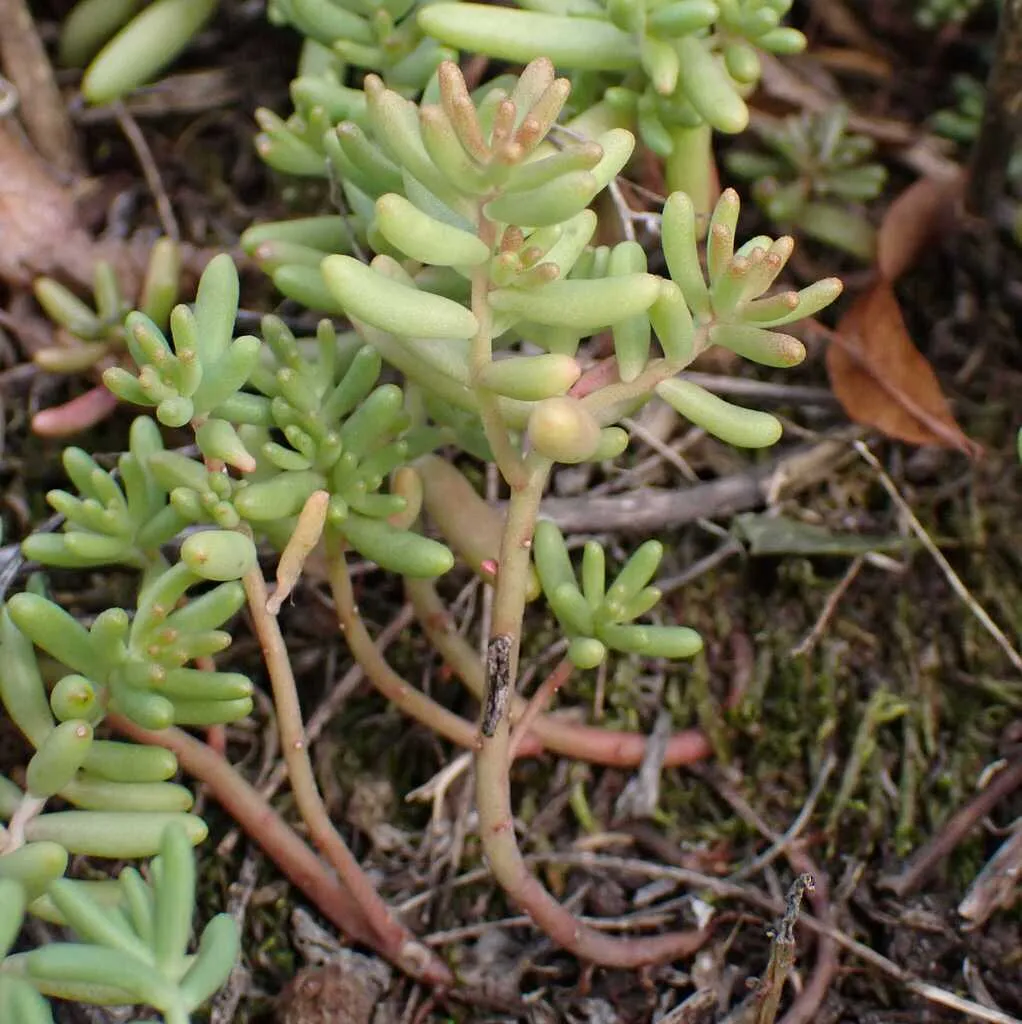
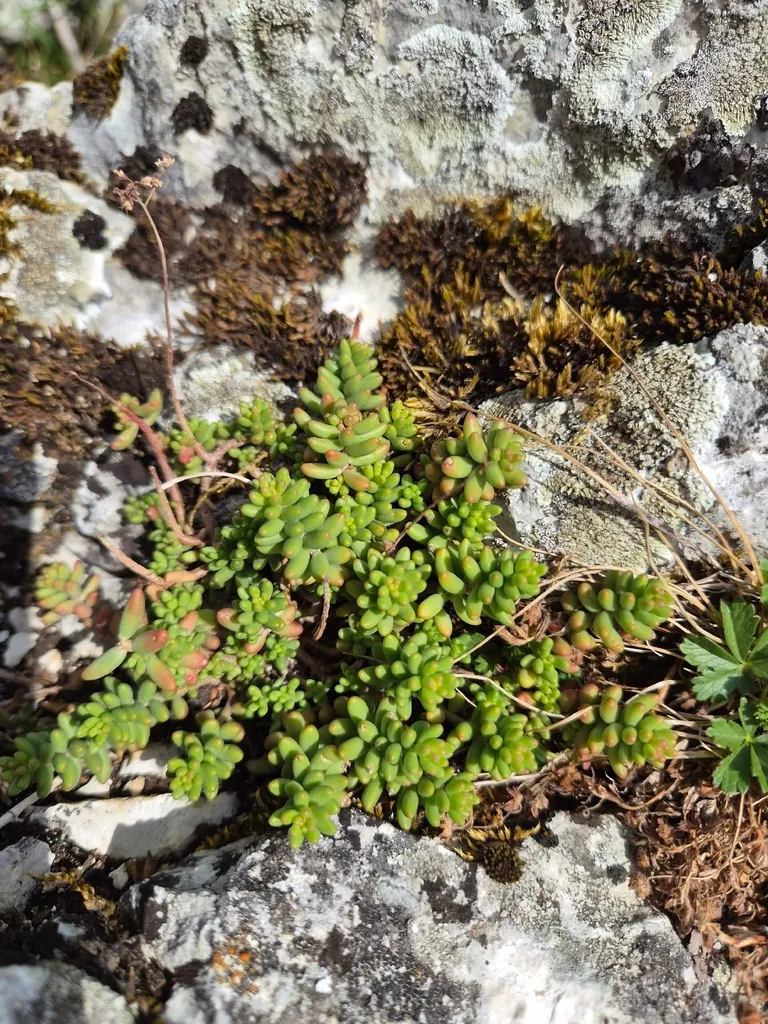
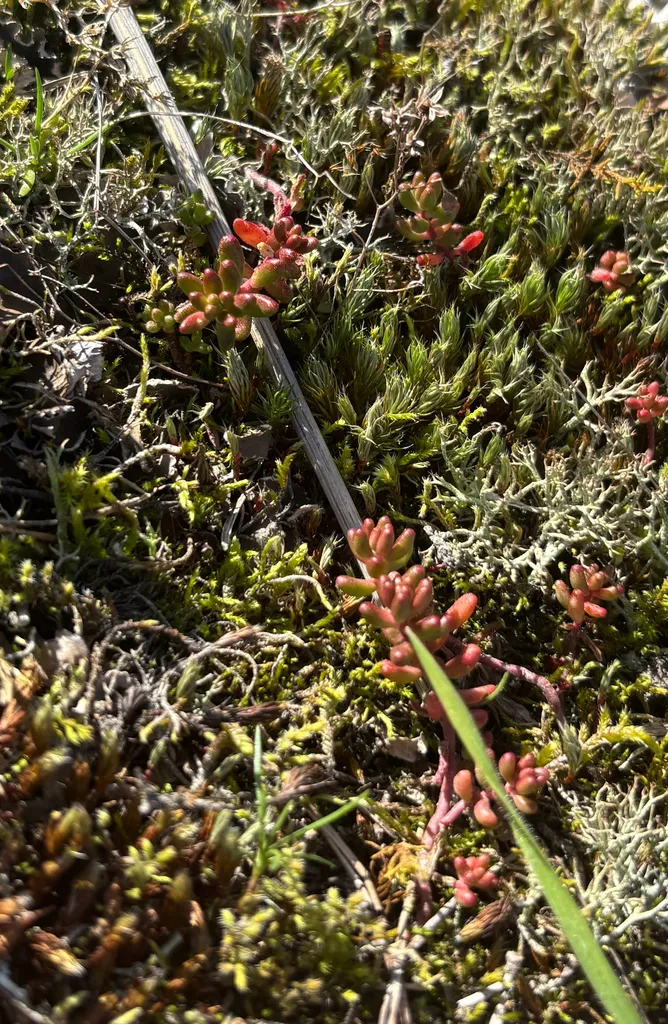
| Care difficulty | 1 / 5 |
|---|---|
| Watering schedule | Water sparingly, allow soil to dry well between waterings |
| Sunlight requirements | Full sun |
| Ideal temperature | 15 – 25 °C |
| Soil type | Chalk · Loam · Sand |
| Soil pH | Alkaline · Neutral |
| Soil moisture | Well drained |
| Fertilizing | Very light low nitrogen feed in spring |
| Toxicity | Information to be completed |
How to Water white stonecrop?
Originating from rocky, arid habitats, white stonecrop is adept at storing water in its succulent leaves, showcasing a high drought tolerance. This resilience translates to a low maintenance watering regime of once every 2-3 weeks, ensuring the soil dries out between sessions. As an outdoor plant often thriving in well-draining soil, white stonecrop benefits from occasional rain but can also tolerate dry spells with ease. To optimize growth and maintain vigor during the growing season, ensure that white stonecrop's soil remains lightly moist without becoming waterlogged.
Learn more →What Are the Sunlight Requirements for white stonecrop?
White stonecrop thrives best in full sunlight, which significantly enhances its growth, health, and flowering capacity. It tolerates partial sun, though too much shade may lead to reduced vigor and fewer blooms. Adaptively, white stonecrop can modify its leaf pigmentation and orientation to optimize light absorption, which is beneficial in less than ideal light conditions. Recommended for outdoor planting, white stonecrop should be positioned in areas that receive ample daylight to maintain its lush appearance and promote flowering.
Learn more →What Is the Ideal Temperature Range for white stonecrop?

White stonecrop demonstrates remarkable resilience to temperature fluctuations, enduring cold down to 0℃ (32℉) and heat up to 38℃ (100℉). This tolerance facilitates its adaptation to diverse environments, requiring minimal protective measures against frost or intense heat. However, in extreme cold, white stonecrop may show symptoms like leaf discoloration or wilting; in excessive heat, it might exhibit leaf curling or scorching. To counteract overcooling, employ mulching or covering; for overheating, ensure adequate watering and partial shade. Overall, white stonecrop's temperature resilience significantly simplifies its care, making it a versatile choice for gardeners.
Learn more →What Soil Is Best for white stonecrop?
White stonecrop thrives in well-draining soil, making aeration crucial. A suitable soil mix comprises equal parts of succulent & cactus soil, coarse sand, and perlite, ensuring good drainage. In the absence of a commercial mix, a homemade blend using these components works well. Incorporate a slow-release fertilizer at the beginning of the growing season to encourage healthy growth. Regular watering should follow the 'soak and dry' method, while avoiding water-logging to protect white stonecrop's roots.
- Soil type
- Chalk · Loam · Sand
- Soil pH
- Alkaline · Neutral
What Are the Moisture Requirements for white stonecrop?
Well drained
Learn more →How to Fertilize white stonecrop?

Nourish white stonecrop with a succulent-specific fertilizer to bolster growth and bloom. Quarterly feeding in growing seasons suffices; dilute to half the recommended strength to prevent root burn. In dormant winter, withhold fertilizer. Apply during watering to ensure even distribution. For seedlings or freshly transplanted white stonecrop, avoid fertilization for a month to encourage natural root establishment. Over-fertilization risks foliage at the expense of flowering. Adhering to these guidelines will maintain white stonecrop's vigor and visual appeal.
Learn more →How to Prune white stonecrop?

In order to keep a beautiful shape, large succulent plants may need pruning. For example, for echeveria planted in the garden, redundant branches or branches that are too dense need to be cut off in spring and fall. This depends on the plant's purpose and your preference. Tools for pruning mainly include knives, scissors, and some medicines (such as sulfur powder). In order to propagate new plants, cut some leaves in spring and fall. Select a stout stem with 5-6 leaves. Cut it off with a knife, then smear the wound with sulfur powder, and plant it after the wound is healed. Slightly wet the soil used for planting.
Learn more →How to Propagate white stonecrop?

As a resilient succulent, white stonecrop thrives when propagated through cuttings, the method reflecting its robust nature. To cultivate white stonecrop's cuttings, select a healthy stem and clip it, allowing the cut end to callous for a few days before planting. This preparation enhances rooting success as these cuttings root readily in well-draining soil. Ensuring minimal soil moisture encourages strong root development without risking rot, pivotal for white stonecrop's propagation.
Learn more →How to Transplant white stonecrop?
The optimal time to relocate white stonecrop is during the season of renewal, ensuring stronger root establishment before summer. Aim for locations with adequate sunlight and well-draining soil. A light touch aids their adaptation, so be gentle during the process.
Learn more →How to Plant white stonecrop?
Indoors-potted: For white stonecrop indoors, ensure your pot has good drainage to prevent waterlogging and encourage robust growth. Outdoors-potted: White stonecrop, when potted outdoors, thrives with periodic rotation to promote even growth on all sides. Outdoors-in the ground: In the ground, white stonecrop spreads quickly, providing excellent ground cover; however, manage its spread to avoid overgrowth.
Learn more →How to Repot white stonecrop?
Repot white stonecrop, a low-growing ground cover, in early spring every two years to accommodate its growth. Choose a shallow pot with ample drainage as white stonecrop thrives with a little root restriction. Use well-draining soil mix to prevent waterlogging after repotting, and ensure the container accommodates white stonecrop's mat-forming habit. After repotting, water sparingly and provide bright light to encourage strong, healthy growth.
Learn more →Common Pests & Diseases

Diseases
Generally disease-free
Pests
Generally pest-free
Explore the plant health library →