



Planting and Growing Tree peony

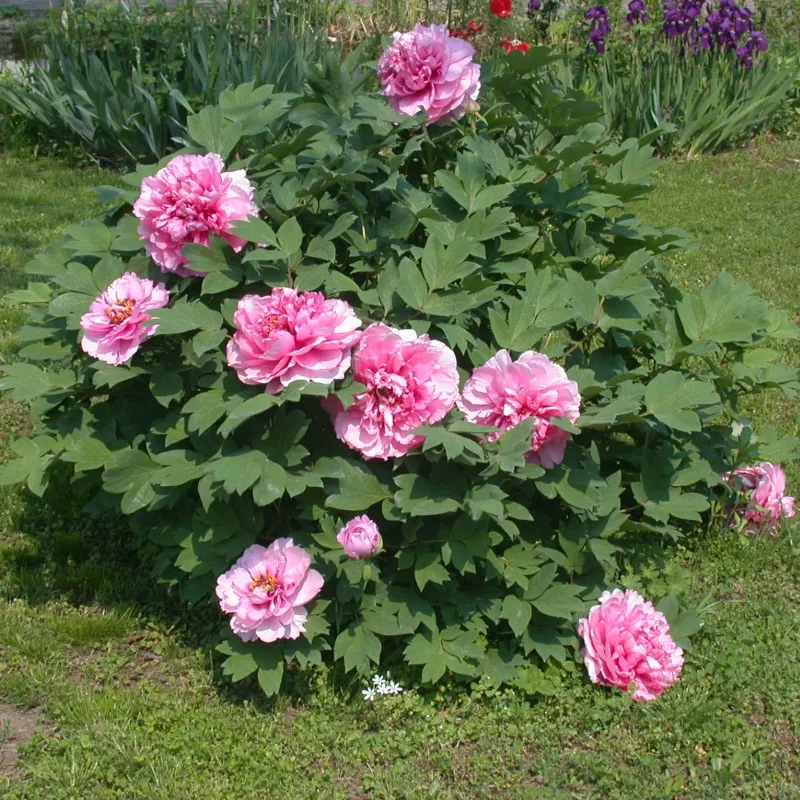
| Care difficulty | 3 / 5 |
|---|---|
| Watering schedule | Water when soil is dry to the touch |
| Sunlight requirements | Full sun |
| Ideal temperature | 15 – 25 °C |
| Soil type | Loam |
| Soil pH | Neutral · Alkaline |
| Soil moisture | Moist but well drained |
| Fertilizing | Apply organic fertilizer before flowering in spring and again in autumn |
| Toxicity | Non-toxic to humans and pets, though ingestion of large quantities of plant material may cause mild digestive upset. |
How to Water Tree peony?
Originating from the dry plateaus of China, tree peony has adapted to thrive with minimal moisture, exhibiting notable drought tolerance. It prefers a watering regimen that allows the soil to dry between sessions, equating to once every 1-2 weeks. Tree peony is an outdoor plant that flourishes in temperate climates and benefits from rainwater during its active growing season, which aligns well with its moderate water needs.
Learn more →What Are the Sunlight Requirements for Tree peony?
Tree peony thrives best in full sunlight conditions, where it can absorb at least six hours of direct sunlight daily. This optimal exposure is crucial for vigorous growth and abundant flowering. However, tree peony also displays a notable tolerance for partial sun, especially in regions with intense midday heat. In such settings, light shade during the harshest sunlight can prevent leaf scorch and fading blooms, thereby sustaining the plant's health and aesthetic appeal. Outdoors, tree peony is best positioned in spaces that balance morning sunlight with afternoon shade, ensuring a blend of exposure that supports its flowering and foliage quality.
Learn more →What Is the Ideal Temperature Range for Tree peony?

Tree peony exhibits notable resilience to temperature fluctuations, tolerating cold down to -20℃ (-4℉) and withstanding heat up to 38℃ (100℉). This adaptability means tree peony can thrive in diverse environments but necessitates protective measures during extreme weather. Cold stress may manifest as leaf damage or bud loss, while heat stress can cause leaf scorch or wilting. To mitigate these issues, insulate tree peony during cold snaps with mulch or burlap and ensure adequate watering and partial shade during heatwaves. Understanding these tolerances aids in optimizing the care regimen and ensuring the plant's health and vitality.
Learn more →What Soil Is Best for Tree peony?
In its natural habitat, tree peony thrives in well-draining loamy soils with a pH range of 6.0-7.5. This balanced pH is crucial for optimal nutrient absorption, ensuring robust growth and vibrant blooms. Tree peony prefers soils rich in organic matter, incorporating components such as well-rotted manure, peat, and compost. A suitable soil mix includes equal parts garden soil, coarse sand, and organic matter. To prevent water-logging, ensure excellent drainage by avoiding dense clay or compacted soil. Enhance growth with balanced, slow-release fertilizers applied in early spring. Regularly check soil pH to maintain the ideal range.
- Soil type
- Loam
- Soil pH
- Neutral · Alkaline
What Are the Moisture Requirements for Tree peony?
Moist but well drained
Learn more →How to Fertilize Tree peony?

To nurture tree peony's growth, employ balanced nutrition fertilizers with equal NPK values. Apply in early spring and after blooming, following manufacturer’s rates, to stimulate vigorous growth and lush blooms. Refrain from over-fertilization; use compost as a gentle, organic option. Adjust fertilizer in response to tree peony's life cycle, with reduced frequency in dormant seasons. Incorporate fertilizer into the soil gently to avoid root burn and ensure even distribution for optimal uptake. A methodical fertilization regimen enhances tree peony's health and flowering prowess.
Learn more →How to Prune Tree peony?

Tree peony is a deciduous shrub known for its large, vibrant blooms and woody stems. Prune in early spring before new growth appears to remove dead, damaged, or diseased wood. Thin out crowded branches to improve air circulation and shape the plant by cutting back to healthy, outward-facing buds. Regular pruning encourages vigorous growth and enhances flowering. Avoid heavy pruning, as tree peony can be sensitive; focus on minimal maintenance to sustain health and aesthetics.
Learn more →How to Propagate Tree peony?

Tree peony, known for its large, colorful blooms, can be propagated through division or grafting, as well as from seeds. Division is preferred, taken during dormancy from established plants, ensuring each division contains 3-5 buds. Grafting onto herbaceous peony rootstocks is commonly practiced to enhance vigor. If starting tree peony from seeds, stratification ensures better germination but requires patience, as seedlings may take several years to flower. Careful handling of roots and buds during these processes is crucial for successful cultivation.
Learn more →How to Transplant Tree peony?
The optimal time for relocating tree peony is the cusp between spring and summer, providing a blend of warm soils and cooler weather for root establishment. Choose a spot with dappled sunlight and well-draining soil, and ensure consistent moisture post-move to encourage acclimation.
Learn more →How to Plant Tree peony?
Indoors-potted: Ensure your tree peony receives bright ambient light indoors to promote healthy foliage and bloom vigor. Outdoors-potted: Outdoor potted tree peony thrive with shelter from harsh winds, which can damage their delicate blossoms. Outdoors-in the ground: When planted in the ground, tree peony appreciate space for root expansion, promoting lush growth and larger blooms.
Learn more →How to Repot Tree peony?
Needs excellent drainage in pots.
Learn more →How to Harvest Tree peony?

Tree peony blooms in early summer. Harvest cut flowers when the buds are mature and will bloom soon. The best time to harvest tree peony is in the morning after dew evaporates, or in the evening. If dewy flowers are cut, the cutting site is prone to pests and diseases. The evening is best because the plant accumulates more carbohydrates at this time. Use clean, sharp gardening scissors to cut the flower. Cut near the base, but leave 1-3 pairs of leaves on the plant to ensure future growth. Remove any ants and aphids from the cut part. Cut the base at 45º, remove 1/3 of the lower leaves from the stem, and soak the harvested stalk in cool, clean water as soon as possible to avoid water loss.
Learn more →Common Pests & Diseases

Diseases
Tree peonies can be susceptible to botrytis blight (grey mould), especially in wet springs, and leaf blotch caused by the fungus Alternaria. Ensure good air circulation and avoid overhead watering to reduce disease pressure.
Pests
Common pests include aphids, scale insects, and red spider mites. Regular inspection and, if necessary, treatment with horticultural oil or insecticidal soap can keep infestations under control.
Explore the plant health library →The Toxicity of Tree peony
Non-toxic to humans and pets, though ingestion of large quantities of plant material may cause mild digestive upset.