



Planting and Growing Rose

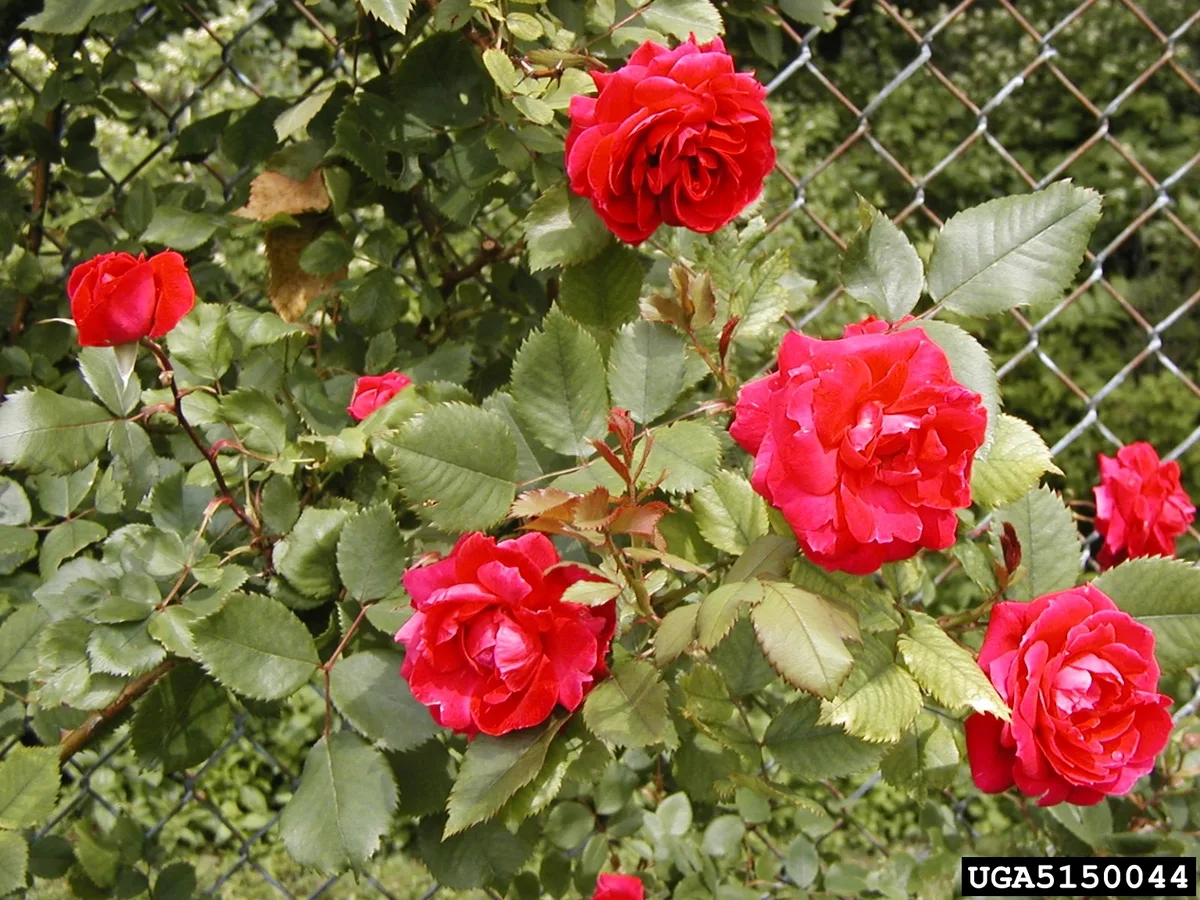
| Care difficulty | 3 / 5 |
|---|---|
| Watering schedule | Deep water, keep soil moist |
| Sunlight requirements | Full sun |
| Ideal temperature | 15 – 25 °C |
| Soil type | Loam · Chalk · Clay |
| Soil pH | Neutral · Acid |
| Soil moisture | Moist but well drained |
| Fertilizing | Monthly in growing season |
| Toxicity | Roses are non-toxic to humans and pets, though the thorns can cause physical injury. |
How to Water Rose?
Deep water, keep soil moist
Learn more →What Are the Sunlight Requirements for Rose?
Full sun
Learn more →What Is the Ideal Temperature Range for Rose?

15 – 25 °C
Learn more →What Soil Is Best for Rose?
- Soil type
- Loam · Chalk · Clay
- Soil pH
- Neutral · Acid
What Are the Moisture Requirements for Rose?
Moist but well drained
Learn more →How to Fertilize Rose?

Monthly in growing season
Learn more →How to Prune Rose?

Prune roses in late winter or early spring when the buds begin to swell. Remove dead, diseased, or crossing branches, and cut back the remaining stems to an outward-facing bud to promote vigorous growth and flowering.
Learn more →How to Propagate Rose?

Roses are commonly propagated by hardwood cuttings taken in late autumn or softwood cuttings in early summer. Dip the cut ends in rooting hormone and insert into a moist, sterile cutting compost. Keep under mist or in a propagator with bottom heat (18–21°C) until roots develop. Grafting onto rootstocks is also used for many hybrid varieties.
Learn more →How to Plant Rose?
Plant roses in a sunny position with at least 6 hours of direct sunlight daily, in fertile, humus-rich, moist but well-drained soil. Water deeply and regularly during dry spells, especially when flowering. Apply a balanced rose fertilizer in early spring and again after the first flush of blooms. Mulch with well-rotted manure or compost in late autumn to protect roots from frost. Avoid overhead watering to reduce foliar diseases.
Learn more →Common Pests & Diseases

Diseases
Roses are susceptible to black spot, powdery mildew, and rust, especially in humid conditions. Choose disease-resistant cultivars and ensure good air circulation to minimize problems.
Pests
Common pests include aphids, spider mites, thrips, and rose sawfly larvae. Regular monitoring and appropriate treatments (e.g., insecticidal soap) can control infestations.
Explore the plant health library →The Toxicity of Rose
Roses are non-toxic to humans and pets, though the thorns can cause physical injury.