
Rose
Also known as: Rose, Garden Rose, Shrub Rose
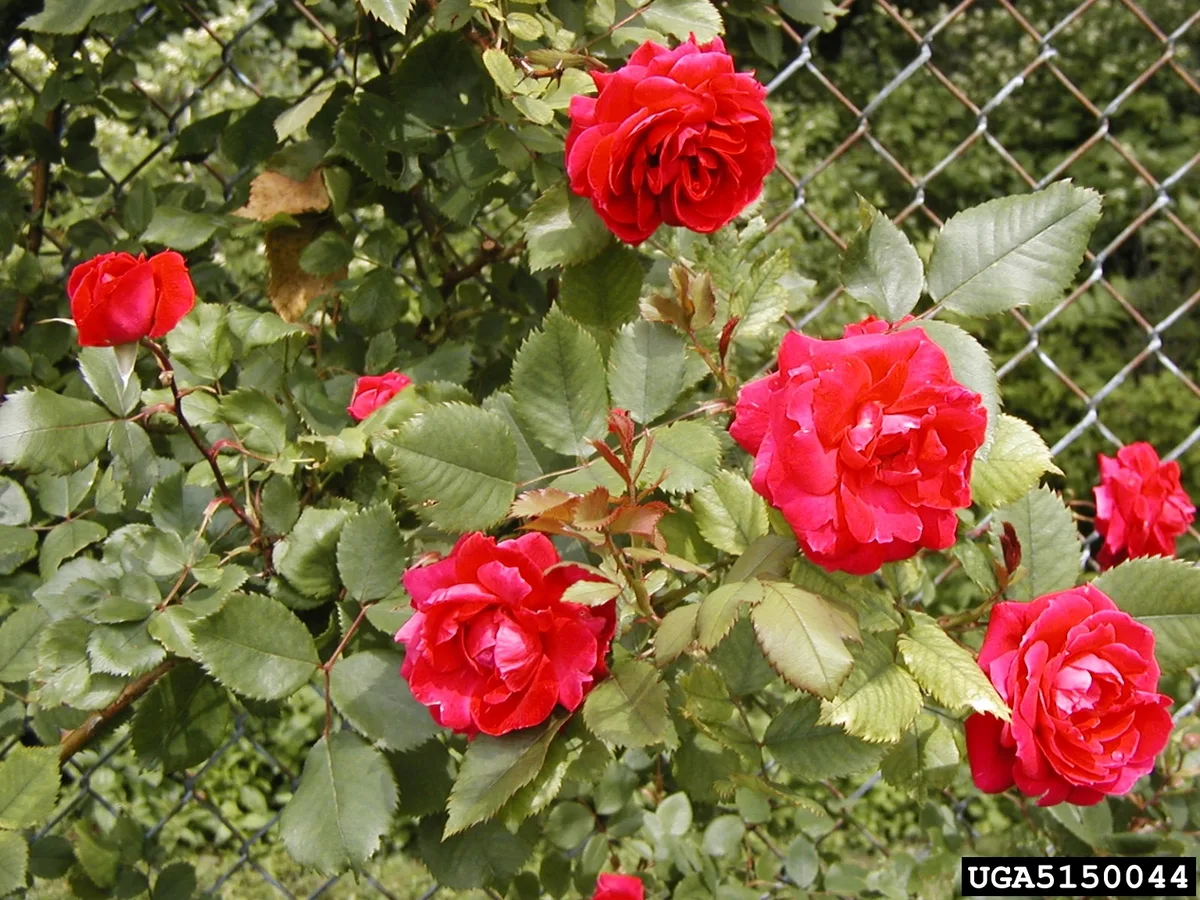
Roses are woody perennials with thorny stems, compound leaves, and showy flowers ranging from single to double petals in a wide array of colors including red, pink, yellow, white, and orange. They typically grow as bushy shrubs or climbers, reaching 1–2 meters in height depending on the cultivar. The flowers are often fragrant and bloom repeatedly from late spring through autumn, providing long-lasting ornamental value in gardens.
Scientific classification
- Species
- Rose (Rosa spp.)
- Genus
- Rosa
- Family
- Rosaceae
- Roses are non-toxic to humans and pets, though the thorns can cause physical injury.
- Toxicity
- Roses · Shrubs · Herbaceous Perennial
- Plant type
- 1.2 - 2.0 metres
- Height
- 0.9 - 1.5 metres
- Spread
- Deciduous
- Foliage
- Bushy
- Habit
- Spring · Summer · Autumn
- Season of interest
- Full sun
- Sunlight
- 15 – 25 °C
- Ideal temperature









Rose pictures
Distribution of Rose
Distribution map
Temperate regions of Europe, Asia, and North America
Information to be completed
Culture
Information to be completed
Toxicity
Roses are non-toxic to humans and pets, though the thorns can cause physical injury.
Quick identification of Rose
Information to be completed
Rose care guide
- Deep water, keep soil moist
- Watering
- Full sun
- Sunlight
- 15 – 25 °C
- Ideal temperature

Watering
Deep water, keep soil moist
Fertilizing
 Fertilizing
Monthly in growing season
Pruning
 Pruning
Prune roses in late winter or early spring when the buds begin to swell. Remove dead, diseased, or crossing branches, and cut back the remaining stems to an outward-facing bud to promote vigorous growth and flowering.
Propagation
 Propagation
Roses are commonly propagated by hardwood cuttings taken in late autumn or softwood cuttings in early summer. Dip the cut ends in rooting hormone and insert into a moist, sterile cutting compost. Keep under mist or in a propagator with bottom heat (18–21°C) until roots develop. Grafting onto rootstocks is also used for many hybrid varieties.
Growing
 Growing
Plant roses in a sunny position with at least 6 hours of direct sunlight daily, in fertile, humus-rich, moist but well-drained soil. Water deeply and regularly during dry spells, especially when flowering. Apply a balanced rose fertilizer in early spring and again after the first flush of blooms. Mulch with well-rotted manure or compost in late autumn to protect roots from frost. Avoid overhead watering to reduce foliar diseases.
People also ask
Information to be completed
Common pests and diseases
Diseases
Roses are susceptible to black spot, powdery mildew, and rust, especially in humid conditions. Choose disease-resistant cultivars and ensure good air circulation to minimize problems.
Pests
Common pests include aphids, spider mites, thrips, and rose sawfly larvae. Regular monitoring and appropriate treatments (e.g., insecticidal soap) can control infestations.
Explore the plant health library →




