



Planting and Growing Green Chiretta

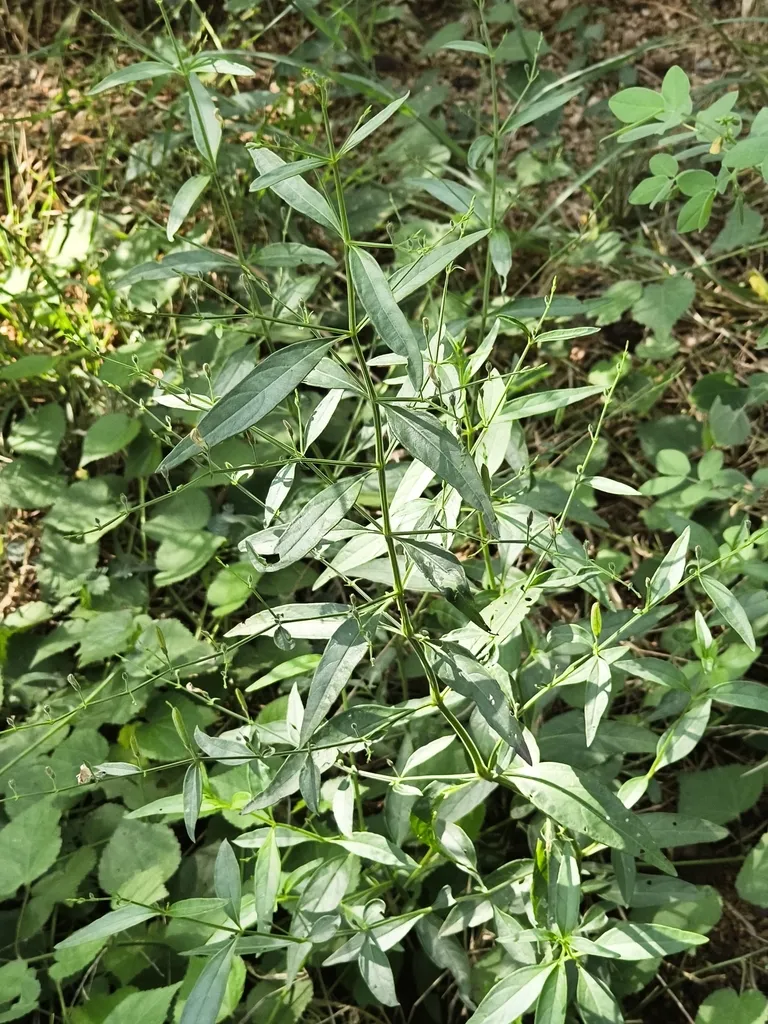
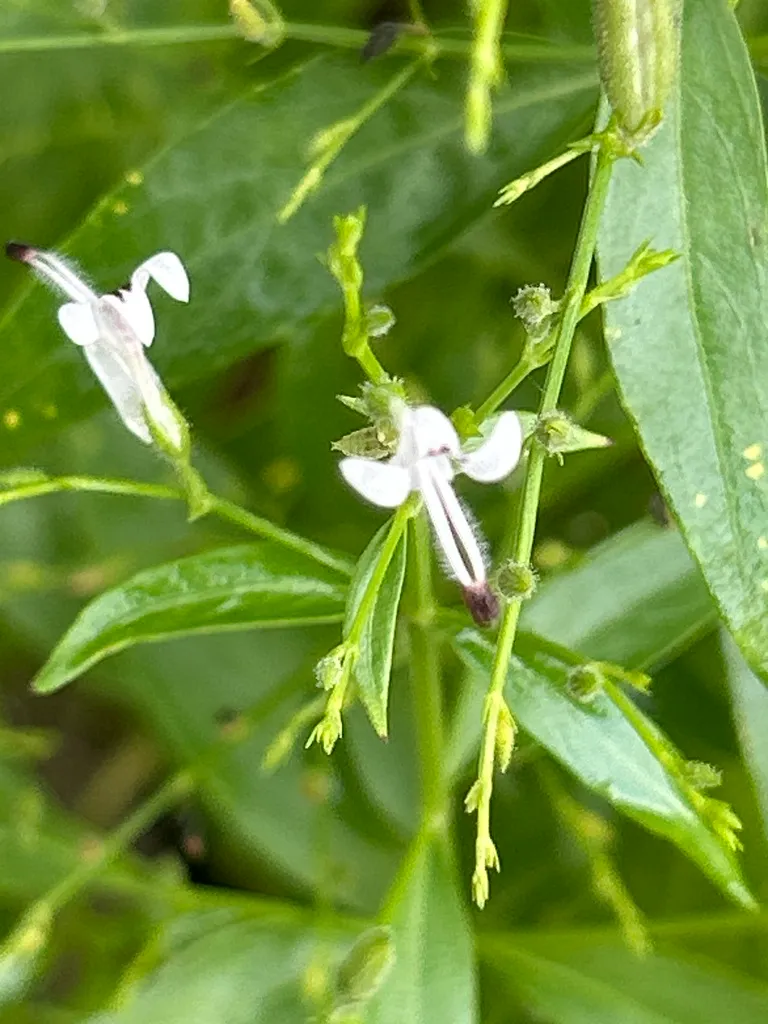
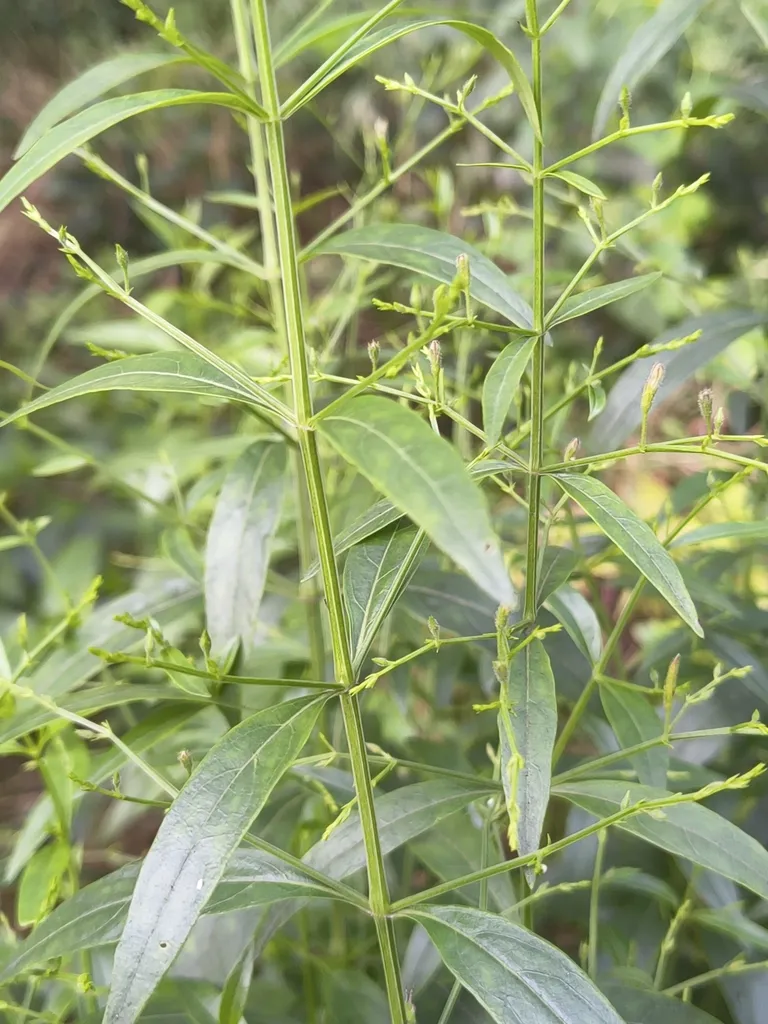
| Care difficulty | 3 / 5 |
|---|---|
| Watering schedule | Keep soil moist, but not waterlogged |
| Sunlight requirements | Full sun · Partial shade |
| Ideal temperature | Information to be completed |
| Soil type | Loam · Sand |
| Soil pH | Neutral · Acid |
| Soil moisture | Moist but well drained |
| Fertilizing | Monthly during growing season |
| Toxicity | Non-toxic; generally safe for humans and pets when used appropriately, though bitter taste may cause mild digestive upset if consumed in large quantities. |
How to Water Green Chiretta?
Keep soil moist, but not waterlogged
Learn more →What Are the Sunlight Requirements for Green Chiretta?
Full sun · Partial shade
Learn more →What Is the Ideal Temperature Range for Green Chiretta?

Information to be completed
Learn more →What Soil Is Best for Green Chiretta?
- Soil type
- Loam · Sand
- Soil pH
- Neutral · Acid
What Are the Moisture Requirements for Green Chiretta?
Moist but well drained
Learn more →How to Fertilize Green Chiretta?

Monthly during growing season
Learn more →How to Prune Green Chiretta?

Pinch out the growing tips when plants are 15–20 cm tall to encourage bushier growth. Remove spent flower spikes to extend the flowering period and prevent self-seeding if not desired.
Learn more →How to Propagate Green Chiretta?

Sow seeds in spring at 20–25°C, either directly outdoors after frost risk has passed or indoors in seed trays. Germination usually occurs within 1–2 weeks. Alternatively, take softwood cuttings in summer; root in a propagator with bottom heat at 18–21°C. Seeds can also be collected from mature capsules in autumn.
Learn more →How to Transplant Green Chiretta?
Information to be completed
Learn more →How to Care for Green Chiretta in Winter?

Information to be completed
Learn more →How to Plant Green Chiretta?
Grow in full sun to partial shade in moist but well-drained soil. Tolerant of a range of soil types but prefers loam or sandy loam with neutral to acidic pH. Water regularly to keep the soil evenly moist, especially during dry spells; avoid waterlogging. Apply a balanced liquid fertilizer every 2–3 weeks during the growing season. In cool temperate regions, treat as an annual or overwinter indoors in a frost-free greenhouse. Mulch around the base to retain moisture and suppress weeds.
Learn more →How to Repot Green Chiretta?
Information to be completed
Learn more →How to Harvest Green Chiretta?

Information to be completed
Learn more →Common Pests & Diseases

Diseases
Susceptible to root rot and damping-off in poorly drained soils. Powdery mildew may occur in humid conditions with poor air circulation.
Pests
Common pests include aphids, spider mites, and whiteflies, especially in indoor or greenhouse cultivation.
Explore the plant health library →The Toxicity of Green Chiretta
Non-toxic; generally safe for humans and pets when used appropriately, though bitter taste may cause mild digestive upset if consumed in large quantities.