
Green Chiretta
Also known as: Green Chiretta, King of Bitters, Kalmegh
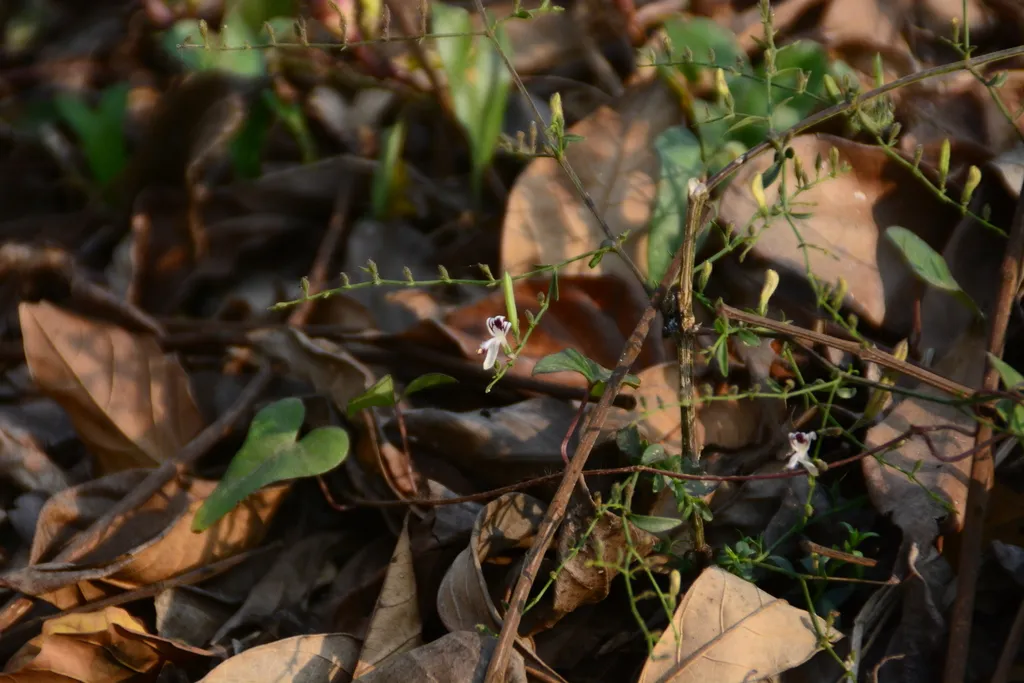
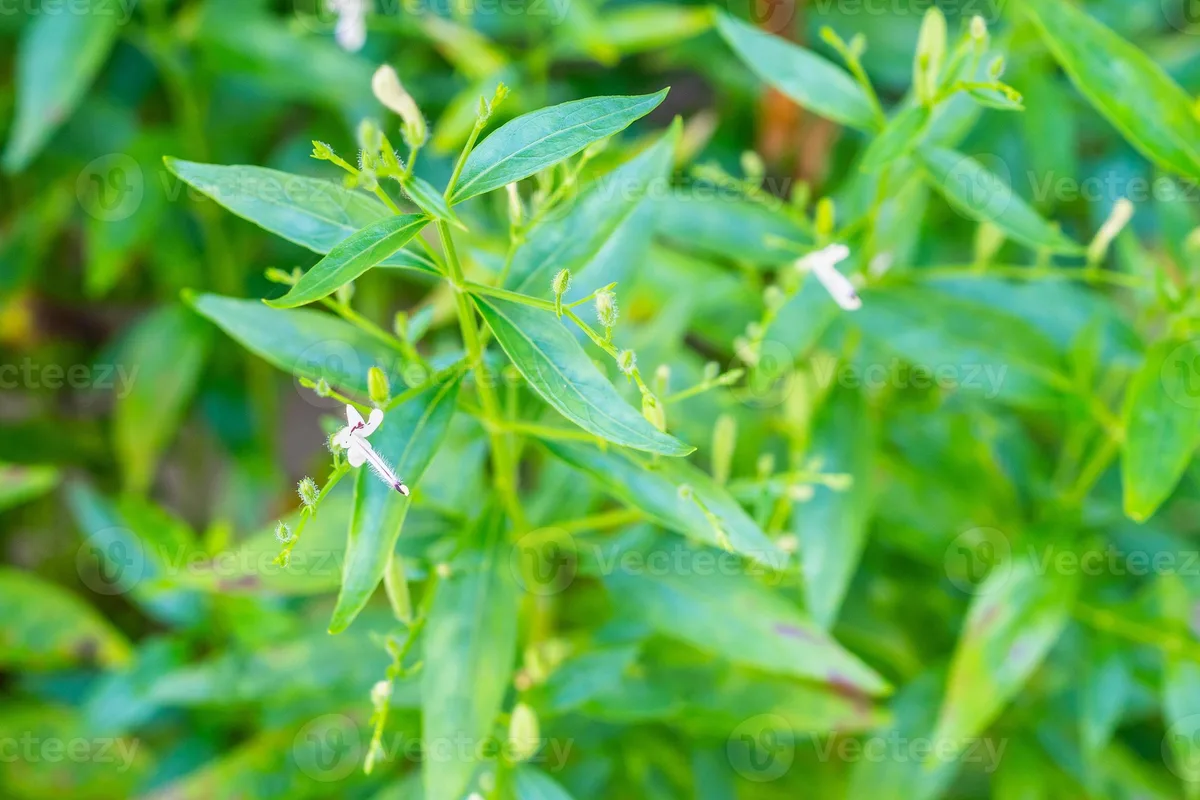
Andrographis paniculata is an erect annual or short-lived perennial herb, typically reaching 0.3–1 m in height. The stems are quadrangular, with opposite, lanceolate leaves that are entire and glabrous. Small, white to pale pink flowers with purple spots are borne in lax terminal racemes. The fruit is a small capsule containing numerous seeds. This plant is widely cultivated for its medicinal properties, especially in traditional Asian medicine, and has a bitter taste. Its upright, bushy habit and persistent green foliage make it an interesting foliage plant.
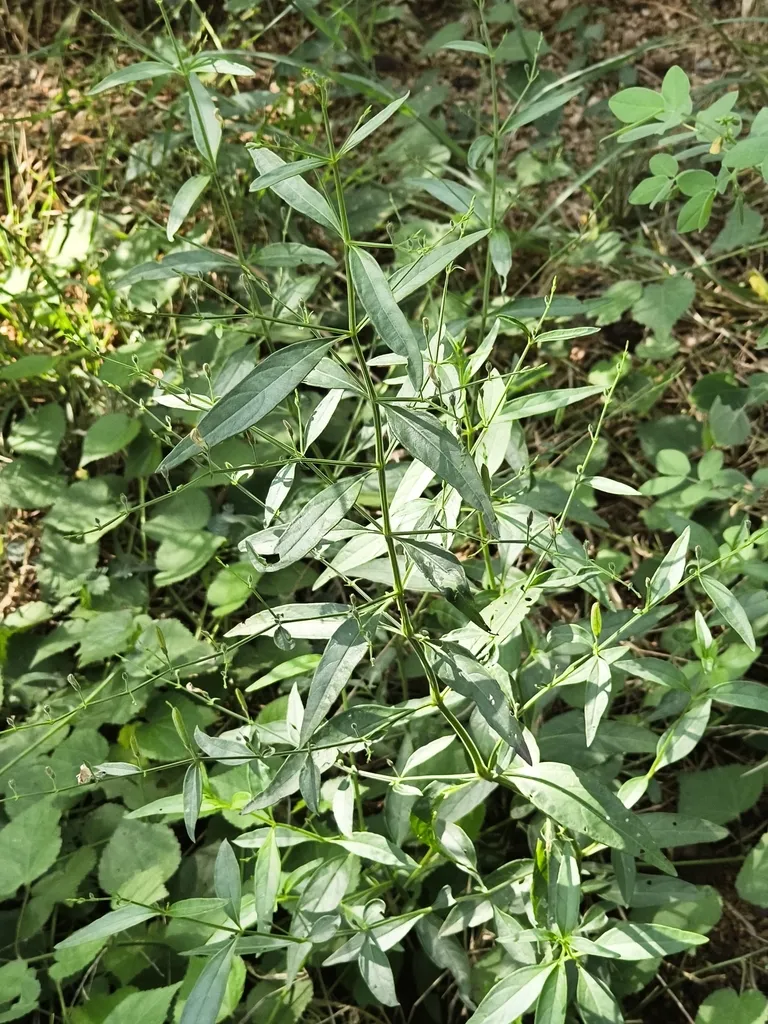
Scientific classification
- Species
- Green Chiretta (Andrographis paniculata)
- Genus
- Andrographis
- Family
- Acanthaceae
- Non-toxic; generally safe for humans and pets when used appropriately, though bitter taste may cause mild digestive upset if consumed in large quantities.
- Toxicity
- Herbaceous Perennial · Herbs - Culinary
- Plant type
- 0.3 - 1 metres
- Height
- 0.3 - 0.5 metres
- Spread
- Deciduous
- Foliage
- Upright · Bushy
- Habit
- Summer
- Season of interest
- Full sun · Partial shade
- Sunlight
- Information to be completed
- Ideal temperature









Green Chiretta pictures
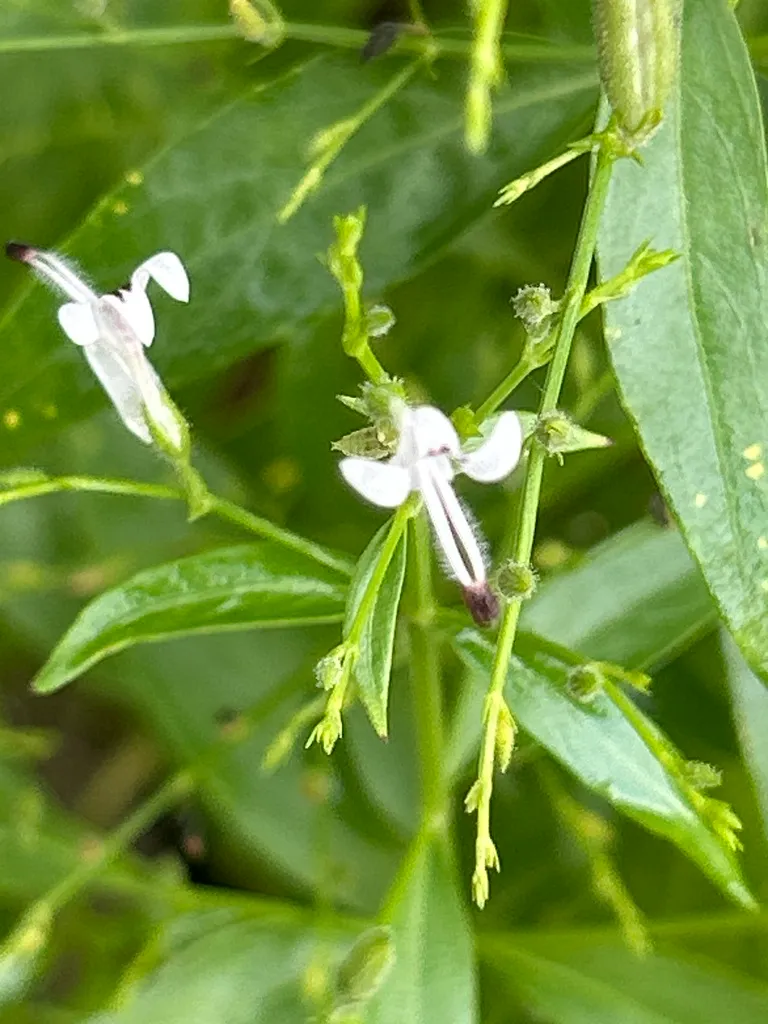
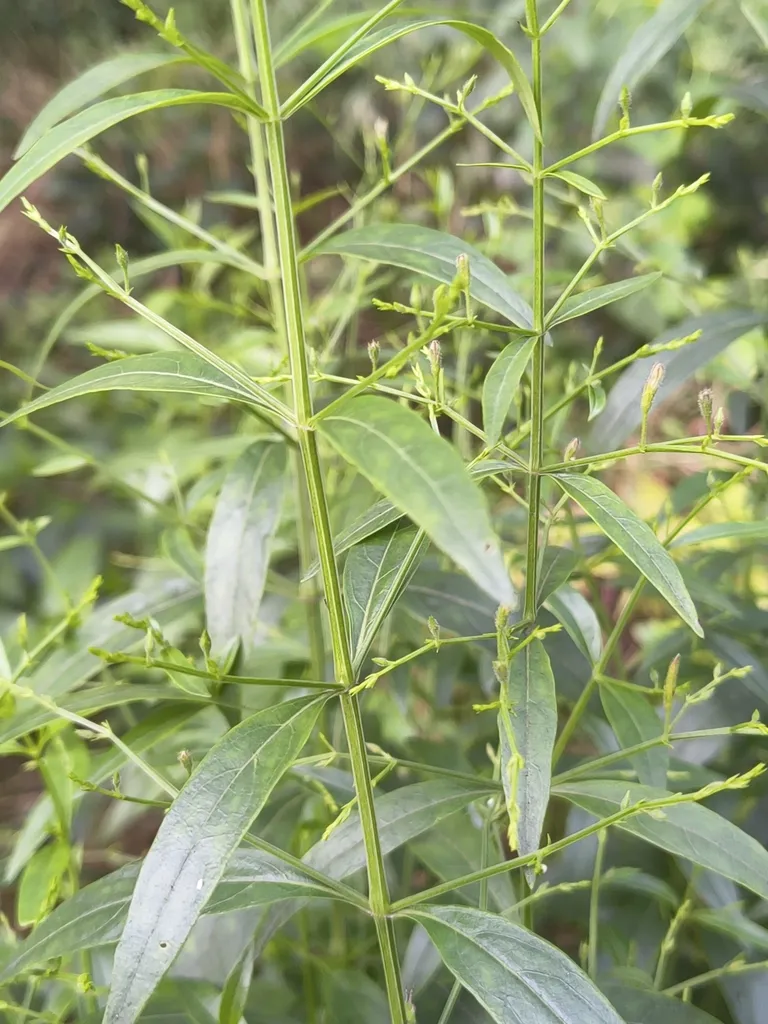
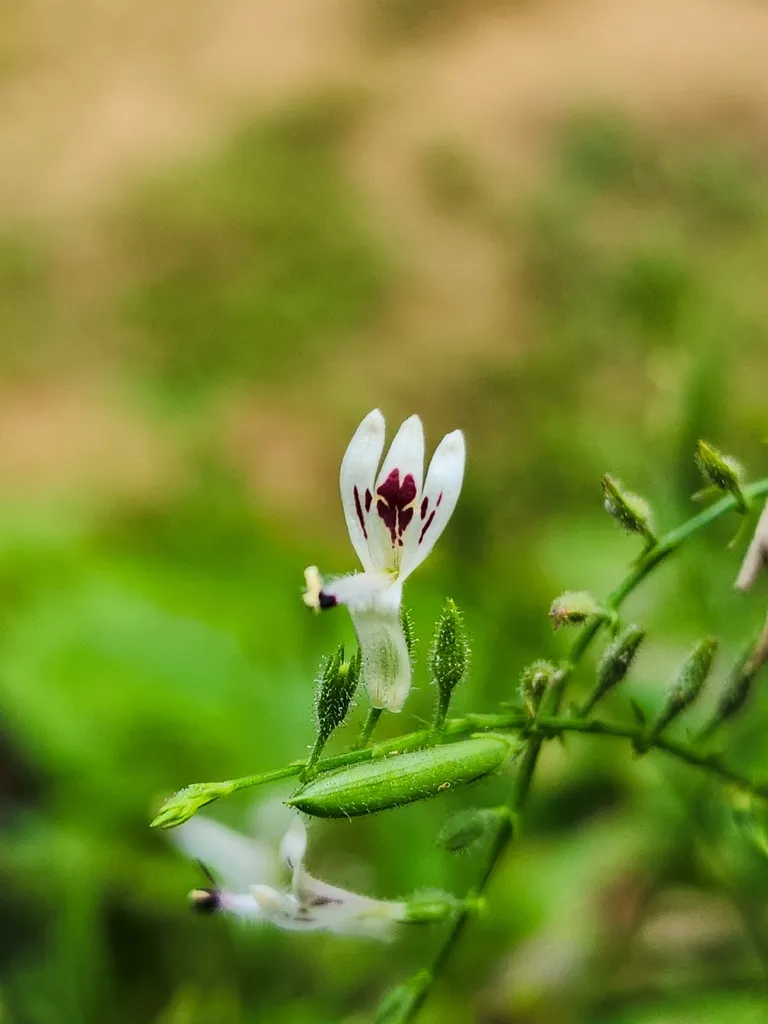
Distribution of Green Chiretta
Distribution map
Indian subcontinent, Myanmar, Thailand, Malaysia, Indonesia, and southern China
Information to be completed
Culture
Information to be completed
Toxicity
Non-toxic; generally safe for humans and pets when used appropriately, though bitter taste may cause mild digestive upset if consumed in large quantities.
Quick identification of Green Chiretta
Information to be completed
Green Chiretta care guide
- Keep soil moist, but not waterlogged
- Watering
- Full sun · Partial shade
- Sunlight
- Information to be completed
- Ideal temperature

Watering
Keep soil moist, but not waterlogged
Fertilizing
 Fertilizing
Monthly during growing season
Pruning
 Pruning
Pinch out the growing tips when plants are 15–20 cm tall to encourage bushier growth. Remove spent flower spikes to extend the flowering period and prevent self-seeding if not desired.
Propagation
 Propagation
Sow seeds in spring at 20–25°C, either directly outdoors after frost risk has passed or indoors in seed trays. Germination usually occurs within 1–2 weeks. Alternatively, take softwood cuttings in summer; root in a propagator with bottom heat at 18–21°C. Seeds can also be collected from mature capsules in autumn.
Growing
 Growing
Grow in full sun to partial shade in moist but well-drained soil. Tolerant of a range of soil types but prefers loam or sandy loam with neutral to acidic pH. Water regularly to keep the soil evenly moist, especially during dry spells; avoid waterlogging. Apply a balanced liquid fertilizer every 2–3 weeks during the growing season. In cool temperate regions, treat as an annual or overwinter indoors in a frost-free greenhouse. Mulch around the base to retain moisture and suppress weeds.
People also ask
Information to be completed
Common pests and diseases
Diseases
Susceptible to root rot and damping-off in poorly drained soils. Powdery mildew may occur in humid conditions with poor air circulation.
Pests
Common pests include aphids, spider mites, and whiteflies, especially in indoor or greenhouse cultivation.
Explore the plant health library →




