



Planting and Growing Common Persimmon

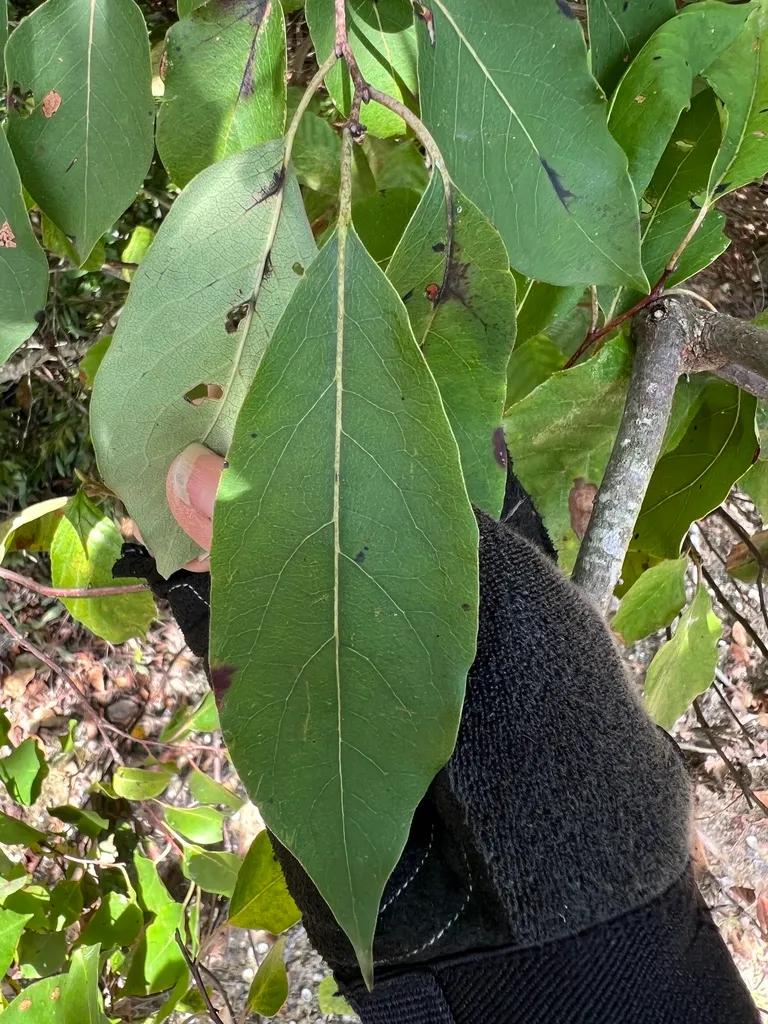
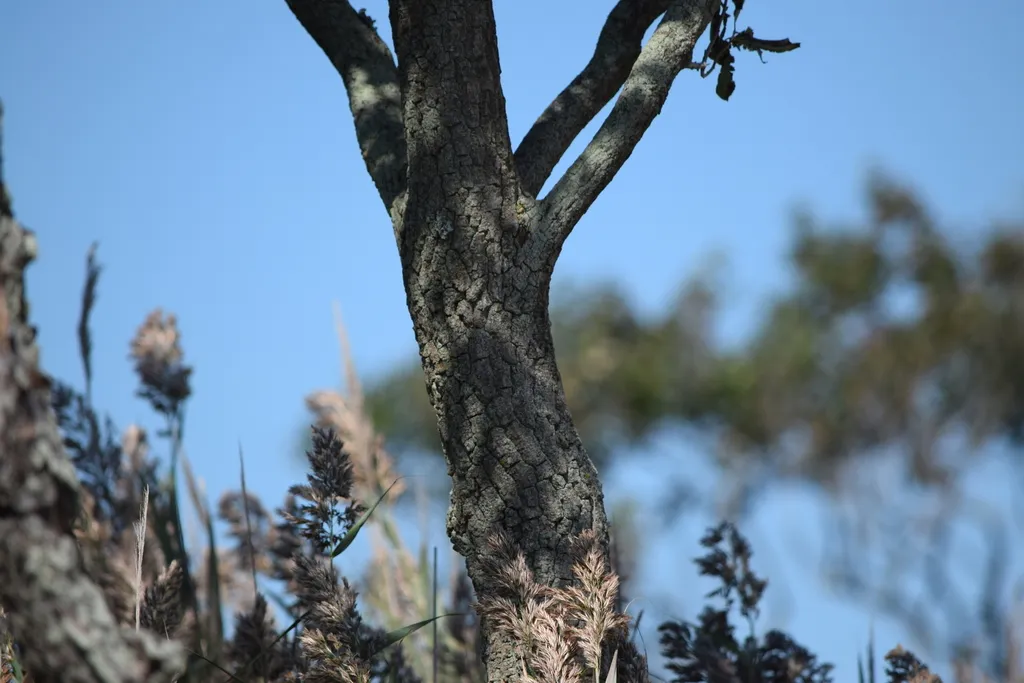
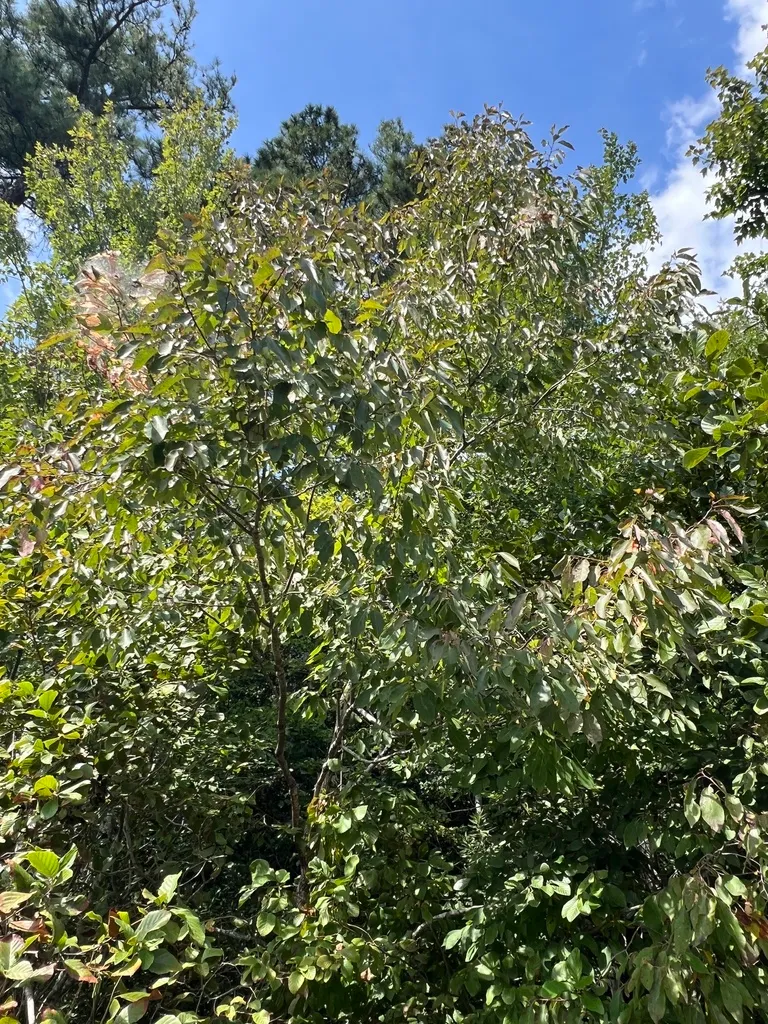
| Care difficulty | 2 / 5 |
|---|---|
| Watering schedule | Water regularly during first year, then drought-tolerant |
| Sunlight requirements | Full sun |
| Ideal temperature | Information to be completed |
| Soil type | Loam · Sand · Clay |
| Soil pH | Acid · Neutral |
| Soil moisture | Moist but well drained · Well-drained |
| Fertilizing | Fertilize in early spring with a balanced formula |
| Toxicity | Non-toxic. The fruit is edible, but unripe fruits contain tannins that can be astringent and cause mouth irritation. |
How to Water Common Persimmon?
Water regularly during first year, then drought-tolerant
Learn more →What Are the Sunlight Requirements for Common Persimmon?
Full sun
Learn more →What Soil Is Best for Common Persimmon?
- Soil type
- Loam · Sand · Clay
- Soil pH
- Acid · Neutral
What Are the Moisture Requirements for Common Persimmon?
Moist but well drained · Well-drained
Learn more →How to Fertilize Common Persimmon?

Fertilize in early spring with a balanced formula
Learn more →How to Prune Common Persimmon?

Prune in late winter or early spring when the tree is dormant. Remove crossing, weak, or damaged branches to maintain an open crown and improve fruit production.
Learn more →How to Propagate Common Persimmon?

Propagate by seed (stratify for 60–90 days at 4°C) or by grafting onto seedling rootstocks in late winter. Cuttings are difficult to root; softwood cuttings under mist may have limited success. For consistent fruit quality, grafted cultivars are recommended.
Learn more →How to Plant Common Persimmon?
Plant in full sun with well-drained soil; it tolerates various soil types including clay and sand. Water regularly during establishment, but once mature it is very drought-tolerant. Apply a balanced fertilizer in early spring. It is hardy to about -25°C, though late frosts may damage flowers. Mulch around the base to retain moisture and suppress weeds. Avoid planting in low-lying frost pockets.
Learn more →Common Pests & Diseases

Diseases
Generally resistant to major diseases, but may be affected by leaf spot (Cercospora, Phyllosticta), powdery mildew, and crown gall in poorly drained soils.
Pests
Susceptible to scale insects, aphids, and persimmon psyllid. Deer may browse young shoots.
Explore the plant health library →The Toxicity of Common Persimmon
Non-toxic. The fruit is edible, but unripe fruits contain tannins that can be astringent and cause mouth irritation.